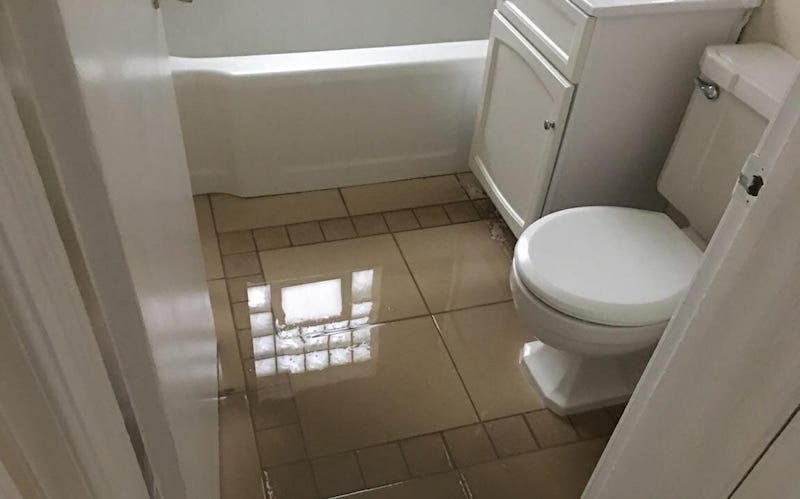

Experiencing a bathroom leak from upstairs can be a daunting issue for homeowners. This type of problem not only causes inconvenience but can also lead to significant damage if not addressed promptly. In this article, we will explore the causes, effects, and solutions to tackle this issue effectively. By understanding the root of the problem, you can take the necessary steps to protect your home and maintain its value.
Understanding the Causes of Bathroom Leaks
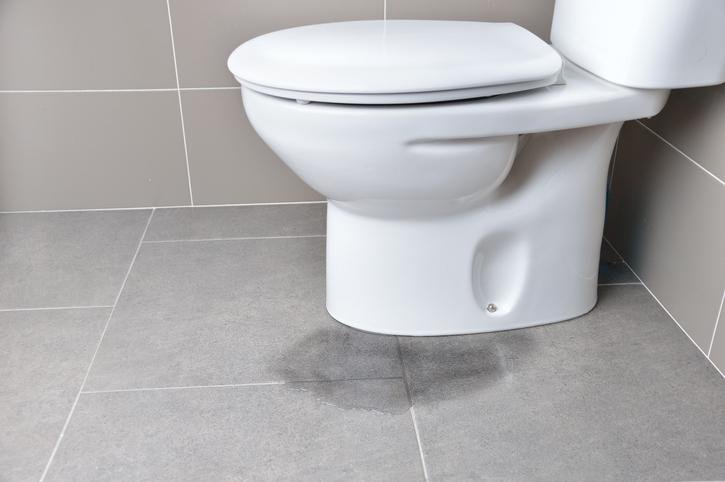
There are several reasons why a bathroom leak from upstairs might occur. Identifying the cause is the first step towards finding a solution. Some common causes include:
Faulty Plumbing
Plumbing issues are often the primary cause of leaks. This could be due to worn-out or incorrectly installed pipes, which can lead to water seeping through the ceiling.
Damaged Seals and Grout
Over time, the seals around your bathtub, shower, or sink can degrade, allowing water to escape and cause damage.
Structural Issues
In some cases, the problem might be structural. For example, if the floor or walls are not adequately waterproofed, water can easily penetrate these surfaces.
Identifying the Signs of a Bathroom Leak
Recognizing the signs of a bathroom leak from upstairs can help you address the problem before it escalates. Look for the following indicators:
Water Stains
Water stains on the ceiling or walls are a clear sign of a leak. These stains often appear as discolored patches.
Peeling Paint or Wallpaper
Moisture can cause paint or wallpaper to peel away from the wall, indicating a potential leak.
Mold and Mildew
Mold and mildew thrive in damp environments. If you notice a musty smell or see visible growth, it might be due to a leak.
Steps to Take When You Find a Leak
Upon discovering a bathroom leak from upstairs, it’s essential to act quickly. Here are some steps to consider:
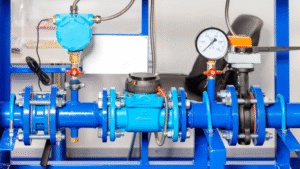
Shut Off the Water Supply
Immediately turn off the water supply to prevent further damage. This will help contain the leak and minimize water exposure.
Assess the Damage
Carefully inspect the affected area to determine the extent of the damage. This will help you decide whether you can fix the issue yourself or if professional help is needed.
Contact a Professional
If the leak is extensive or if you’re unsure about the cause, it’s best to contact a plumber. They can accurately diagnose and repair the issue.
Preventive Measures
Preventing a bathroom leak from upstairs requires regular maintenance and inspections. Here are some tips to help you avoid future leaks:
Regular Inspections
Regularly inspect your bathroom for any signs of wear and tear. This includes checking the seals, grout, and plumbing fixtures.
Timely Repairs
Address minor issues promptly to prevent them from becoming major problems. This includes fixing leaky faucets, replacing worn-out seals, and repairing damaged grout.
Upgrade Your Plumbing
Consider upgrading old plumbing fixtures to more modern, efficient options. This can help reduce the risk of leaks and improve your bathroom’s overall performance.
Conclusion
A bathroom leak from upstairs can lead to significant damage if not addressed promptly. By understanding the causes and taking preventive measures, you can protect your home from costly repairs. Regular maintenance and inspections are key to keeping your bathroom in top condition. If you suspect a leak, it’s crucial to act quickly to minimize damage and ensure your home’s integrity remains intact.
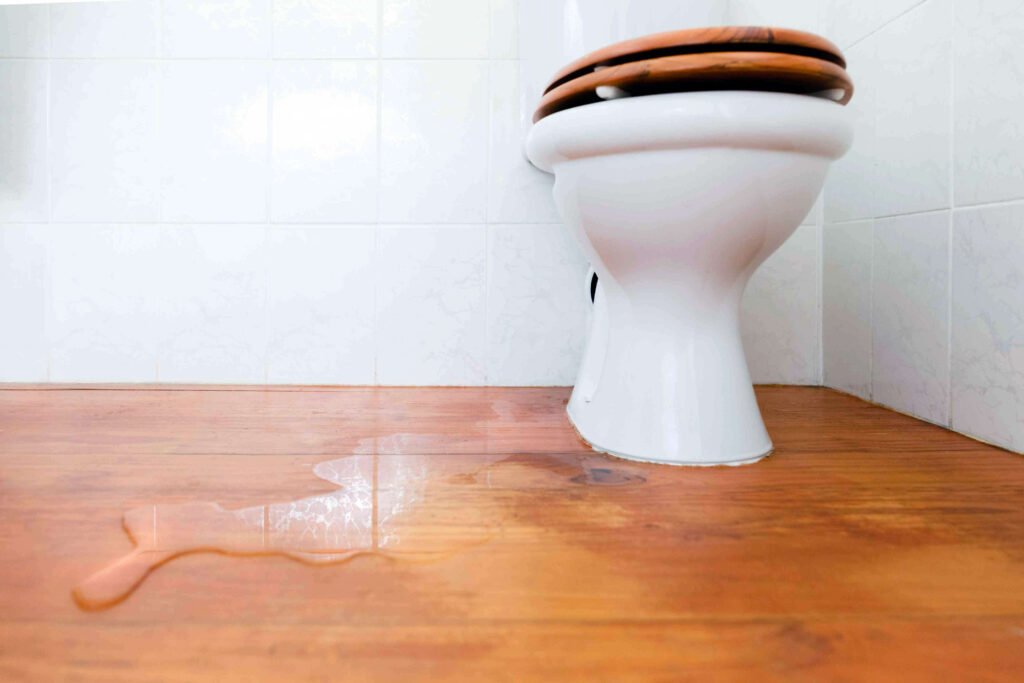
FAQs
What are the most common signs of a bathroom leak?
Common signs include water stains, peeling paint or wallpaper, and mold or mildew growth.
How can I prevent a bathroom leak from upstairs?
Regular maintenance, timely repairs, and upgrading plumbing fixtures can help prevent leaks.
When should I call a professional plumber?
If you’re unsure about the cause of the leak or if it’s extensive, it’s best to contact a professional plumber.
This article contains affiliate links. We may earn a commission at no extra cost to you.