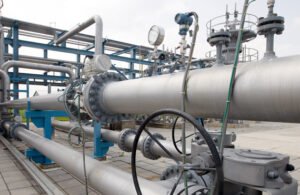
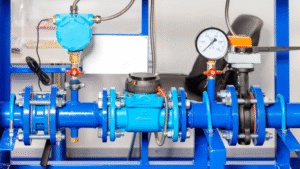
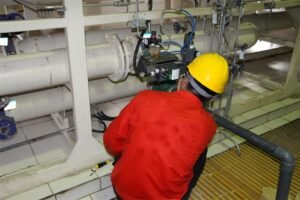
The advent of Artificial Intelligence (AI) has revolutionized various industries, offering innovative solutions to age-old problems. One such problem is the detection of leaks in water systems, pipelines, and other infrastructure. In this guide, we will explore how to detect leaks with AI and understand its impact on industrial applications.
Detecting leaks effectively is crucial for maintaining infrastructure integrity and preventing costly damages. In the past, leak detection was a manual and often inefficient process. However, with AI-powered technologies, this has changed dramatically. By integrating AI into leak detection systems, industries can achieve higher accuracy, faster response times, and significant cost savings.

The Importance of Leak Detection
Leak detection plays a vital role in safeguarding resources and ensuring the smooth operation of various systems. Water leaks, for example, can lead to wastage of a precious resource, while gas leaks pose safety risks. Early detection is key to minimizing these issues.
Challenges in Traditional Leak Detection
Traditional methods of leak detection often involve manual inspections and the use of basic tools. These methods are time-consuming and may not always be accurate. Moreover, they require skilled personnel to identify leaks, which can be costly and inefficient.
How AI Enhances Leak Detection
AI technology enhances leak detection by utilizing advanced algorithms and machine learning techniques. These technologies can analyze vast amounts of data to identify patterns and anomalies that may indicate a leak.
Machine Learning in Leak Detection
Machine learning algorithms are capable of learning from data and improving their performance over time. In leak detection, these algorithms can be trained to recognize the signatures of leaks in various environments, making them more efficient and accurate than traditional methods.
IoT Sensors and Data Collection
The integration of IoT sensors with AI systems allows for real-time data collection and analysis. These sensors can be placed throughout a system to monitor conditions continuously. The data collected is then analyzed by AI algorithms to detect any irregularities.
Applications of AI in Leak Detection
AI-powered leak detection systems are used in a variety of industries, including water management, oil and gas, and manufacturing. Each application has its unique requirements and challenges, but the benefits of AI remain consistent across the board.
Water Management
In water management, AI systems can monitor pipelines and distribution networks for leaks. This ensures that water is used efficiently and reduces the risk of contamination.
Oil and Gas Industry
The oil and gas industry relies heavily on maintaining the integrity of pipelines. AI systems can detect leaks quickly, minimizing environmental impact and financial losses.
Manufacturing Sector
In manufacturing, leaks can lead to equipment damage and production delays. AI-powered systems provide early detection, allowing for prompt action to be taken.
Advantages of AI in Leak Detection
The integration of AI in leak detection offers numerous advantages. These include increased accuracy, faster detection times, and reduced operational costs. Additionally, AI systems can operate continuously without the need for human intervention.
Cost Savings
By reducing the need for manual inspections and minimizing downtime, AI systems can lead to substantial cost savings for industries. This is particularly beneficial in sectors where leak detection is critical to maintaining operations.
Improved Safety
AI systems can detect leaks that may pose safety risks, such as gas leaks, more efficiently than traditional methods. This ensures that corrective action can be taken promptly, reducing the risk of accidents.
Implementing AI-based Leak Detection Systems
Implementing an AI-based leak detection system requires careful planning and consideration. Industries must assess their specific needs and choose the appropriate technology to meet those needs.
Choosing the Right Technology
There are various AI technologies available for leak detection, each with its strengths and weaknesses. Industries must evaluate these options to determine which is best suited to their applications.
Integration with Existing Systems
For a seamless transition, new AI systems must be integrated with existing infrastructure. This may require adjustments to current processes and systems to accommodate the new technology.
Future of AI in Leak Detection
The future of AI in leak detection looks promising, with ongoing advancements in technology. As AI systems become more sophisticated, their ability to detect leaks will continue to improve, offering even greater benefits to industries.
Continuous Improvement
AI systems are designed to learn and adapt over time. This means that they will continue to improve their accuracy and efficiency, providing even better results in leak detection.
Expanding Applications
As AI technology evolves, its applications in leak detection will expand to cover more industries and scenarios. This will lead to broader adoption and increased efficiency across various sectors.
Conclusion
In conclusion, how to detect leaks with AI offers significant advantages over traditional methods. By leveraging advanced technologies, industries can improve their leak detection capabilities, resulting in enhanced operational efficiency and cost savings. As AI technology continues to evolve, its applications in leak detection will only become more widespread and effective.
FAQs
How does AI detect leaks?
AI detects leaks by analyzing data from sensors to identify patterns and anomalies indicative of leaks.
What industries benefit from AI leak detection?
Industries such as water management, oil and gas, and manufacturing benefit from AI leak detection.
Can AI systems operate independently?
Yes, AI systems can operate continuously and independently, reducing the need for human intervention.
For more information on how AI is transforming the plumbing industry, check out AI in the Plumbing Industry.
Learn more about the components of a smart water valve by visiting Smart Water Valve and explore how DripX Detects Leaks for even more insights.
This article contains affiliate links. We may earn a commission at no extra cost to you.