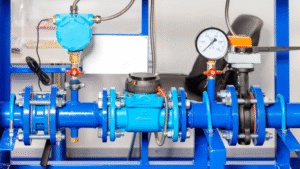
In recent years, the rise of smart home technology has revolutionized the way we manage our household utilities. Among these innovations, the smart water valve stands out as a remarkable advancement. But what’s inside a smart water valve that makes it so essential for modern homes and industries? This article delves into the intricate components and functionalities of a smart water valve, providing insight into how it optimizes water management and enhances safety.

The Core of a Smart Water Valve
At the heart of every smart water valve is a combination of sensors, actuators, and communication modules. These elements work in harmony to offer precise control over water flow, detect leaks, and enable remote management. Understanding these components helps us appreciate how smart water valves have become indispensable tools for industrial engineers and homeowners alike.
1. Sensors: The Eyes and Ears
Sensors are the primary components that enable a smart water valve to monitor and respond to changes in the water system. These sensors detect parameters such as water pressure, flow rate, and temperature. By gathering real-time data, the valve can swiftly identify anomalies, such as sudden pressure drops or flow changes, which may indicate leaks or blockages.
2. Actuators: The Hands of the System
Actuators are responsible for physically adjusting the valve’s position to regulate water flow. When the sensors detect an issue, the actuators spring into action, closing the valve to prevent water damage or opening it to restore normal flow. This automatic response is crucial for preventing costly water-related incidents.
3. Communication Modules: The Brain
Communication modules enable the smart water valve to connect with other devices and systems. These modules use technologies such as Wi-Fi, Bluetooth, and Zigbee to communicate with smart home networks and mobile apps. This connectivity allows users to monitor and control the valve remotely, receiving alerts and updates on their smartphones or computers.
Advanced Features of Smart Water Valves
Beyond the core components, smart water valves offer several advanced features that enhance their functionality and user experience. These features are designed to provide users with greater control, convenience, and peace of mind.
4. Leak Detection and Prevention
One of the most valuable features of a smart water valve is its ability to detect and prevent leaks. By continuously monitoring water flow and pressure, the valve can identify even minor leaks and take immediate action to stop them. This helps prevent water damage and reduces water wastage.
5. Remote Control and Automation
With remote control capabilities, users can manage their water systems from anywhere in the world. Whether it’s turning off the water supply during a vacation or adjusting flow settings for optimal efficiency, the convenience of remote control is unparalleled. Additionally, smart water valves can be integrated into home automation systems, allowing for seamless coordination with other smart devices.
6. Energy Efficiency
Smart water valves contribute to energy efficiency by optimizing water usage and preventing wastage. By detecting leaks and regulating flow, these valves help conserve water and reduce utility bills. This is especially important in industrial settings where water consumption can be significant.
The Role of Smart Water Valves in Industrial Applications
While smart water valves are commonly associated with residential use, their impact on industrial applications is equally significant. Industrial engineers rely on these valves to ensure efficient water management in manufacturing processes, agriculture, and other sectors.
7. Manufacturing and Production
In manufacturing, precise water control is essential for maintaining product quality and production efficiency. Smart water valves enable automated control of water supply, reducing the risk of overflows and ensuring consistent water pressure in critical processes.
8. Agricultural Irrigation
In agriculture, smart water valves optimize irrigation systems by delivering water precisely where and when it’s needed. This reduces water waste and ensures crops receive adequate hydration, leading to increased yields and resource conservation.
9. Commercial Buildings
Commercial buildings, such as hotels and office complexes, benefit from smart water valves by enhancing water management. These valves help prevent leaks and ensure that water is used efficiently throughout the premises.
Installation and Maintenance of Smart Water Valves
Installing and maintaining smart water valves requires careful consideration to ensure optimal performance and longevity. Here are some key aspects to keep in mind:
10. Professional Installation
While some homeowners may choose to install smart water valves themselves, professional installation is recommended for optimal results. Trained technicians can ensure proper integration with existing plumbing systems and configure the valve settings for maximum efficiency.
11. Routine Maintenance
Regular maintenance is essential to keep smart water valves functioning optimally. This includes checking for sensor accuracy, updating software, and inspecting the physical components for wear and tear. Maintenance schedules should be followed diligently to prevent potential malfunctions.
The Future of Smart Water Valves
As technology continues to evolve, so too will the capabilities of smart water valves. The future promises even more advanced features and greater integration with other smart home technologies. Here are some trends to watch for:
12. AI and Machine Learning Integration
Future smart water valves may incorporate AI and machine learning algorithms to predict water usage patterns and optimize performance. This could lead to even greater water conservation and efficiency.
13. Enhanced Connectivity
Improved connectivity options will enable seamless integration with a wider range of smart devices and systems. This will enhance the interoperability of smart water valves within the growing ecosystem of connected home technologies.
Conclusion
In conclusion, the question of what’s inside a smart water valve reveals a sophisticated blend of technology and engineering designed to enhance water management and safety. From sensors and actuators to communication modules, each component plays a crucial role in delivering the benefits of smart water valves. As these devices continue to evolve, they will undoubtedly become even more integral to both residential and industrial applications.
For more information on how smart water valves are transforming home plumbing, you can explore this link. If you’re interested in understanding how AI is influencing plumbing, this external resource offers valuable insights.
FAQs
What are the benefits of installing a smart water valve?
Installing a smart water valve offers numerous benefits, including leak detection, remote control, energy efficiency, and improved water management. These advantages contribute to cost savings and enhanced safety.
Can smart water valves be integrated with other smart home devices?
Yes, smart water valves can be integrated with various smart home devices and systems. This integration allows for coordinated automation and control, enhancing the overall functionality of your smart home.
Are smart water valves suitable for industrial applications?
Absolutely, smart water valves are highly suitable for industrial applications. They provide precise water control, leak prevention, and energy efficiency, making them valuable tools for industries such as manufacturing and agriculture.
This article contains affiliate links. We may earn a commission at no extra cost to you.