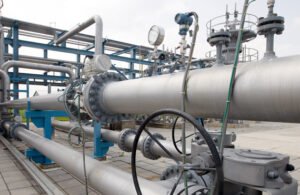
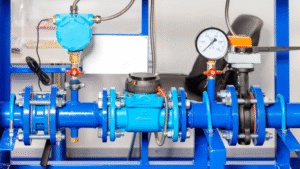
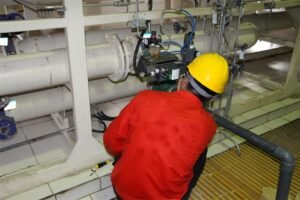
In the world of industrial engineering, maintaining equipment is crucial to ensure safety and efficiency. One of the key components that require regular attention is the Pressure Relief Valve (PRV). Recognizing the signs of worn-out PRV can prevent catastrophic failures and ensure optimal performance in industrial settings.
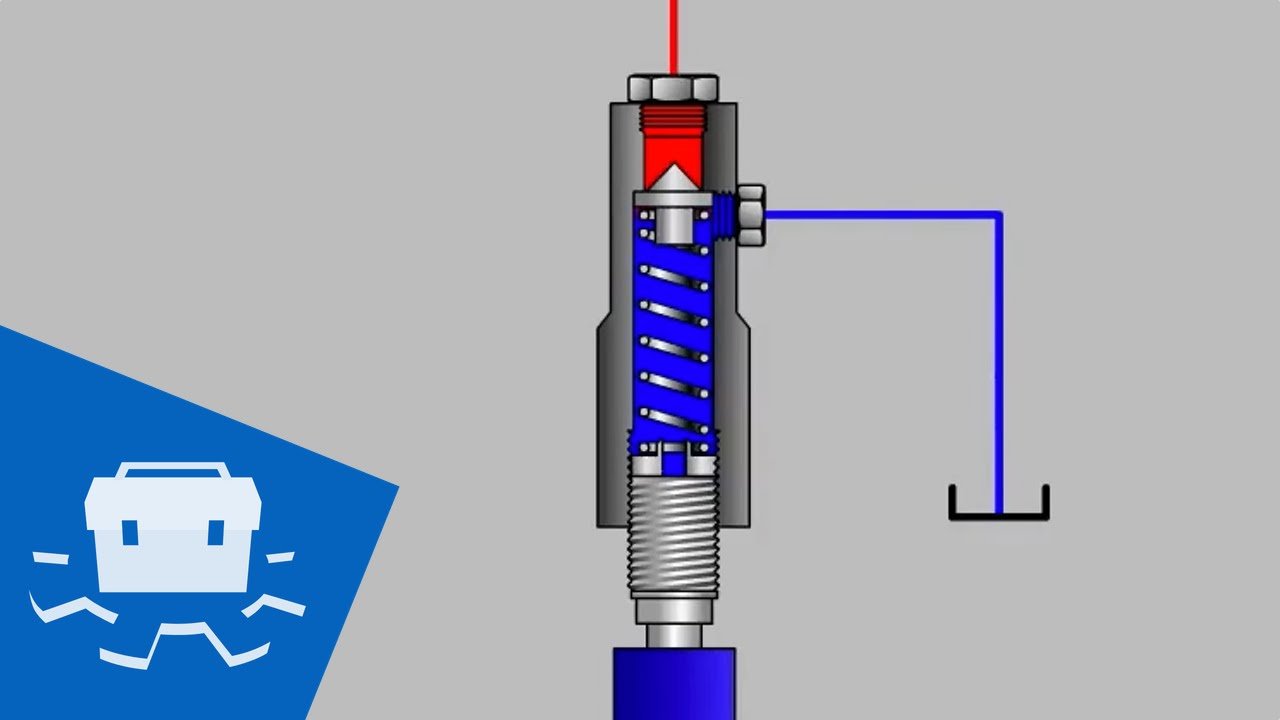
Understanding Pressure Relief Valves (PRVs)
Pressure Relief Valves are essential safety components in industrial systems. They are designed to release excess pressure from equipment, preventing potential hazards and maintaining operational integrity. When these valves wear out, they can lead to dangerous pressure build-ups.
Common Signs of Worn-Out PRV
Identifying a worn-out PRV can be challenging but is crucial for maintaining system safety and efficiency. Here are some of the most common indicators:
1. Leaking Valves
One of the most apparent signs of a worn-out PRV is leakage. If a valve is consistently leaking, it may indicate that the valve’s seal or internal components have degraded. Regular inspection and maintenance can help identify these issues early.
2. Unusual Noises
Another sign of a failing PRV is unusual noises during operation. These sounds can be a warning that the valve is not functioning correctly, possibly due to internal wear or obstruction.
3. Frequent Actuation
If a PRV is frequently actuating, it might be a sign that the valve is worn out or that there is a system pressure issue. Regularly monitoring PRV actuation can help in early detection of problems.
4. Inconsistent Pressure Readings
Inconsistent pressure readings can indicate that a PRV is not maintaining the necessary pressure levels. This inconsistency can be due to wear and tear of the valve’s components.
The Importance of Regular Maintenance
Regular maintenance is essential to ensure PRVs function correctly. Industrial engineers should establish a routine maintenance schedule to inspect and test PRVs regularly. This approach helps in identifying potential issues before they lead to system failures.
Inspection Tips
During inspections, engineers should look for visible damage, listen for unusual noises, and check for leaks. Keeping a detailed record of inspections can also aid in tracking the valve’s performance over time.
When to Replace a PRV
Knowing when to replace a PRV is just as important as identifying the signs of wear. If a valve exhibits multiple signs of wear or has been in service for a long time, it might be time to consider replacement. For more detailed information on the PRV replacement procedure, you can visit the PRV Replacement Procedure page.
Addressing PRV Issues
Repair vs. Replacement
Deciding whether to repair or replace a PRV depends on the extent of the wear and the valve’s age. In some cases, a simple repair might suffice, but in others, replacement is the safer option. Consulting with a professional can help make this decision.
Consulting Professionals
For complex systems, it’s advisable to consult with professionals who specialize in PRV maintenance. They can provide expert guidance on whether a valve should be repaired or replaced. For more insights, you can explore the PRV Design Standards section.
Preventative Measures
Implementing preventative measures can significantly extend the lifespan of PRVs. Regular cleaning, timely inspections, and pressure monitoring are all effective strategies. Additionally, understanding the importance of valve pressure settings can aid in maintaining optimal functionality.
Frequently Asked Questions
1. How often should PRVs be inspected?
PRVs should be inspected regularly, typically every six to twelve months, depending on the system’s demands and the manufacturer’s recommendations.
2. What causes PRVs to wear out?
Several factors can lead to PRV wear, including frequent actuation, corrosion, and exposure to extreme temperatures. Understanding PRV operating temperature limits can help manage these issues.
3. Can a worn-out PRV be repaired?
In some cases, a worn-out PRV can be repaired. However, if the damage is extensive or the valve is old, replacement might be the better option. For additional resources, consider visiting this external guide.
Conclusion
Recognizing the signs of a worn-out PRV is crucial for industrial engineers to maintain safety and efficiency in their operations. Regular maintenance, timely inspection, and understanding when to repair or replace a PRV are essential practices that can prevent costly system failures. By staying informed and proactive, engineers can ensure their systems continue to operate smoothly.
This article contains affiliate links. We may earn a commission at no extra cost to you.