In the realm of industrial engineering, the concept of relief valve lag time is a critical yet often overlooked aspect of pressure systems. The relief valve lag time refers to the delay between the moment a system reaches its pressure limit and the moment the relief valve actually opens to alleviate pressure. This seemingly minor delay can have significant consequences on the safety and efficiency of industrial operations.
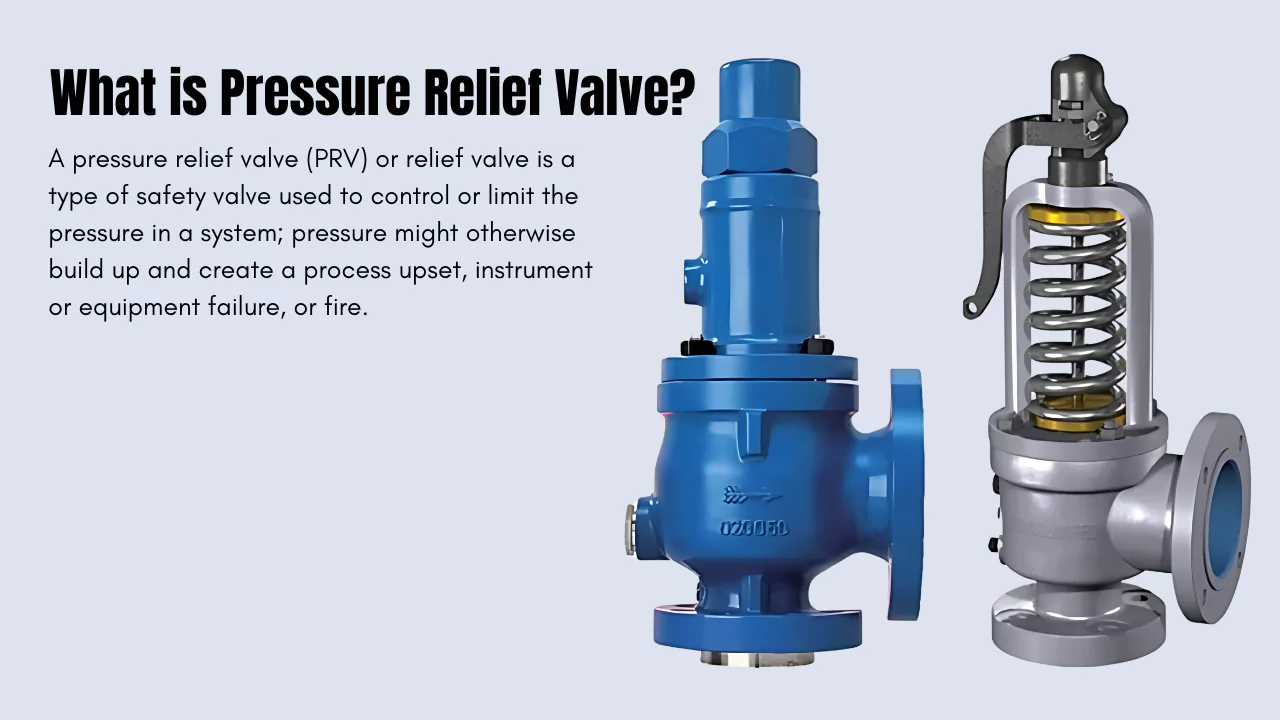
What is Relief Valve Lag Time?
The relief valve lag time is essentially the time interval between the occurrence of overpressure in a system and the activation of the relief valve. This time lag can vary based on several factors, including the type of valve, the system’s design, and the operating conditions. Understanding this lag is crucial for designing systems that can effectively manage pressure spikes.
Factors Affecting Relief Valve Lag Time
1. Valve Type
Different types of relief valves exhibit varying lag times. For instance, a spring-loaded valve might have a different response compared to a pilot-operated valve. The choice of valve can significantly impact the overall system performance.
2. Operating Conditions
Pressure, temperature, and the fluid’s properties can all influence the relief valve lag time. Systems operating at higher pressures or with more viscous fluids might experience longer lag times.
3. System Design
The design of the pressure system, including the layout of pipes and the positioning of valves, can affect how quickly a relief valve responds to pressure changes. Proper design is essential to minimizing lag time.
The Impact of Relief Valve Lag Time on System Safety
Lag time can have serious implications for the safety and functionality of pressure systems. A longer lag time increases the risk of overpressure conditions persisting, which can lead to equipment damage or even catastrophic failure. Therefore, understanding and minimizing relief valve lag time is vital for maintaining safe operations.
Strategies to Minimize Relief Valve Lag Time
1. Regular Maintenance
Regular inspection and maintenance of relief valves can help ensure they function correctly and minimize lag time. This includes checking for wear and tear, corrosion, and ensuring valves are not obstructed.
2. Proper Valve Selection
Choosing the right type of valve for the specific application can reduce lag time. Consulting with experts and reviewing system requirements can aid in making the best choice.
3. System Design Optimization
Designing the system with optimized flow paths and strategically placed valves can help in reducing relief valve lag time. This involves considering factors like pipe length, diameter, and the positioning of valves relative to pressure sources.
Technological Advancements in Reducing Lag Time
Advancements in technology have brought about innovative solutions to address relief valve lag time. Smart valves equipped with sensors and monitoring systems can provide real-time data, allowing for quicker response times and predictive maintenance.
Case Study: Successful Reduction of Relief Valve Lag Time
A leading manufacturing plant faced challenges with excessive lag time in their pressure systems. By implementing a combination of smart valves and redesigning their system layout, they successfully reduced lag time by 30%, enhancing safety and efficiency.
Conclusion
Understanding and managing relief valve lag time is crucial for industrial engineers tasked with maintaining safe and efficient pressure systems. Through proper valve selection, system design, and maintenance, the impact of lag time can be minimized, ensuring smoother and safer operations.
FAQs
1. What causes relief valve lag time?
Lag time can be caused by several factors, including valve type, system design, and operating conditions such as pressure and temperature.
2. How can I reduce relief valve lag time?
Regular maintenance, proper valve selection, and optimizing system design are effective strategies to reduce lag time.
3. Why is understanding relief valve lag time important?
It is important because it impacts the safety and efficiency of pressure systems, helping to prevent equipment damage and ensure operational safety.
This article contains affiliate links. We may earn a commission at no extra cost to you.