In the realm of industrial engineering, the design of relief valve discharge piping holds significant importance. It ensures the safe and efficient release of excess pressure, protecting both the equipment and personnel. Understanding the intricacies of this design is crucial for engineers working in fields like chemical processing, oil and gas, and manufacturing.
The primary focus of relief valve discharge piping design is to provide a safe path for the discharge of fluids under pressure. Improper design can lead to catastrophic failures, making it vital for engineers to adhere to industry standards and best practices. This article delves into the critical aspects of this design, offering insights and guidelines to ensure optimal performance and safety.
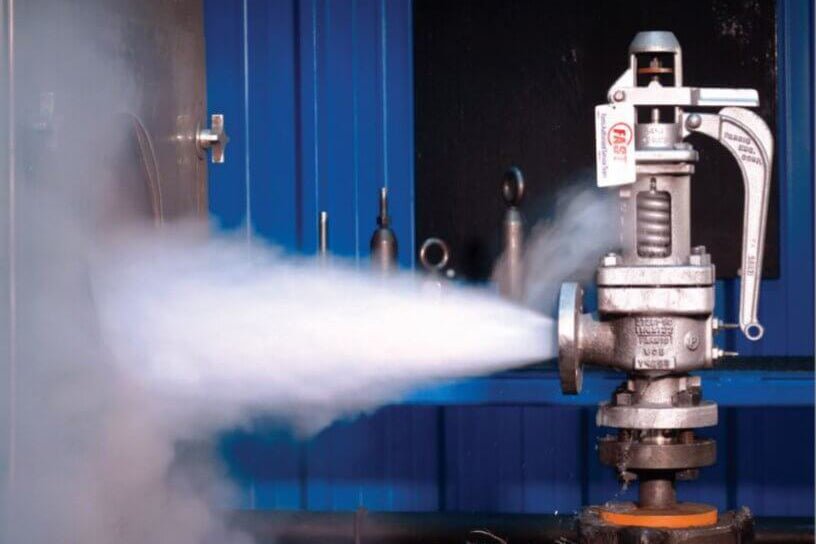
Understanding Relief Valves
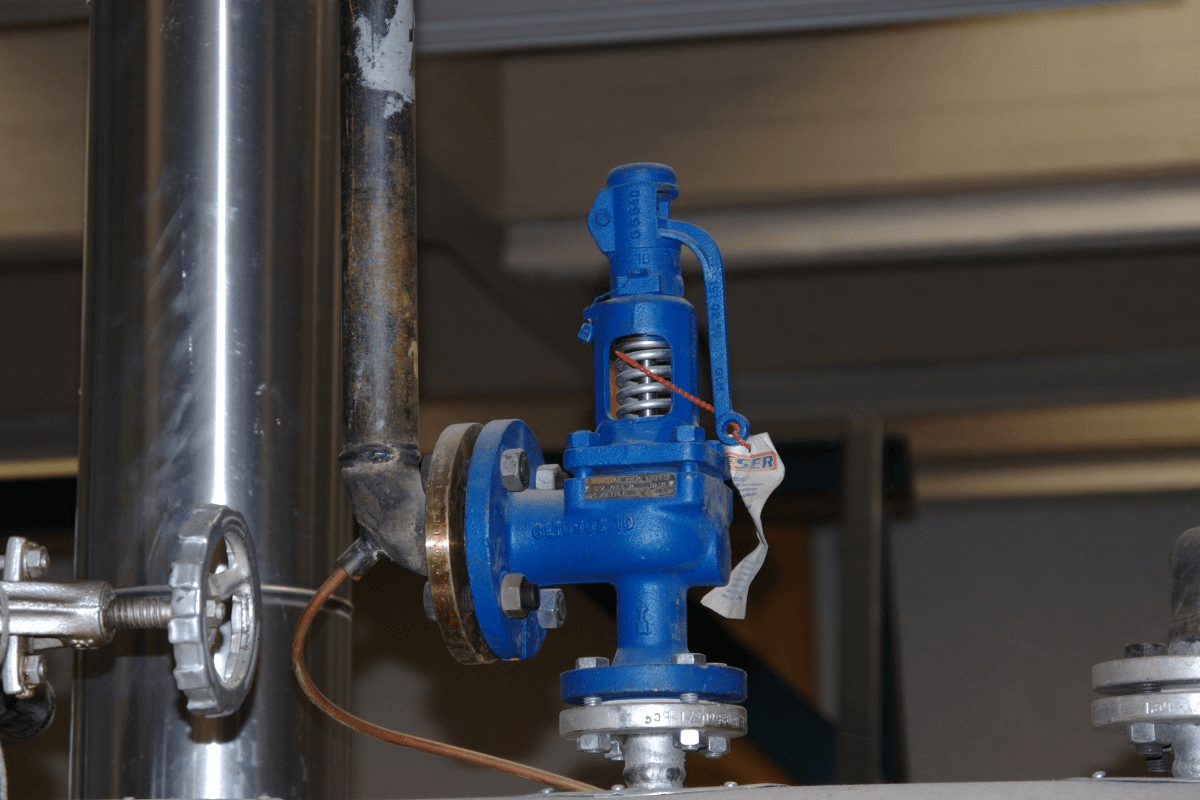
Relief valves are safety devices designed to release excess pressure from a system. They are essential components in maintaining system integrity and preventing potential hazards. When designing discharge piping for these valves, several key factors must be considered to ensure effectiveness and safety.
Types of Relief Valves
There are various types of relief valves, each suited for different applications. Common types include pressure relief valves, safety valves, and vacuum relief valves. Understanding the specific requirements of your system is crucial in selecting the appropriate valve type.
Key Design Considerations
1. Pipe Sizing
Proper pipe sizing is a critical aspect of relief valve discharge piping design. The pipe must be adequately sized to handle the maximum expected flow rate without causing excessive backpressure. Engineers must calculate the required pipe diameter to ensure efficient fluid discharge.
2. Material Selection
Material selection is another vital consideration. The materials used for the piping must be compatible with the fluid being discharged and capable of withstanding the system’s operating conditions. Common materials include stainless steel, carbon steel, and various alloys.
3. Piping Layout
The layout of the piping system plays a crucial role in its efficiency. Engineers must design the piping layout to minimize pressure drops and avoid sharp bends or unnecessary fittings that could impede flow. A well-designed layout ensures smooth and efficient discharge.
Compliance with Standards
Compliance with industry standards is essential in relief valve discharge piping design. Organizations like the American Society of Mechanical Engineers (ASME) provide guidelines and standards for designing and installing relief valve systems. Adhering to these standards ensures safety and regulatory compliance.
ASME Code
The ASME Code outlines specific requirements for the design, installation, and testing of relief valve systems. Engineers must familiarize themselves with these requirements to ensure their designs meet industry standards.
API Standards
The American Petroleum Institute (API) also provides standards for relief valve systems, particularly in the oil and gas industry. Engineers working in this field must ensure their designs comply with API standards to ensure safety and efficiency.
Common Challenges and Solutions
1. Backpressure Management
Excessive backpressure can hinder the performance of a relief valve system. Engineers must design the discharge piping to minimize backpressure and ensure efficient fluid flow. This may involve optimizing pipe sizing and layout.
2. Corrosion Resistance
Corrosion is a common challenge in piping systems, particularly when handling corrosive fluids. Selecting corrosion-resistant materials and coatings can help mitigate this issue and prolong the lifespan of the piping system.
3. Maintenance and Inspection
Regular maintenance and inspection are vital to ensure the continued performance and safety of relief valve systems. Engineers should establish a routine maintenance schedule and conduct periodic inspections to identify and address potential issues.
Conclusion
The design of relief valve discharge piping is a critical aspect of industrial engineering, ensuring the safety and efficiency of pressure relief systems. By considering key factors such as pipe sizing, material selection, and compliance with standards, engineers can design effective and reliable discharge piping systems. Addressing common challenges and implementing regular maintenance further enhances system performance and longevity.
FAQ
What is the main purpose of a relief valve?
A relief valve is designed to release excess pressure from a system, ensuring safety and preventing potential hazards.
Why is pipe sizing important in relief valve discharge piping design?
Proper pipe sizing ensures efficient fluid discharge and minimizes backpressure, preventing system failures.
How can I ensure compliance with industry standards?
Familiarize yourself with relevant standards such as the ASME Code and API standards, and adhere to their guidelines in your design.
For more in-depth information on pressure relief systems, consider visiting this resource.
This article contains affiliate links. We may earn a commission at no extra cost to you.