
Experiencing standing water in your shower can be frustrating and inconvenient. Not only does it make showering unpleasant, but it can also lead to long-term damage if not addressed promptly. In this comprehensive guide, we will explore how to fix standing water in a shower effectively. Whether you are a homeowner or a renter, understanding the causes and solutions will help you maintain a functional and efficient bathroom.
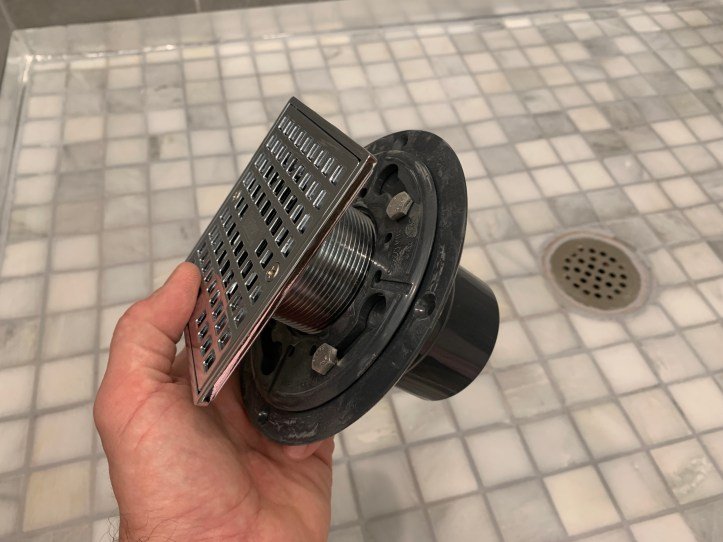
Understanding the Causes of Standing Water
Before diving into the solutions, it’s essential to understand the common causes of standing water in the shower. By identifying the root cause, you can apply the appropriate fix and prevent future occurrences.
Clogged Shower Drain
A clogged shower drain is the most common reason for standing water. Hair, soap scum, and debris can accumulate over time, obstructing water flow. Regular maintenance and cleaning can prevent clogs from forming.
Improper Shower Drain Installation
If the shower drain was not installed correctly, it can lead to water pooling. Ensuring proper installation and alignment can mitigate this issue.
Inadequate Slope or Shower Design
An insufficient slope in the shower floor can prevent water from draining efficiently. Checking the shower design and making necessary adjustments can help in resolving the issue.
Steps to Fix Standing Water in Shower
Now that we have identified the causes, let’s explore the steps to fix standing water in the shower.
Step 1: Clear the Clogged Drain
The first step is to clear any blockages in the drain. You can use a plunger or a drain snake to remove debris. For stubborn clogs, chemical drain cleaners can be effective, but use them cautiously.
Step 2: Inspect the Shower Drain
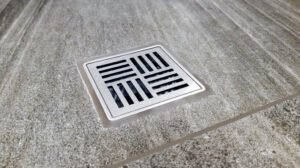
After clearing the clog, inspect the shower drain for any visible issues. Ensure that the drain cover is secure and that there are no cracks or damages.
Step 3: Adjust the Shower Floor Slope
If the shower floor slope is inadequate, it may require professional assistance to adjust and ensure proper drainage. Consult a plumber to evaluate and make necessary changes.
Step 4: Regular Maintenance
To prevent future issues, establish a routine maintenance schedule. Clean the drain regularly and check for any signs of blockage or damage.
Tools and Materials Needed
Having the right tools and materials can make the process of fixing standing water in the shower more efficient. Here are some essentials:
- Plunger
- Drain Snake
- Chemical Drain Cleaner
- Bucket
- Gloves
Ensure you follow safety precautions when using chemical cleaners and tools.
When to Call a Professional
If you have tried the above steps and the issue persists, it may be time to call a professional plumber. Persistent problems could indicate more significant underlying issues that require expert intervention.
Professional Assessment
A professional plumber can assess the situation thoroughly and provide solutions tailored to your specific problem. They can also ensure that the shower system is functioning optimally.
Preventing Standing Water in the Future
Prevention is always better than cure. Here are some tips to prevent standing water in the shower:
Install a Drain Cover
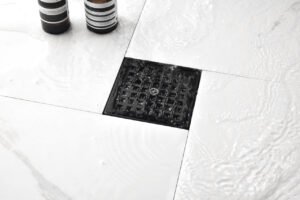
Installing a drain cover can catch hair and debris, preventing them from clogging the drain.
Regular Cleaning
Regularly clean the shower and drain to prevent soap scum and buildup.
Check for Leaks
Inspect your shower system for any leaks or signs of wear. Addressing issues early can prevent larger problems.
FAQs
Why is my shower water not draining properly?
The most common reason is a clogged shower drain due to hair and debris buildup.
What should I do if my shower drain is still clogged after using a plunger?
Consider using a drain snake or chemical drain cleaner. If the problem persists, consult a professional plumber.
How often should I clean my shower drain?
Regular cleaning, at least once a month, can prevent clogs and ensure efficient drainage.
For more detailed information on handling and preventing shower clogs, refer to this guide.
For industrial engineers and those interested in designing for plumbing system accessibility, explore our resources on designing efficient systems.
This article contains affiliate links. We may earn a commission at no extra cost to you.