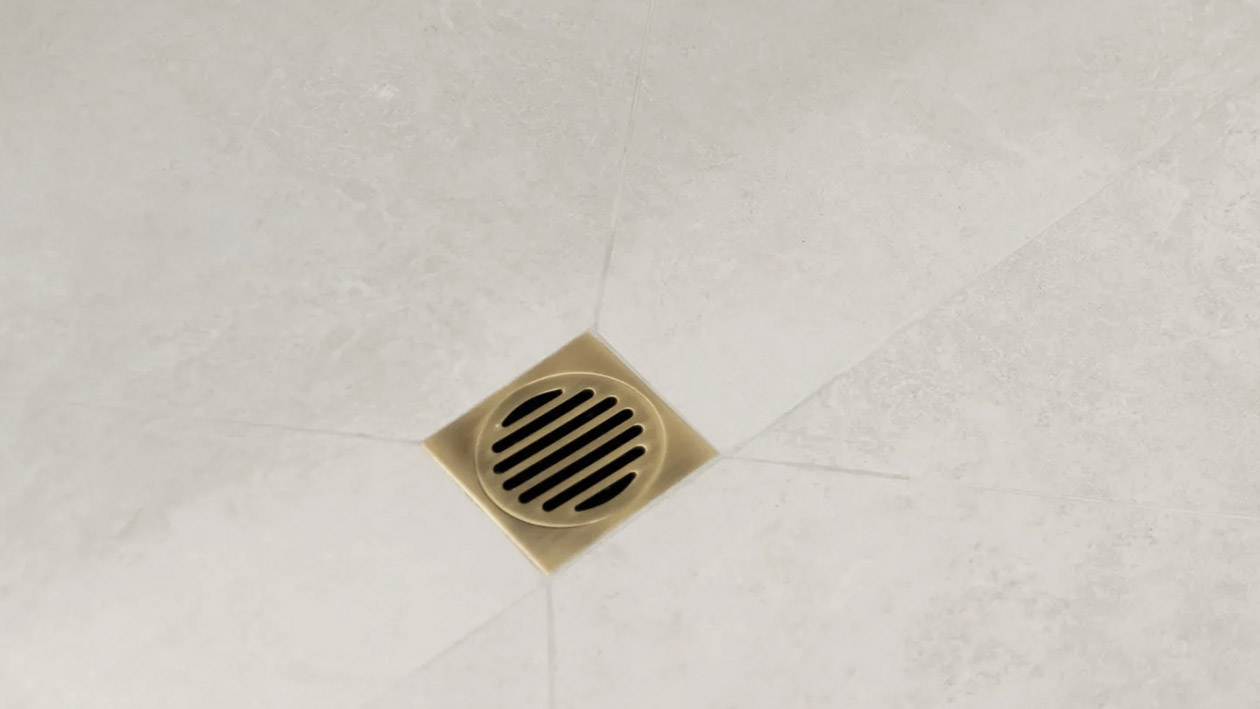

Keeping your shower looking pristine is a top priority for many, but maintaining the grout around the shower drain can be a challenging task. If you’re wondering how to clean grout around the shower drain, you’ve come to the right place. This guide will provide you with easy and effective methods to ensure your shower stays spotless.
Grout can accumulate dirt, mold, and mildew, especially in damp environments like bathrooms. Addressing this issue not only enhances the appearance of your shower but also prevents potential health hazards. The following sections will guide you through every step of the cleaning process.
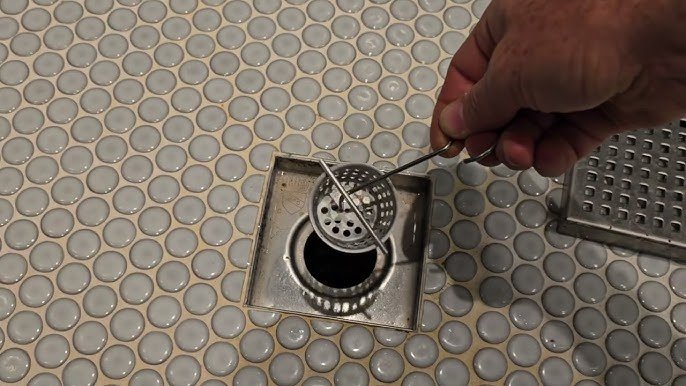
Understanding the Importance of Cleaning Shower Grout
Grout is porous, meaning it can absorb water and grime easily. Over time, this can lead to discoloration, mold growth, and even damage. Regular cleaning helps in maintaining the integrity and appearance of your shower.
Gathering Necessary Cleaning Materials
- Baking soda
- White vinegar
- Hydrogen peroxide
- Grout brush or old toothbrush
- Microfiber cloth
- Spray bottle
Step-by-Step Grout Cleaning Process
1. Initial Rinse
Start by rinsing the area around the shower drain with warm water to remove any loose debris. This will make the cleaning process more effective.
2. Apply a Baking Soda Paste
Mix baking soda with a small amount of water to create a paste. Apply the paste generously to the grout lines around the drain.
3. Spray with Vinegar
Using a spray bottle, spray white vinegar over the baking soda paste. The mixture will fizz, which helps in breaking down dirt and stains.
4. Scrub the Grout
Use a grout brush or an old toothbrush to scrub the grout. Focus on areas with visible dirt or mold. The fizzing action of the vinegar and baking soda will make scrubbing easier and more effective.
5. Rinse and Dry
Rinse the area with warm water to remove any residue. Use a microfiber cloth to dry the grout and surrounding areas, preventing any further moisture buildup.
Preventing Future Grout Stains
Once your grout is clean, it’s crucial to keep it that way. Consider applying a grout sealer to protect against moisture and stains. Regular cleaning and ventilation will also help maintain a fresh appearance.
Common Mistakes to Avoid When Cleaning Grout
Many people make the mistake of using harsh chemicals or abrasive tools that can damage grout. Stick to gentle cleaning agents like baking soda and vinegar, and always use a soft brush.
Additional Tips for Maintaining Shower Grout
- Regularly wipe down your shower to remove excess moisture.
- Ensure proper ventilation to reduce humidity.
- Consider using a daily shower cleaning spray to prevent buildup.
Dealing with Stubborn Grout Stains
For tougher stains, a mixture of hydrogen peroxide and baking soda can be more effective. Apply this mixture to the grout, let it sit for a few minutes, and then scrub as usual.
When to Call a Professional
If your grout is severely stained or damaged, it might be best to contact a professional cleaning service. They have the tools and expertise to restore your grout to its original state.
FAQs
1. What causes grout to become dirty?
Grout can become dirty due to soap scum, mold, mildew, and mineral deposits. Regular cleaning can help prevent these issues.
2. How often should I clean my shower grout?
It’s recommended to clean your shower grout at least once a month to maintain its appearance and prevent mold growth.
3. Can I use bleach on grout?
While bleach can be effective for removing stains, it can also weaken grout over time. It’s best to use natural cleaning solutions for regular maintenance.
For more information on preventing shower drain issues, check out this guide. Additionally, if you’re dealing with specific odor problems, you might find this resource helpful.
For further reading on this topic, visit Mr. Rooter for additional tips on maintaining your shower space.
This article contains affiliate links. We may earn a commission at no extra cost to you.