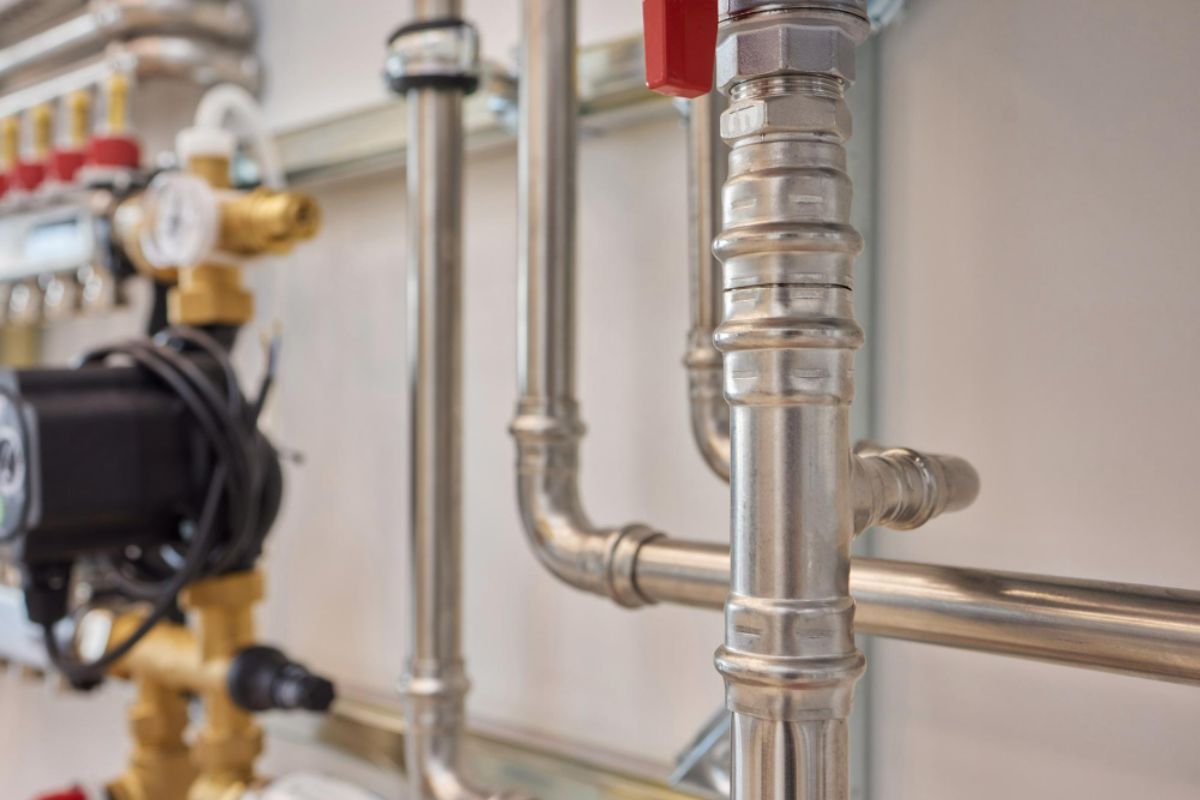

In today’s rapidly advancing technological world, the automatic valve with sensor is transforming various industries, from residential plumbing to expansive industrial systems. These automatic valves, equipped with cutting-edge sensor technology, are known for their precision and efficiency. They play a crucial role in enhancing control and automation processes in both commercial and residential settings.

What Is an Automatic Valve with Sensor?
An automatic valve with sensor is a state-of-the-art device comprising a valve unit integrated with electronic sensors. These sensors help in detecting parameters such as flow, pressure, and level, thereby controlling the valve operations automatically without manual intervention. This leads to improved efficiency in fluid handling within systems.
The Importance of Sensor Technology in Valves
With the integration of sensor technology, automatic valves have become smarter and more responsive. Sensors provide real-time data and feedback, enhancing the system’s operational efficiency. This is especially important in industrial applications where precision is key. By using sensor technology, companies can reduce human error and increase safety standards across various operations.
Types of Sensors Used in Automatic Valves
- Flow Sensors: Measure and control the flow rate of liquids and gases.
- Pressure Sensors: Monitor and maintain optimal pressure levels within systems.
- Temperature Sensors: Ensure that temperature levels are kept within desired ranges.
Applications of Automatic Valve with Sensor
The uses of these advanced valves are diverse, covering aspects from home automation to industrial manufacturing. In the home, they are integral to systems that conserve water and prevent flooding by automatically shutting off when leaks are detected. Pipe maintenance is often enhanced with these smart solutions.
Industrial Uses
In industrial settings, automatic valves are essential for controlling complex processes that involve the handling of various fluids under precise conditions. They support systems in industries such as chemical manufacturing, water treatment, and energy production.
Key Benefits of Implementing Automatic Valves with Sensors
Employing automatic valves offers numerous advantages including improved efficiency, reduced operational costs, and enhanced safety. By automating the flow and pressure regulation, these valves minimize the risk of accidents and increase the accuracy of operations.
Cost Savings
While initial investments in sensor-equipped valves might be high, the long-term savings due to increased energy efficiency and lower maintenance requirements are significant. Over time, these systems can lead to substantial resource conservation and lower utility bills.
Challenges and Considerations
Despite their advantages, there are challenges associated with integrating automatic valve systems. These include the complexity of installation, potential maintenance needs, and the necessity of regular updates to software and calibration of sensors. It is crucial for businesses to weigh these factors against the benefits provided.
Technology Adaptation
As with any technological advancement, the adoption rate can vary. Industrial sectors may require training and adjustments for personnel tasked with managing these sophisticated systems. However, the drive towards greater automation means that adaptation is occurring more rapidly than in the past.
Conclusion
The integration of automatic valve with sensor systems signifies a step towards modernizing fluid control processes in various industries. With their high efficiency, accuracy, and safety features, these valves are setting new standards in how industries manage and control their operations. By effectively utilizing these systems, businesses can ensure better resource management, enhancing both their productivity and sustainability efforts.

FAQ
What industries benefit the most from automatic valves with sensors?
Industries such as water treatment, chemical manufacturing, and energy production benefit greatly due to the need for precise fluid control.
How do automatic valves improve safety?
They enhance safety by providing real-time data that helps in managing and controlling the flow and pressure automatically, reducing human error.
Are there any maintenance concerns for these valves?
Regular maintenance, including sensor calibration and software updates, is required to ensure optimal performance.
For more in-depth information on smart valves, you can learn more here.
Discover the top smart valve brands and their contributions to industry innovations.
This article contains affiliate links. We may earn a commission at no extra cost to you.