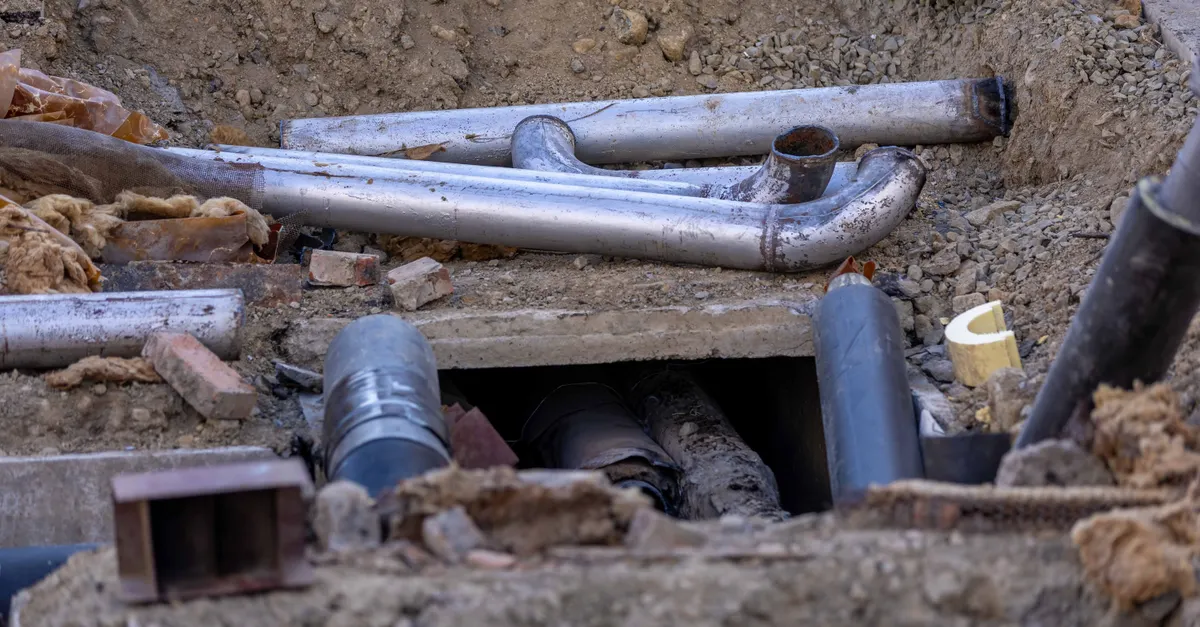

Pipe insulation plays a crucial role in the performance and reliability of commercial plumbing systems. In large buildings and facilities, the demands on piping are significant, and the stakes for energy efficiency, safety, and system longevity are high. Understanding the different types of insulation, their benefits, and the factors to consider when selecting and installing them is essential for building managers, facility engineers, and contractors. This guide explores the importance of pipe insulation for commercial plumbing, compares common materials, discusses installation challenges, and offers practical recommendations for making informed decisions.
Why Insulation Matters in Commercial Plumbing
In commercial environments, plumbing systems often span long distances and serve multiple purposes, from delivering hot water to supporting HVAC operations. Without proper insulation, pipes are vulnerable to heat loss, condensation, and even freezing—issues that can lead to higher energy bills, water damage, and costly repairs. Insulation acts as a protective barrier, helping maintain desired temperatures, preventing moisture buildup, and extending the life of the plumbing infrastructure. The scale and complexity of commercial systems make these benefits even more critical compared to residential settings.
Key Benefits of Pipe Insulation in Commercial Settings
The advantages of insulating pipes in commercial buildings are both immediate and long-term. Here are some of the most significant benefits, supported by industry evidence and best practices.
Improved Energy Efficiency
One of the primary reasons for using pipe insulation for commercial plumbing is to minimize heat loss or gain through piping. According to the Pacific Northwest National Laboratory, insulating water pipes can save energy by reducing the amount of heat lost as water travels through the system. This is especially important in large facilities where hot water is distributed over long distances. By maintaining water temperature, insulation reduces the workload on boilers and water heaters, resulting in lower energy consumption and utility costs.
Condensation and Freeze Protection
Uninsulated pipes are prone to condensation, particularly when cold water lines run through warm, humid areas. This moisture can drip onto ceilings, walls, or equipment, leading to corrosion, mold growth, and structural damage. Insulation acts as a vapor barrier, preventing condensation from forming on pipe surfaces. Additionally, in colder climates or unheated spaces, insulation helps protect pipes from freezing—a major cause of pipe bursts and water damage. The same PNNL resource notes that insulation reduces the risk of both condensation and freezing, safeguarding the system and the building as a whole.
System Longevity and Maintenance
By stabilizing temperatures and preventing moisture-related issues, insulation contributes to the overall durability of plumbing systems. Pipes that are protected from temperature extremes and corrosion tend to have a longer service life and require fewer repairs. This translates into reduced maintenance costs and less downtime for commercial operations.
Comparing Pipe Insulation Materials for Commercial Applications
Selecting the right insulation material is a critical decision that affects performance, cost, and compliance with building codes. The most common materials used in commercial plumbing include fiberglass, foam, and mineral wool. Each has its own strengths and limitations, making them suitable for different applications.
Fiberglass Insulation
Fiberglass is widely used in commercial plumbing due to its high thermal resistance and versatility. Products like Large Diameter Fiberglas™ Pipe Insulation are specifically designed for commercial and industrial systems, supporting both high- and low-temperature applications. Fiberglass is non-combustible, resists moisture, and is available in a range of thicknesses to meet various energy codes.
Pros:
- Excellent thermal performance for hot and cold systems
- Non-combustible and moisture-resistant
- Available in pre-formed sections for large pipes
Cons:
- Requires proper handling to avoid skin irritation
- May need additional vapor barrier in humid environments
Foam Insulation
Foam insulation, including both polyethylene and elastomeric types, is lightweight and easy to install. It is flexible, making it suitable for pipes with bends and fittings. Foam provides good thermal resistance and is often used for chilled water lines or where condensation prevention is a priority.
Pros:
- Flexible and easy to install around complex piping
- Effective vapor barrier properties
- Lightweight and cost-effective
Cons:
- Lower temperature tolerance compared to fiberglass
- May degrade under UV exposure if not protected
Mineral Wool Insulation
Mineral wool, also known as rock wool, is valued for its fire resistance and sound-dampening properties. It is suitable for high-temperature applications and environments where fire safety is a concern. Mineral wool is denser than fiberglass or foam, providing robust protection but requiring careful installation.
Pros:
- High fire resistance and sound absorption
- Performs well in high-temperature systems
- Resistant to mold and pests
Cons:
- Heavier and more rigid, making installation more challenging
- Can be more expensive than other options
Choosing the Right Material
When selecting insulation, consider the operating temperature, exposure to moisture, fire safety requirements, and ease of installation. For example, fiberglass is often preferred for hot water and steam lines, while foam is ideal for chilled water and condensation control. Mineral wool is chosen where fire resistance is paramount. Consulting with a professional or referencing building codes can help ensure compliance and optimal performance.
Installation Challenges and Best Practices
Proper installation is essential for insulation to deliver its intended benefits. Commercial projects often involve large pipe diameters, complex layouts, and the need to coordinate with other building systems. Here are some common challenges and recommended approaches.
Common Installation Challenges
- Access and Space Constraints: Pipes may be located in tight or hard-to-reach areas, making it difficult to fit insulation securely.
- Large Diameter Pipes: Insulating bigger pipes requires specialized materials and techniques to ensure full coverage and support.
- Moisture Management: In humid environments, ensuring a continuous vapor barrier is critical to prevent condensation and insulation degradation.
- Integration with Other Systems: Plumbing often intersects with HVAC, electrical, and fire protection systems, requiring careful planning to avoid conflicts.
Best Practices for Commercial Installations
- Use pre-formed insulation sections for large pipes to ensure a snug fit and consistent thickness.
- Seal all joints and seams with appropriate tapes or mastics to maintain thermal performance and prevent moisture intrusion.
- Follow manufacturer guidelines and local building codes for thickness, material selection, and fire safety.
- Coordinate with other trades to avoid damaging insulation during subsequent construction phases.
- Consider professional installation for complex or large-scale projects to ensure safety and compliance.
For facilities that integrate advanced building management systems, such as those with valve monitoring for HVAC systems, proper insulation can enhance system efficiency and support accurate monitoring by maintaining stable temperatures within the piping network.
Codes, Standards, and Compliance Considerations
Commercial plumbing insulation is subject to various codes and standards designed to ensure safety, energy efficiency, and system reliability. While specific requirements vary by region and application, common references include the International Energy Conservation Code (IECC), ASHRAE standards, and local building regulations. These codes specify minimum insulation thickness, acceptable materials, and installation methods. Always verify current requirements for your jurisdiction and application before proceeding with a project.

Conclusion and Practical Recommendations
Selecting and installing pipe insulation for commercial plumbing is a critical step in protecting building infrastructure, reducing energy costs, and ensuring long-term system reliability. Key considerations include the choice of insulation material, compliance with applicable codes, and the complexity of the installation environment. While some smaller or straightforward projects may be manageable in-house, professional installation is strongly recommended for large, complex, or high-risk applications to ensure safety and effectiveness. Regular inspection and maintenance of insulated pipes will further extend their lifespan and maintain optimal performance.
Frequently Asked Questions
What are the main benefits of insulating pipes in commercial plumbing?
Insulating pipes in commercial settings improves energy efficiency by reducing heat loss, prevents condensation and freezing, and extends the lifespan of the plumbing system. It also helps maintain water temperature and reduces the risk of water damage from leaks or bursts.
How do I choose the right insulation material for my commercial plumbing system?
Consider factors such as the operating temperature, exposure to moisture, fire safety requirements, and the size and layout of the piping. Fiberglass, foam, and mineral wool are common choices, each with specific advantages. Consulting with a professional or referencing local codes can help ensure the best fit for your application.
Are there specific codes or standards for pipe insulation in commercial buildings?
Yes, commercial plumbing insulation is governed by standards such as the International Energy Conservation Code (IECC) and ASHRAE guidelines, as well as local building codes. These regulations specify minimum insulation thickness, material properties, and installation practices to ensure safety and efficiency.