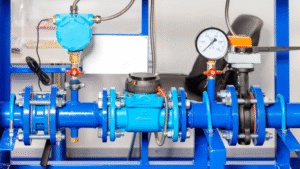
In the realm of industrial engineering, the understanding of Pressure Relief Valves (PRVs) is crucial for ensuring safety and efficiency. A key aspect of these valves is the distinction between PRV opening pressure vs closing pressure. This fundamental concept is essential for engineers and technicians who work with systems requiring precise pressure management.
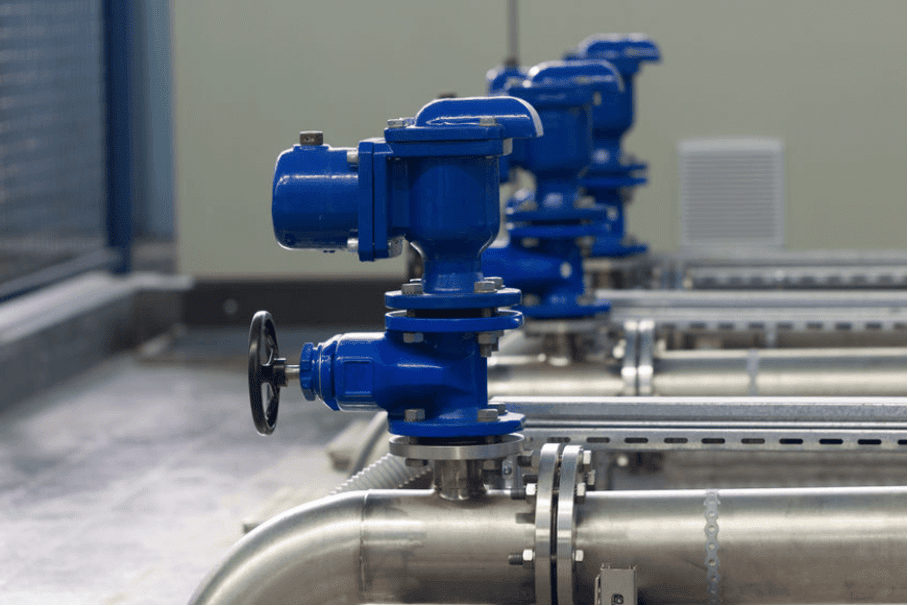
What is PRV Opening Pressure?
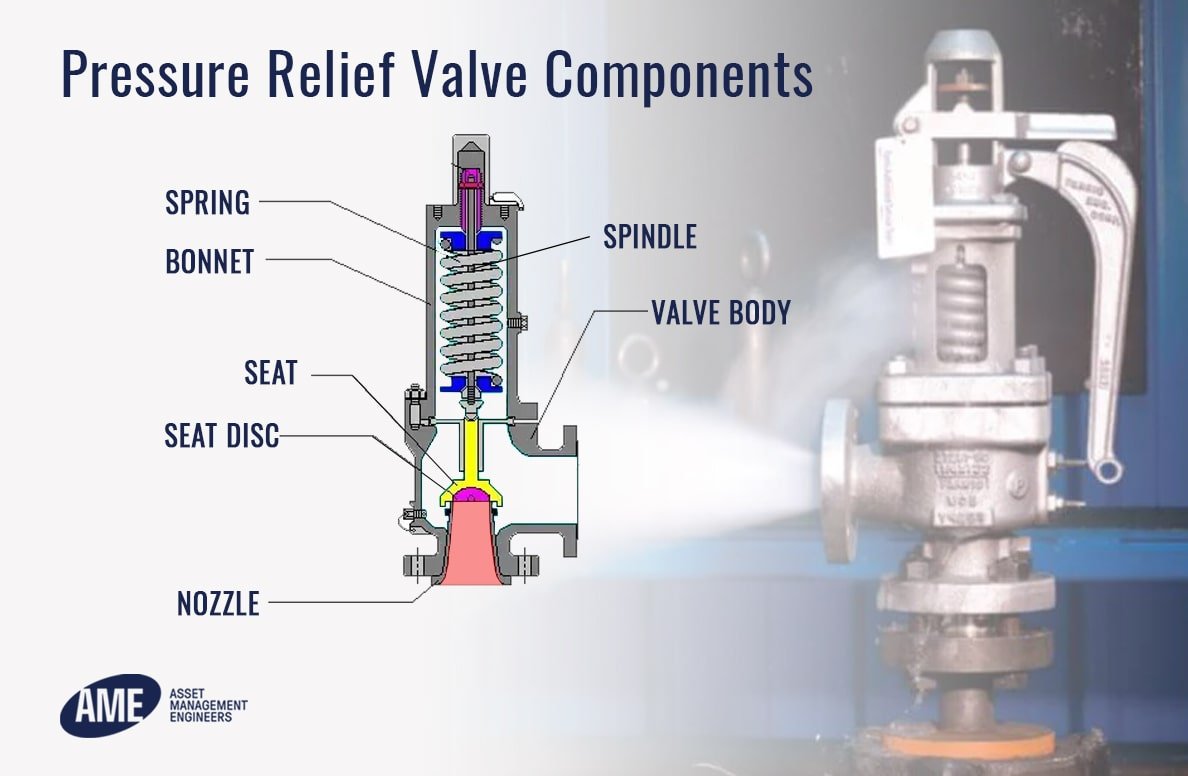
The opening pressure of a PRV is the specific pressure at which the valve begins to open, allowing excess pressure to be released. This setting is critical in preventing potential overpressure conditions that could lead to equipment failure or safety hazards.
Understanding PRV Closing Pressure
Conversely, the closing pressure is the pressure at which the PRV reseals after releasing excess pressure. This ensures the system returns to its normal operating conditions without pressure fluctuations.
Importance of Accurate Pressure Settings
Accurate pressure settings are vital for maintaining the integrity of the entire system. Misalignment of opening and closing pressures can lead to frequent valve cycling, reducing the lifespan of the PRV and potentially compromising safety.
For more details on valve pressure settings, visit valve pressure settings.
How PRVs Ensure Safety
PRVs play a pivotal role in safeguarding industrial systems. They are designed to release pressure swiftly, protecting equipment from excessive pressure build-up. This safety mechanism is critical in industries such as oil and gas, chemical manufacturing, and power generation.
For a deeper understanding of safety relief valves, refer to Safety Relief Valves.
Factors Influencing PRV Performance
Several factors can affect the performance of a PRV, including temperature, fluid characteristics, and the specific design of the valve. It is essential to consider these factors when selecting and setting a PRV for any application.
Learn more about PRV design considerations at PRV design standards.
Applications of PRVs in Industry
PRVs are widely used across various industries to protect against overpressure. In the chemical industry, for example, they ensure that reactors and storage tanks operate safely under high pressure. Similarly, in the oil and gas sector, PRVs are critical in maintaining the safe operation of pipelines and drilling equipment.
Common Issues with PRVs
Common issues associated with PRVs include leakage, chattering, and improper resealing. Regular maintenance and proper selection of valve materials can mitigate these issues, ensuring reliable operation.
Explore more about PRV maintenance at PRV replacement procedure.
Choosing the Right PRV for Your System
Selecting the right PRV involves considering factors such as the fluid type, operating temperature, and system pressure. Engineers must also ensure that the PRV is compliant with industry standards and regulations.
For guidance on PRV selection, visit relief valve seal materials.
Maintenance and Testing of PRVs
Regular maintenance and testing are vital to ensure the optimal performance of PRVs. This includes inspecting for signs of wear and tear, verifying pressure settings, and ensuring proper sealing of the valve.
Understand more about PRV testing at PRV operating temperature limits.
Advancements in PRV Technology
Technological advancements have led to the development of more reliable and efficient PRVs. Innovations include digital monitoring systems that provide real-time data on valve performance, enhancing safety and operational efficiency.
Future Trends in PRV Design
The future of PRV design lies in smart technology integration, which offers predictive maintenance capabilities and remote monitoring. These advancements promise to further improve the safety and efficiency of industrial systems.
Conclusion
Understanding the PRV opening pressure vs closing pressure is essential for the safe and efficient operation of industrial systems. By ensuring accurate pressure settings, selecting the right PRV, and keeping up with technological advancements, engineers can enhance system reliability and safety.
FAQ
What is the difference between opening and closing pressure?
The opening pressure is when a PRV begins to release pressure, while the closing pressure is when it reseals.
Why are accurate PRV settings important?
Accurate settings prevent overpressure and ensure the longevity of the valve, maintaining system safety.
How often should PRVs be tested?
PRVs should be tested regularly, at least once a year, to ensure their proper functioning and safety.
This article contains affiliate links. We may earn a commission at no extra cost to you.