A slow shower drain can be a frustrating problem, disrupting your daily routine and leaving you with standing water in the shower. If you’re asking, ‘why is my shower drain slow?’, you’re not alone. This common issue can arise due to various reasons, and understanding them is the first step towards a solution. In this article, we will explore the causes behind a slow shower drain and provide practical solutions to help you get back to enjoying your showers.
Common Causes of a Slow Shower Drain
Hair Accumulation
One of the most common reasons for a slow shower drain is the accumulation of hair. Hair strands can easily slip through the drain cover and get tangled in the drain pipes, forming a clog over time. Regular cleaning and using a hair catcher can help prevent this issue.
Soap Scum Build-Up
Soap, especially bar soap, can leave a residue that builds up in the drain over time. This soap scum can combine with hair and other debris to form a stubborn clog. Switching to liquid soap and regularly cleaning the drain can mitigate this problem.
Mineral Deposits
If you live in an area with hard water, mineral deposits can accumulate in your pipes, narrowing the passage and slowing down the drainage. Installing a water softener can help reduce these deposits and keep your drains flowing smoothly.
Small Objects and Debris
Sometimes, small objects like bottle caps, razor covers, or even jewelry can accidentally fall into the drain, causing a blockage. It’s essential to be cautious and keep such items away from the shower area to prevent them from obstructing the drain.
Identifying the Problem
Visual Inspection
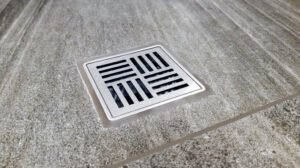
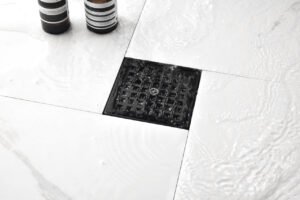
Begin by conducting a visual inspection of the drain area. Remove the drain cover and use a flashlight to look for visible blockages, such as hair or debris. Using a pair of tweezers or a wire hook, you may be able to remove some of the blockage manually.
Listening for Gurgling Sounds
Gurgling sounds in the drain can indicate trapped air due to a clog. If you hear these noises when water is draining, it’s likely that there is a blockage further down the pipe.
Slow Water Drainage
If water pools around your feet while showering and takes a long time to drain, this is a clear sign of a slow drain. Addressing this issue promptly can prevent further complications.
DIY Solutions for a Slow Shower Drain
Using a Plunger
A plunger can be an effective tool for dislodging minor clogs. Ensure that the shower floor is covered with enough water to submerge the plunger’s head, then use vigorous up-and-down motions to create suction and dislodge the blockage.
Baking Soda and Vinegar
This natural solution can help break down clogs caused by hair and soap scum. Pour a cup of baking soda followed by a cup of vinegar down the drain. Wait for a few minutes before flushing with hot water to clear the loosened debris.
Drain Snake
A drain snake is a handy tool for reaching deeper clogs. Insert the snake into the drain and rotate it to catch and pull out the clog. Be gentle to avoid damaging the pipes.
When to Call a Professional
Persistent Clogs
If DIY methods don’t work and the drain remains slow, it might be time to call a professional plumber. They have the expertise and tools to identify and resolve more complex plumbing issues.
Regular Maintenance
Regular maintenance by a professional can prevent slow drains from becoming a recurring problem. Consider scheduling routine inspections and cleanings to keep your plumbing in top condition.
Preventing Future Slow Drains
Using a Drain Cover
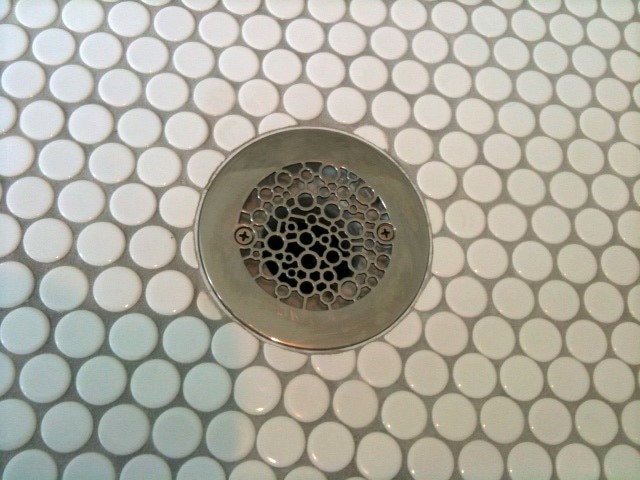
Installing a drain cover can help catch hair and prevent small objects from entering the drain. This simple addition can significantly reduce the frequency of clogs.
Regular Cleaning
Regularly cleaning the drain by removing any visible debris and flushing with hot water can prevent build-up and keep the drain flowing smoothly.
Conclusion
Understanding why is my shower drain slow is the first step towards resolving the issue. By identifying common causes and implementing preventive measures, you can ensure a smooth and hassle-free shower experience. However, don’t hesitate to seek professional help when needed to maintain the health of your plumbing system.
FAQs
How do I know if my shower drain is clogged?
Signs of a clogged drain include slow water drainage, gurgling sounds, and water pooling in the shower.
Can I use chemical drain cleaners?
While chemical cleaners can be effective, they can also damage pipes over time. It’s best to use natural methods or consult a professional.
What should I do if DIY methods don’t work?
If DIY solutions fail, it’s advisable to contact a professional plumber to address the issue.
For more tips on unclogging drains, visit this external resource.
For insights on preventing such issues in industrial settings, read more about designing for PRV accessibility and impact of system backpressure on PRV.
This article contains affiliate links. We may earn a commission at no extra cost to you.