
Have you ever walked into your bathroom and noticed water pooling on the floor? You might wonder, why is my bathroom leaking? A leaking bathroom can be both frustrating and concerning, as it can lead to further damage if not addressed promptly. Understanding the reasons behind these leaks is essential for finding effective solutions. In this article, we will delve into the common causes and offer guidance on how to fix them.
Common Causes of Bathroom Leaks
1. Faulty Faucets and Showerheads
One of the most frequent culprits of a leaking bathroom is a faulty faucet or showerhead. These fixtures can develop leaks over time due to wear and tear or improper installation. It’s important to regularly check for any drips or leaks and replace worn-out parts to prevent water wastage and further damage.
2. Toilet Leaks
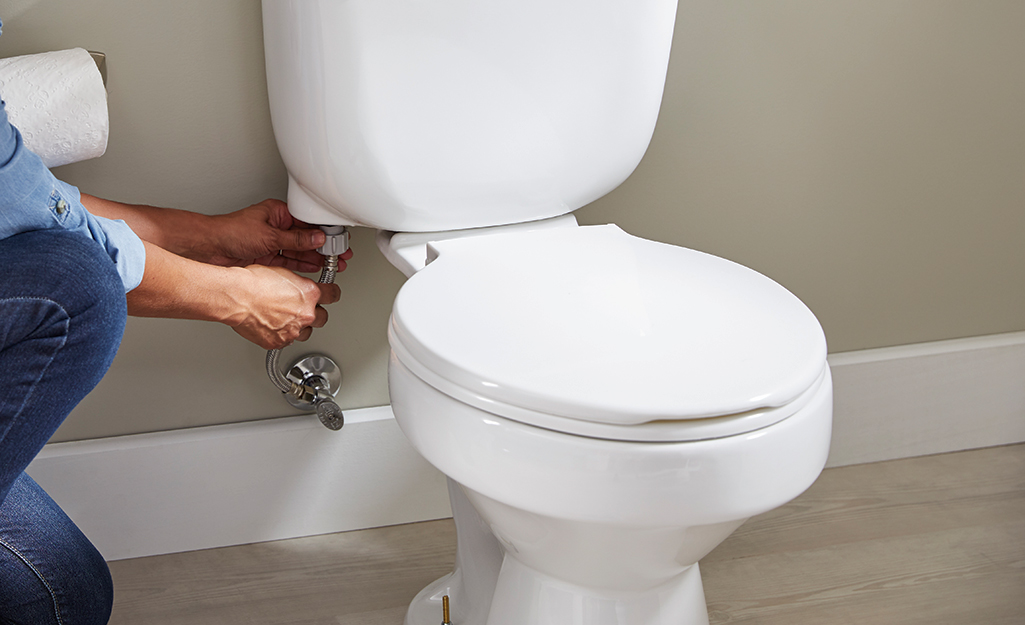
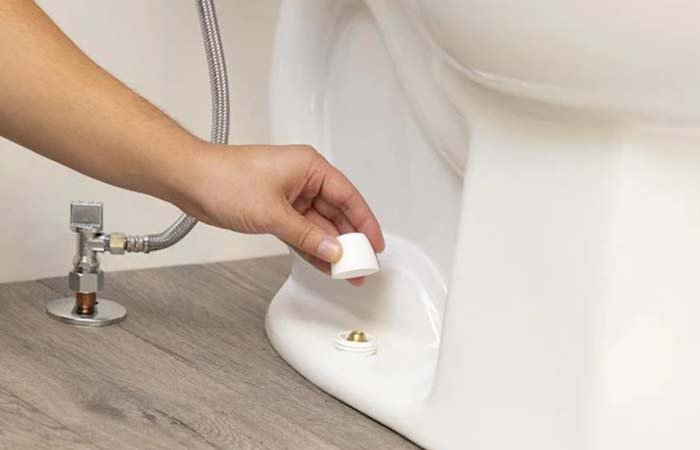
Toilets can also be a source of bathroom leaks. A faulty flapper, worn-out seals, or a malfunctioning fill valve can cause water to continuously leak into the toilet bowl, leading to increased water bills. Regularly inspect your toilet for any signs of leaks and replace faulty components promptly.
3. Pipe and Plumbing Issues
Pipes running through your bathroom walls or under the floor can develop leaks due to corrosion, shifting, or improper installation. If you notice damp spots on walls or ceilings, it’s crucial to address these issues promptly to prevent further damage. Consider consulting a professional plumber to inspect and repair any leaking pipes.
4. Damaged or Missing Grout and Caulk
Grout and caulk serve as barriers to prevent water from seeping into walls and floors. Over time, these materials can deteriorate, crack, or become loose, allowing water to penetrate and cause leaks. Regularly inspect and repair any damaged or missing grout and caulk to maintain a watertight seal in your bathroom.
Identifying Hidden Leaks
Hidden leaks can be challenging to detect, but they can cause significant damage if left unaddressed. Look out for signs such as water stains, mold growth, or a musty odor in your bathroom. If you suspect a hidden leak, it may be necessary to hire a professional with specialized equipment to locate and repair the issue.
Preventative Measures
Regular Inspections and Maintenance
Regularly inspecting your bathroom fixtures and plumbing can help identify potential issues before they become major problems. Check for leaks, ensure proper drainage, and address any signs of wear and tear promptly. Routine maintenance can save you time, money, and headaches in the long run.
Use Quality Materials
Using high-quality materials during installation or repairs can significantly reduce the likelihood of leaks. Invest in durable fixtures, pipes, and sealing materials to ensure long-lasting performance and minimize the risk of future leaks.
Professional Plumbing Services
While DIY fixes can be effective for minor issues, it’s important to recognize when it’s time to call in a professional plumber. Their expertise can help identify and address complex plumbing problems, ensuring thorough and lasting repairs.
FAQs
1. How do I know if my bathroom is leaking?
Look for signs such as water stains, dampness, mold growth, or unusual water bills. Conduct regular inspections and address any visible leaks promptly.
2. Can I fix a leaking bathroom myself?
Minor leaks, such as a dripping faucet, can often be fixed with basic tools and replacement parts. However, for more complex issues, it’s advisable to consult a professional plumber.
3. How can I prevent bathroom leaks?
Regular inspections, maintenance, and using quality materials during installation or repairs can help prevent bathroom leaks. Address any signs of wear and tear promptly to avoid further damage.
By understanding the common causes of bathroom leaks and taking preventative measures, you can keep your bathroom in good condition and avoid costly repairs. Remember, [signs you have a leak](https://wattersplumbing.com/tips/signs-you-have-a-leak/) can often be subtle, so stay vigilant and address any issues promptly. For more information on fixing bathroom leaks, visit [small bathroom leak](https://valvex.ai/small-bathroom-leak/) and [how to fix a bathroom leak](https://valvex.ai/how-to-fix-a-bathroom-leak/).
This article contains affiliate links. We may earn a commission at no extra cost to you.