Have you ever stepped into the shower, only to find that the water isn’t draining properly? A backed-up shower drain can be a frustrating issue, often leaving water pooling at your feet. Understanding why does water back up in shower drain is crucial for finding effective solutions and preventing future occurrences. In this article, we’ll delve into the common causes of this issue and explore various methods to resolve it.
Understanding the Basics of Shower Drains
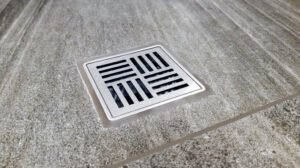
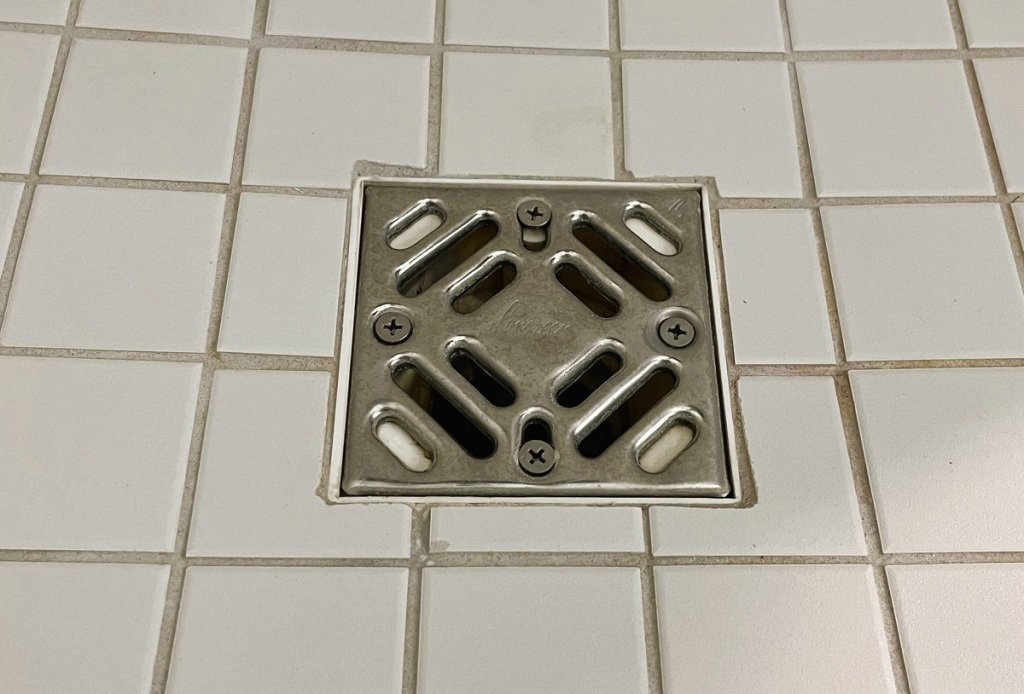
Before we dive into the specific causes, it’s important to understand the basic function of a shower drain. A shower drain is designed to quickly and efficiently remove water from the shower area, directing it into the plumbing system. When functioning correctly, the water should flow seamlessly without any obstructions.
Common Causes of Shower Drain Backup
1. Hair and Soap Scum Build-Up
One of the most common causes of a backed-up shower drain is the accumulation of hair and soap scum. Over time, hair strands and soap residue can form a stubborn clog that restricts water flow. Regular cleaning and the use of drain covers can help mitigate this issue.
2. Mineral Deposits
If you live in an area with hard water, mineral deposits can build up in your pipes, contributing to clogs. These deposits can narrow the diameter of pipes, slowing down water drainage. Installing a water softener may help reduce mineral buildup.
3. Foreign Objects
Accidentally dropping items like shampoo bottle caps or hairpins into the shower drain can lead to blockages. These objects can get lodged in the pipes, causing water to back up. Being mindful of what goes down the drain can prevent this problem.
Solutions for a Backed-Up Shower Drain
1. Manual Removal
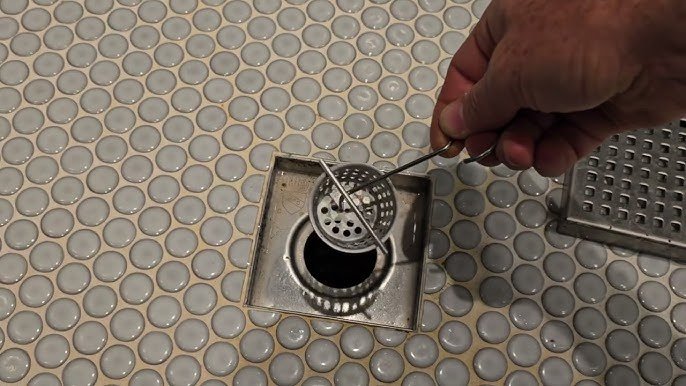
For minor clogs, manually removing debris from the drain can be effective. Use a pair of gloves and a drain snake to pull out hair and other blockages. This method is simple and doesn’t require any special tools.
2. Natural Solutions
If you prefer a chemical-free approach, consider using a combination of baking soda and vinegar. Pouring these ingredients down the drain can help break down clogs naturally. For more natural solutions, you can visit natural DIY solutions.
3. Commercial Drain Cleaners
For stubborn clogs, commercial drain cleaners may be necessary. However, use them sparingly as they can be harsh on pipes over time. Always follow the manufacturer’s instructions when using these products.
Preventing Future Clogs
1. Regular Maintenance
Routine maintenance is key to preventing future clogs. Regularly clean your drain and remove any visible debris. Additionally, using a drain cover can help catch hair and other particles before they enter the drain.
2. Proper Disposal of Waste
Ensure that only water and appropriate waste go down the drain. Avoid flushing foreign objects or large amounts of soap down the shower drain, as these can lead to blockages.
The Role of Professional Plumbers
If you’ve tried various solutions and the problem persists, it may be time to call a professional plumber. They have the expertise and tools needed to diagnose and fix complex plumbing issues. Learn more about PRV operation under challenging conditions.
When to Consider a Plumbing Upgrade
In some cases, recurring drain issues may indicate a need for a plumbing system upgrade. Outdated or damaged pipes can contribute to frequent backups. Consulting with a plumber can help determine if an upgrade is necessary, ensuring your plumbing system is in top shape.
Conclusion
Understanding why does water back up in shower drain is the first step in addressing this common household issue. By identifying the cause and implementing appropriate solutions, you can ensure a smooth and efficient drainage system in your shower. Remember, regular maintenance and mindful usage are key to preventing future clogs. If all else fails, don’t hesitate to seek professional help to resolve persistent issues.
FAQs
1. How often should I clean my shower drain?
It’s recommended to clean your shower drain at least once a month to prevent clogs and ensure proper drainage.
2. Can I use a plunger to unclog my shower drain?
Yes, a plunger can be effective for minor clogs. Ensure there is enough water in the shower to create a seal before plunging.
3. What should I do if my shower drain smells?
If your shower drain emits a foul odor, it may be due to bacterial growth. Cleaning the drain with a mixture of baking soda and vinegar can help neutralize the smell.
This article contains affiliate links. We may earn a commission at no extra cost to you.