In an age where technology continually revolutionizes industry standards, understanding what a smart valve is becomes crucial, especially in both industrial and residential settings. These remarkable instruments redefine the way various systems operate, making them more efficient, reliable, and user-friendly.
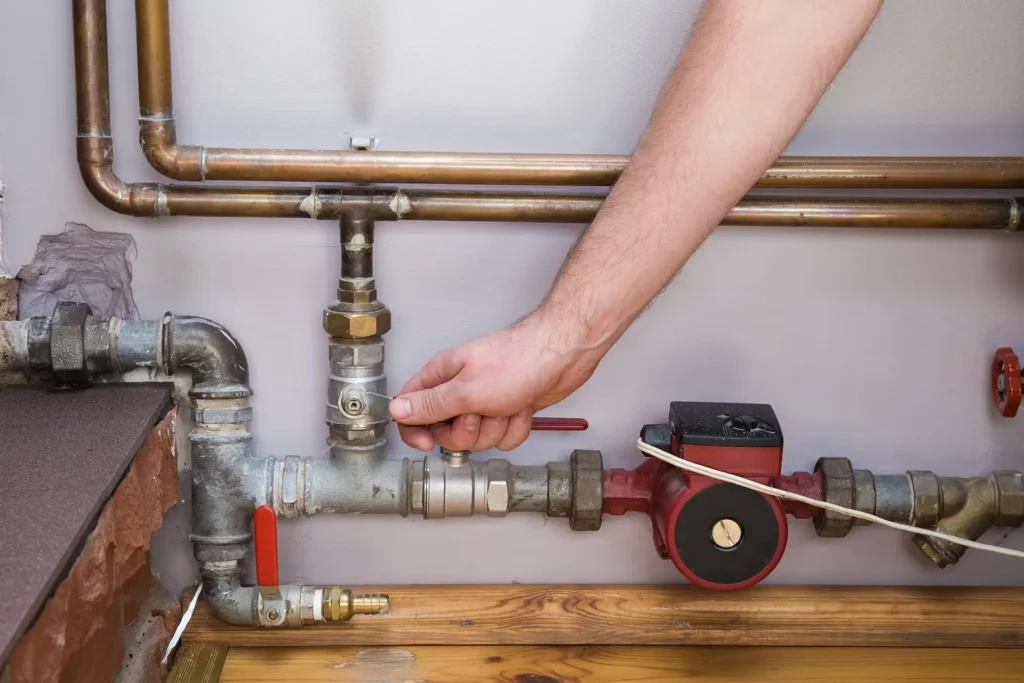
The Basics of Smart Valves
Smart valves are advanced devices that integrate cutting-edge technology allowing for precise control of fluid flow. Unlike traditional valves, they use automated systems and sensors to function, ensuring operational efficiency.
Components of a Smart Valve
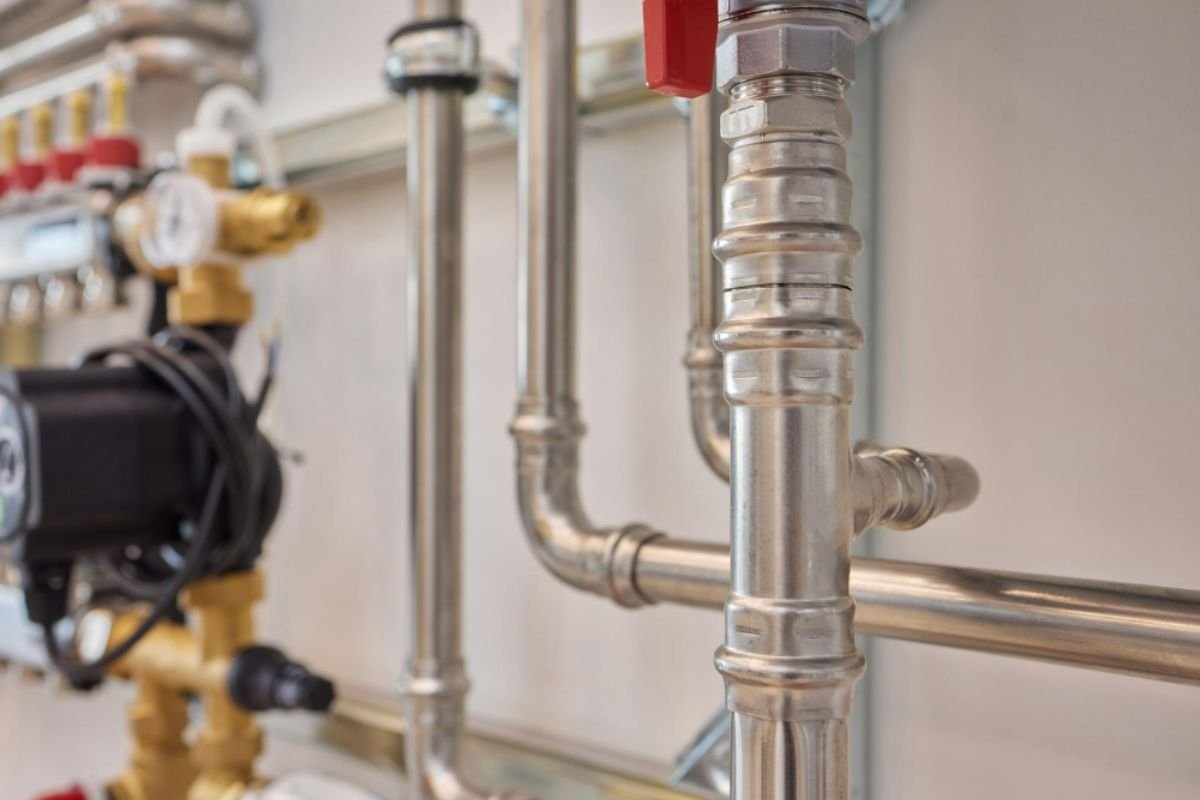
A typical smart valve is composed of several key components including sensors, actuators, and communication systems. These components work in harmony to adjust the valve’s operation based on real-time feedback.
How Smart Valves Work
The operation of smart valves is complex but fascinating. By utilizing sensors, these valves can measure parameters like flow rate, pressure, and temperature. This data is then sent to a central system that adjusts the actuator for optimal performance.
The Role of Automation
Automation is at the heart of smart valve functionality. Through automation, these valves can adjust themselves without human intervention, reducing the likelihood of human error and increasing efficiency.
Applications of Smart Valves
Smart valves are utilized across a wide range of industries. In the industrial sphere, they enhance the efficiency of systems by providing improved control over processes. They are also increasingly important in home automation systems. For a detailed overview of smart valve applications in industrial settings, visit the industrial impact guide.
Industrial Applications
Industries such as oil and gas, chemical manufacturing, and water treatment have embraced smart valves for their ability to improve system safety and functionality. These valves ensure a higher reliability level and aid in compliance with environmental regulations.
Advantages of Using Smart Valves
The benefits of smart valves are myriad. They not only increase the longevity and dependability of the systems they are used in but also reduce costs associated with maintenance.
Enhanced Operational Efficiency
With the data-driven operation, smart valves ensure that systems run efficiently and adapt to varying conditions without manual adjustments.
Reduction in Maintenance Costs
Thanks to their advanced technology, the need for regular maintenance inspections is lowered, helping reduce overall operational costs. For tips on maintaining regular systems, explore maintenance tips.
Challenges in Smart Valve Integration
Despite their many benefits, the integration of smart valves into existing systems can present a few challenges. These include high initial costs and the necessity of compatible infrastructure.
Overcoming Technological Barriers
To successfully integrate these advanced systems, industries must overcome technological barriers by upgrading their infrastructure to accommodate smart technology.
Future Prospects of Smart Valves
The future of smart valves looks promising as they play a pivotal role in modernizing industrial protocols. Their ability to transform conventional systems into intelligent ones promises further expansions in utility and function.
Emerging Technologies
With ongoing advancements, smart valves will continue to evolve, incorporating newer technologies like AI and IoT to further enhance their capabilities. Additional insight can be gained from the smart valve role in industry 4.0.
Sustainability and Environment
As ecosystems are increasingly prioritized, smart valves contribute towards more eco-friendly industrial solutions by optimizing the use of resources and minimizing waste.
Conclusion
Understanding what a smart valve is crucial for anyone engaged in industrial applications or interested in the future of home automation. The integration of smart technology into fluid control presents exciting opportunities for efficiency and innovation. For those who want to dive deeper into potential issues associated with traditional plumbing systems, visit common plumbing issues.
FAQ
What are the benefits of smart valves over traditional valves?
Smart valves offer extensive automation, leading to high efficiency, reduced maintenance costs, and improved system longevity compared to traditional valves.
What industries benefit most from smart valves?
Industries such as oil and gas, chemical manufacturing, and water treatment benefit significantly from adopting smart valves due to their enhanced control capabilities.
How do smart valves contribute to sustainability?
Smart valves optimize resource usage, minimizing wastage, and promoting eco-friendly operations across industrial applications.
This article contains affiliate links. We may earn a commission at no extra cost to you.