In the world of industrial engineering, understanding what causes PRV chattering is crucial for maintaining efficient and safe operations. Pressure Relief Valves (PRVs) are essential components in various systems, tasked with maintaining pressure balance and preventing system failures. However, when PRVs experience chattering, it can lead to inefficiencies and potential hazards.
Introduction to PRV Chattering
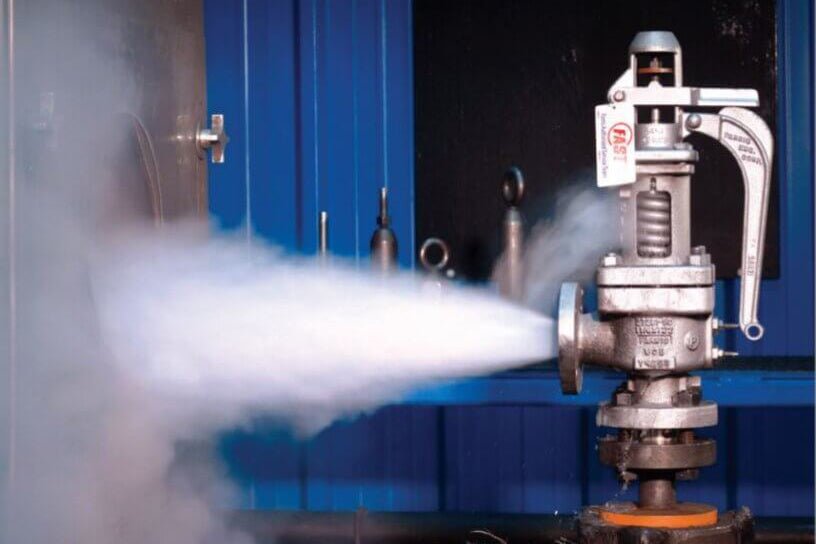
PRV chattering refers to the rapid opening and closing of the valve, which can cause mechanical wear and reduce the valve’s lifespan. This phenomenon can occur due to several reasons, and identifying these causes is vital for resolving the issue and ensuring optimal system performance.
What is Pressure Relief Valve Chattering?
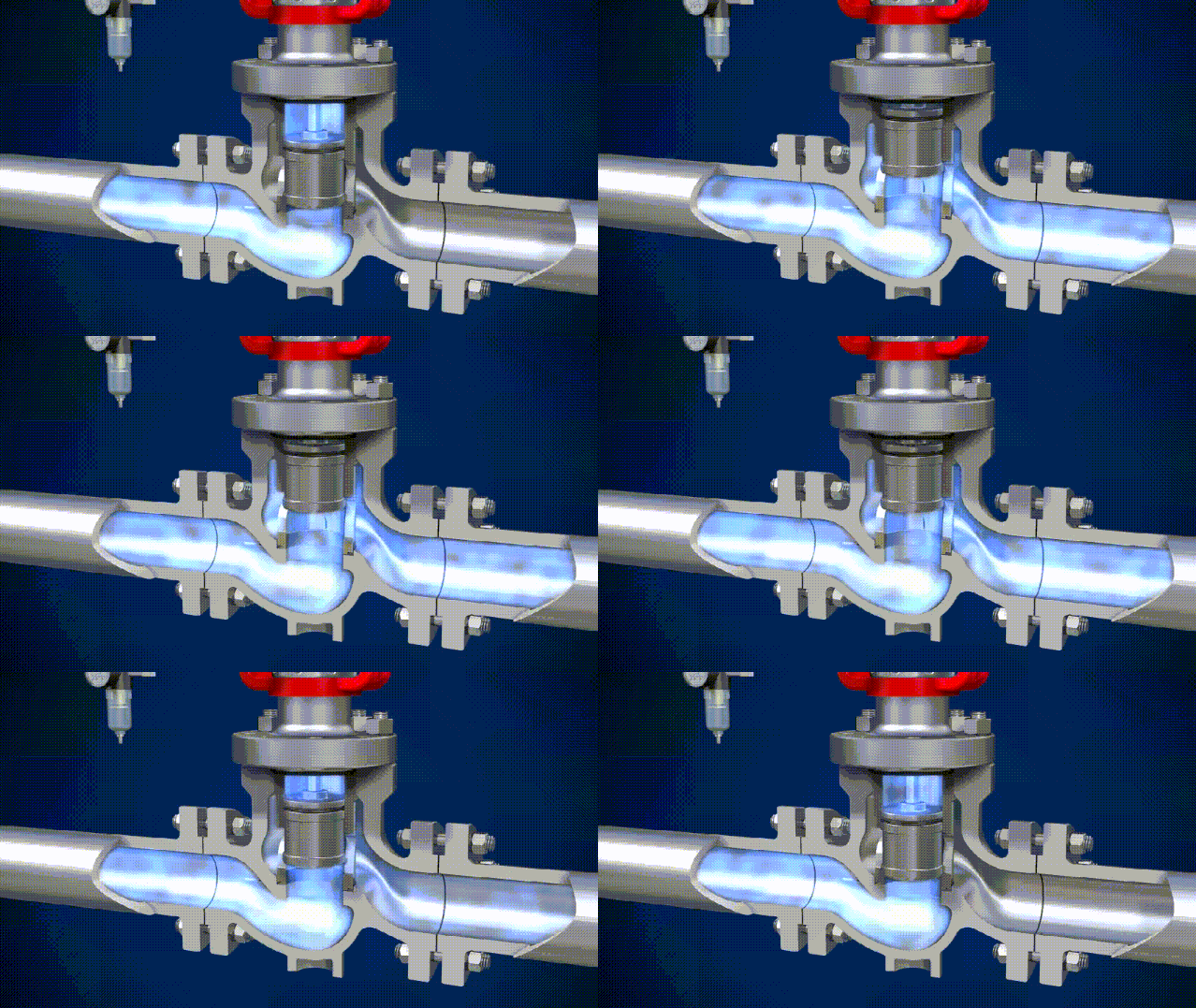
Pressure Relief Valve (PRV) chattering is an undesirable condition where the valve experiences rapid cycling between open and closed positions. This behavior can lead to excessive wear and tear, increasing the risk of failure. Understanding the underlying causes of chattering is essential for implementing effective solutions.
Importance of Addressing PRV Chattering
Addressing PRV chattering is crucial for maintaining system integrity and preventing unexpected shutdowns. The repetitive cycling can cause damage not only to the valve itself but also to the surrounding components, leading to costly repairs and downtime.
Common Causes of PRV Chattering
Several factors contribute to PRV chattering. Understanding these causes helps in diagnosing and solving the problem effectively.
1. Incorrect Sizing
One of the most common causes of PRV chattering is incorrect sizing of the valve. A valve that is too large or too small for the system’s needs can lead to instability and chattering.
2. System Backpressure
Backpressure in the system can also cause PRV chattering. When the backpressure exceeds the valve’s set pressure, it can lead to instability in valve operation. For more insights on this, refer to the article on system backpressure impact.
3. Inappropriate Set Pressure
If the PRV is not set to the correct pressure, it can result in chattering. The set pressure should match the system’s requirements to ensure stable operation.
4. Valve Installation and Orientation
Improper installation or orientation of the PRV can lead to chattering. Valves should be installed according to manufacturer guidelines to avoid operational issues. Learn more about proper PRV orientation.
5. Fluid Dynamics and Pulsation
Variations in fluid dynamics and pulsation within the system can cause the valve to chatter. These fluctuations can be addressed by reviewing the system’s design and operation. For detailed insights, read about pulsation in PRVs.
Effects of PRV Chattering
PRV chattering can have several negative effects on a system, including increased wear, potential leaks, and system inefficiencies. Understanding these effects is crucial for implementing preventative measures.
Increased Wear and Tear
The rapid cycling of the valve can cause significant wear and tear, reducing its operational life and increasing maintenance costs.
Potential for System Leaks
Chattering can lead to improper sealing, increasing the risk of leaks and potential system failures.
System Inefficiencies
Chattering can cause pressure fluctuations, leading to inefficiencies in system performance and energy consumption.
Preventing PRV Chattering
To prevent PRV chattering, it’s essential to address the root causes and implement effective solutions. This involves proper valve sizing, installation, and regular maintenance.
Proper Valve Sizing
Ensuring that the PRV is correctly sized for the system is crucial for preventing chattering. This involves selecting a valve that matches the system’s pressure and flow requirements.
Correct Installation and Maintenance
Following manufacturer guidelines for installation and performing regular maintenance can help prevent operational issues, including chattering.
Monitoring System Conditions
Regularly monitoring system conditions, such as pressure and flow, can help identify potential issues before they lead to chattering.
Conclusion
Understanding what causes PRV chattering and implementing preventative measures is crucial for maintaining efficient and safe industrial operations. By addressing the root causes and ensuring proper valve sizing and installation, the risk of chattering can be significantly reduced.
Further Reading and Resources
For more information on Pressure Relief Valves and related topics, consider exploring external resources such as understanding PRVs and PRV basics.
FAQ
What is the main cause of PRV chattering?
The main cause of PRV chattering is often incorrect valve sizing or inappropriate set pressure.
How can I prevent PRV chattering?
Preventing PRV chattering involves ensuring proper valve sizing, installation, and regular maintenance.
Can PRV chattering lead to system failure?
Yes, if left unaddressed, PRV chattering can lead to increased wear, leaks, and potential system failures.
This article contains affiliate links. We may earn a commission at no extra cost to you.