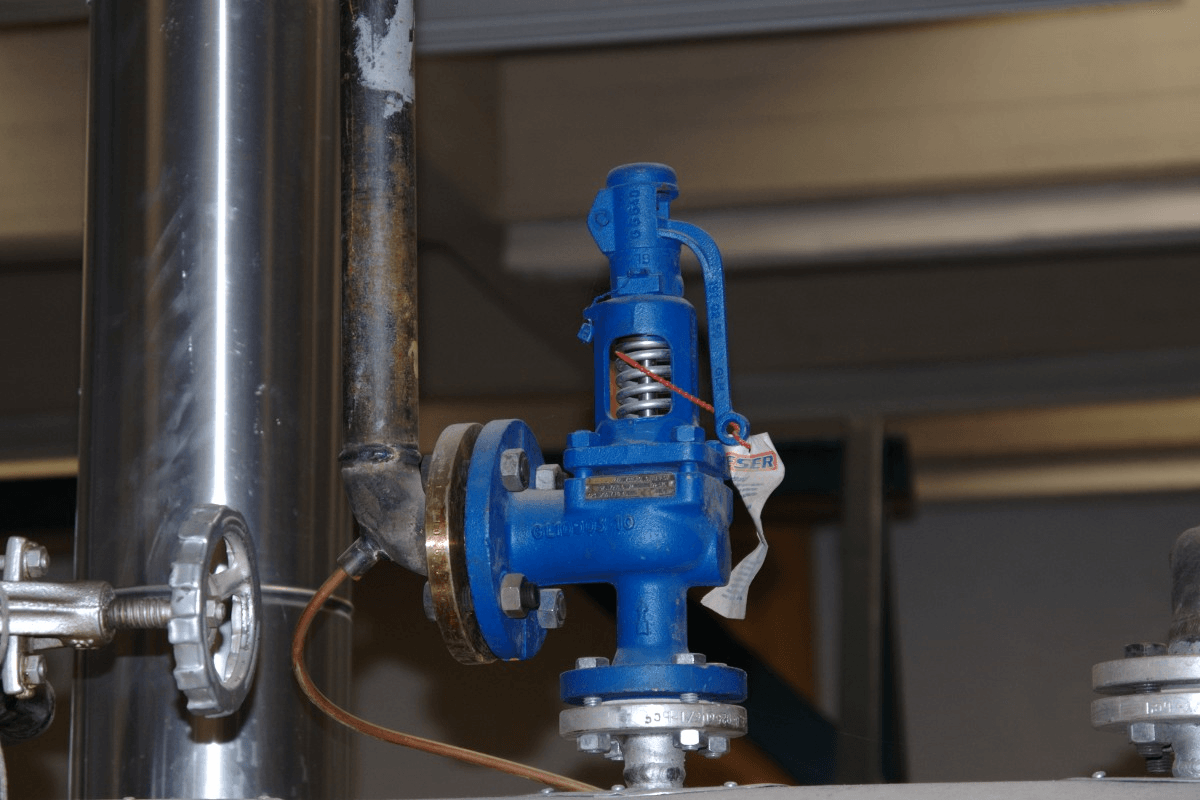

The concept of understanding PRV blow-off is crucial for industrial engineers. In industries where pressure systems are prevalent, the role of a Pressure Relief Valve (PRV) becomes indispensable. These valves are designed to release pressure from systems to prevent potential over-pressurization, which can lead to catastrophic failures. This article aims to provide a comprehensive understanding of PRV blow-off, exploring its mechanisms, importance, and best practices for maintenance and operation.
What is a PRV Blow-Off?
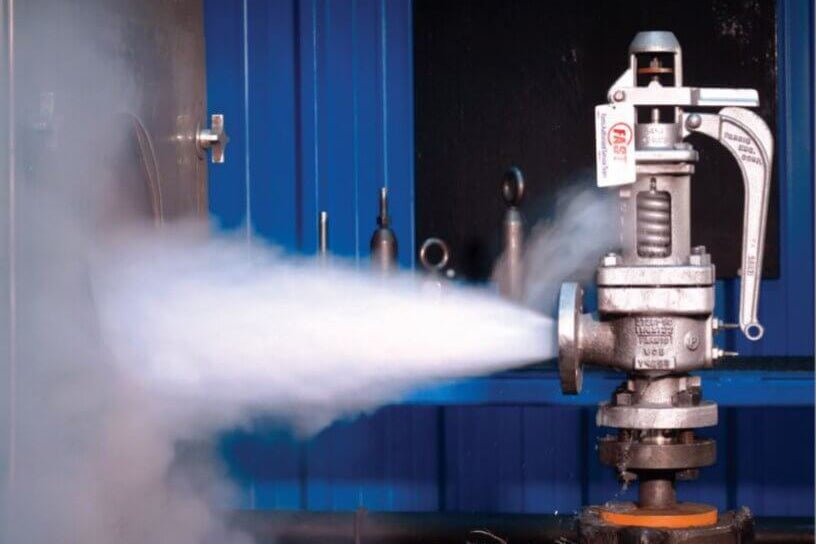
A PRV blow-off is essentially the process where a Pressure Relief Valve (PRV) releases excess pressure from a system. This action is critical in maintaining the safety and integrity of any pressurized system. When the system pressure exceeds the pre-set threshold, the PRV activates, allowing excess pressure to escape, thereby preventing possible damage or failure. The understanding of PRV blow-off is pivotal for engineers to ensure system safety and efficiency.
Components of a Pressure Relief Valve
To better understand PRV blow-off, it is essential to be familiar with the main components of a PRV. These include:
- Valve Inlet and Outlet: These are the points where the fluid enters and exits the valve.
- Spring Mechanism: This component is responsible for opening the valve when the pressure threshold is exceeded.
- Set Point Adjustment: This allows engineers to set the pressure at which the valve will open.
- Disc or Seat: The disc seals against the seat to prevent leaks when the valve is closed.
Why PRV Blow-Off is Crucial
The importance of PRV blow-off cannot be understated. In any industrial setting, maintaining system pressure within safe limits is vital to prevent accidents and equipment damage. PRVs are the last line of defense against over-pressurization, making them critical for safety protocols. A failure to properly understand and implement PRV blow-off can result in severe consequences, including system breakdowns, environmental hazards, and even loss of life.
Best Practices for PRV Maintenance
Regular maintenance of PRVs is essential to ensure they function correctly when needed. Here are some best practices:
- Conduct periodic inspections and functional tests to ensure the PRV is working as expected.
- Check for signs of wear and tear, especially on the valve seat and spring mechanism. For detailed insights on valve seat maintenance, visit valve seat wear and repair.
- Ensure that the PRV is properly oriented to prevent malfunctions. Learn more about the correct orientation at proper PRV orientation.
Common Issues and Troubleshooting
Understanding potential issues that can affect PRV performance is vital for troubleshooting. Common problems include:
- Leakage: This can occur if the valve seat is damaged or if the disc is not sealing properly.
- Chattering: Often caused by pulsations in the system. For more on this, read about pulsation in pressure relief valves.
- Improper Set Point: Ensure the set point is correctly calibrated to the system’s requirements.
The Role of Backpressure
Backpressure can significantly influence PRV performance. It is essential to understand how backpressure affects the valve’s operation and adjust the system accordingly. For an in-depth analysis, visit impact of system backpressure on PRV.
Technological Advancements in PRVs
Recent technological advancements have enhanced the functionality and reliability of PRVs. Innovations such as smart PRVs, which offer real-time monitoring and diagnostics, are becoming increasingly popular. These advancements ensure that PRVs are more efficient and provide better protection against over-pressurization.
Future Trends in PRV Technology
The future of PRV technology looks promising, with an emphasis on improving safety and efficiency. Emerging trends include the integration of IoT technology for predictive maintenance and the use of advanced materials to enhance durability and performance.
Case Studies: PRV Blow-Off in Action
Examining real-world case studies can provide valuable insights into the importance and effectiveness of PRV blow-off. These studies highlight how proper implementation can prevent disasters and ensure the smooth operation of industrial systems.
Industrial Applications of PRVs
PRVs are used across various industries, including oil and gas, chemical manufacturing, and power generation. Each industry has specific requirements and challenges, making it essential to tailor PRV solutions to meet these unique needs.
Conclusion: The Vital Role of PRV Blow-Off
Understanding PRV blow-off is essential for ensuring the safety and efficiency of pressure systems in industrial settings. By implementing best practices in maintenance and staying informed about technological advancements, engineers can optimize PRV performance and safeguard their systems. For further information on the differences between safety valves and relief valves, check out this external resource: safety valve vs relief valve.
FAQ Section
What is the primary function of a PRV?
The primary function of a PRV is to relieve excess pressure from a system to prevent over-pressurization, which can lead to potential system failure or damage.
How often should PRVs be tested?
PRVs should be tested regularly, at least once a year, to ensure they function correctly and maintain system safety.
What are the signs of a malfunctioning PRV?
Signs of a malfunctioning PRV include leakage, chattering, and an inability to maintain the set pressure point. Regular inspections can help identify these issues early.
This article contains affiliate links. We may earn a commission at no extra cost to you.