This article dives into the intricacies of troubleshooting smart valves. As technology advances, the control and optimization of fluid handling have become more sophisticated. Smart valves are a critical component in this evolution. However, the complexities inherent in their design can sometimes present challenges. Let’s explore the common issues faced and strategies to ensure efficient solutions.
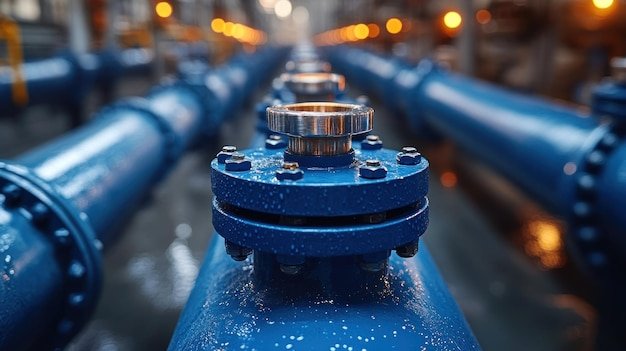
Understanding the Function of Smart Valves
Smart valves are vital in maintaining the efficacy of industrial systems and pipeline networks. By adding sensors and automation, these devices enhance control and monitoring capabilities. Nonetheless, their integration requires a solid understanding of their fundamental mechanics.
For more on the role of smart valves in modern systems, visit the comprehensive exploration by Smart Home Perfected.
Common Issues with Smart Valves
1. Sensor Malfunctions
Sensors are at the heart of smart valve operations. Over time, they may become less sensitive or completely fail. Common causes include environmental factors like temperature variations and dust accumulation.
2. Connectivity Problems
Connectivity is crucial for the effective operation of smart valves. Without reliable wifi or Bluetooth communication, data transmission can be interrupted, leading to operational inefficiencies.
Step-by-Step Troubleshooting Guide
Identify the Problem
Understanding the issue is the first step in troubleshooting smart valves. Begin by checking any error codes that may have been programmed into the system. Each code can guide you toward the specific problem area.
Conduct a Physical Inspection
Regular inspection can help identify any physical signs of wear and tear on the valve. Look for leaks, corrosion, and physical damage that could contribute to a valve’s underperformance.
Test Sensor Components
Sensor diagnosis requires meticulous attention. Assess the connections and cleanliness of sensor equipment. If theres an electronic interface, ensuring firmware is up-to-date is crucial.
Check out in-depth sensor maintenance tips on Valvex’s guide to smart valves.
Optimizing Smart Valve Functionality
Regular Maintenance
Daily and periodic maintenance are necessary to avoid system downtime and expensive repairs. This often involves cleaning the parts, checking connections, and ensuring software health.
Training Personnel
Who manages the smart valves also significantly impacts their efficiency. Ensuring that personnel are properly trained will positively impact the handling and troubleshooting of any issues that arise.
Gain insights from the importance of regular maintenance.
FAQs
How can I identify the error codes in smart valves?
Error codes are typically displayed on the system’s interface or smart application connected to the valve. Checking the manual can provide specific error code explanations.
What tools are essential for smart valve maintenance?
Essential tools include diagnostic software, basic mechanical tools, and sensor calibration kits. Having the right tools can simplify troubleshooting significantly.
Why is connectivity so vital for smart valves?
Connectivity ensures that the smart valve can communicate effectively within the system. Without it, essential data required for the operation and monitoring process may be lost.
If you’re keen to explore leading smart valve brands, visit Valvex.

Conclusion
Effective troubleshooting of smart valves is integral to maintaining industrial operational efficiency. With an understanding of the relevant issues and proactive strategies in place, these sophisticated devices can enhance system reliability and performance.
This article contains affiliate links. We may earn a commission at no extra cost to you.