The importance of training for relief valve safety cannot be overstated in industries where pressure systems are a critical component. Effective training ensures that industrial engineers and operators understand the mechanisms, operations, and maintenance of relief valves, thereby preventing potential hazards and ensuring operational efficiency.
Understanding Relief Valves
Relief valves serve as a critical component in maintaining system pressure within safe limits. They are designed to release excess pressure automatically when the system pressure exceeds a predetermined level. This prevents equipment damage, system failure, and potential hazards to personnel.
The Role of Relief Valves in Safety
Relief valves act as a safety mechanism, protecting systems from overpressure events. They ensure that pressure does not build up to dangerous levels, which could lead to catastrophic failures. Proper training on relief valve safety helps in identifying the right type of valve for specific applications, understanding pressure settings, and ensuring timely maintenance.
Components of a Relief Valve
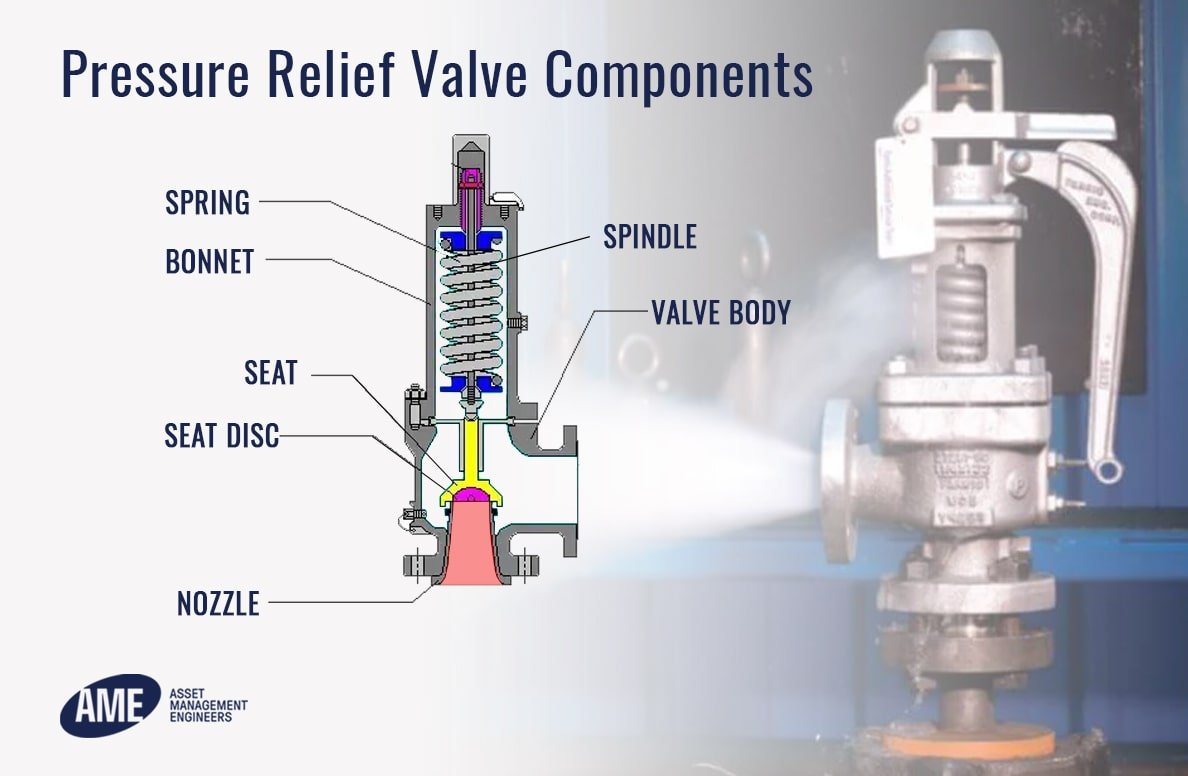
Understanding the components of a relief valve is essential for effective safety training. Key components include the valve body, seat, disc, spring, and actuator. Each component plays a crucial role in the valve’s operation and requires proper knowledge for maintenance and troubleshooting.
Valve Body
The valve body houses all other components and provides a passage for fluid flow. It must be designed to withstand the systems pressure and temperature conditions.
Seat and Disc
The seat and disc form the sealing surface of the valve. When the valve is closed, the disc rests on the seat, preventing fluid flow. Proper maintenance is crucial to prevent wear and ensure a tight seal.
Spring
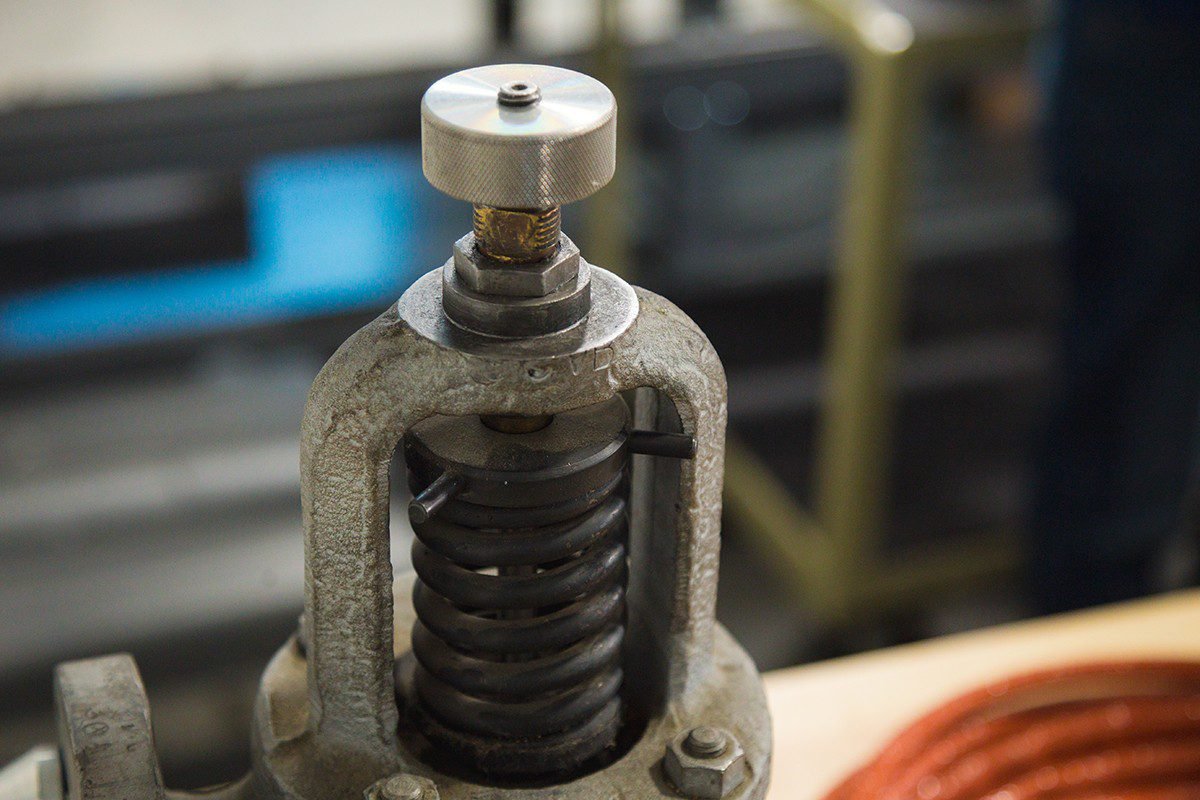
The spring applies pressure to the disc, keeping the valve closed until the system pressure exceeds the spring force. Understanding spring tension and its adjustment is vital for accurate valve operation.
Importance of Regular Maintenance
Regular maintenance is critical for ensuring the reliability of relief valves. It involves inspecting components for wear and tear, checking for leaks, and calibrating pressure settings. Proper training equips personnel with the skills needed to perform these tasks efficiently.
Signs of Valve Wear and Tear
Regular inspections can help identify signs of wear and tear, such as leaks, corrosion, and pressure setting drifts. Addressing these issues promptly can prevent valve failure and ensure operational safety.
Calibration and Testing
Calibration ensures that the valve opens at the correct pressure setting. Regular testing helps verify the valve’s response time and functionality. Training programs should include hands-on sessions for calibration and testing.
Training Programs for Relief Valve Safety
Effective training programs should cover the fundamentals of relief valve operation, maintenance procedures, and safety protocols. Training can be conducted on-site or through specialized courses offered by industry experts.
On-Site Training
On-site training provides practical experience, allowing personnel to work with actual equipment. It includes demonstrations of valve operations, maintenance tasks, and safety drills.
Specialized Courses
Specialized courses offer in-depth knowledge of relief valve systems, including advanced troubleshooting techniques. These courses are often conducted by industry experts and provide certifications upon completion.
Common Challenges in Relief Valve Management
Managing relief valves comes with its own set of challenges. These include selecting the right valve type, dealing with system backpressure, and ensuring proper valve orientation.
Selecting the Right Valve
Choosing the appropriate valve type for specific applications is crucial. Factors to consider include the system’s pressure and temperature conditions, fluid type, and required flow capacity.
Dealing with System Backpressure
System backpressure can affect the valve’s opening pressure and performance. Understanding the impact of backpressure is essential for accurate valve selection and operation. For more details, refer to System Backpressure.
Ensuring Proper Valve Orientation
Incorrect valve orientation can lead to operational issues and potential hazards. Proper training includes guidance on valve installation and orientation best practices. Learn more about this at Proper Valve Orientation.
The Role of Technology in Training
Advancements in technology have enhanced training methods for relief valve safety. Virtual reality (VR) and augmented reality (AR) offer immersive experiences, allowing personnel to practice tasks in a simulated environment.
Virtual Reality Training
VR training provides a risk-free environment for personnel to learn and practice valve operations and maintenance. It enhances understanding and builds confidence in handling real-world scenarios.
Augmented Reality Support
AR technology offers real-time assistance during maintenance tasks, providing step-by-step instructions and visual aids. This technology is particularly useful for troubleshooting and complex maintenance procedures.
The Future of Relief Valve Safety Training
The future of relief valve safety training lies in integrating technology with traditional training methods. As industries continue to evolve, continuous learning and adaptation are essential for maintaining safety standards.
Continuous Learning
Continuous learning ensures that personnel stay updated with the latest safety protocols and technological advancements. Regular training updates and refresher courses are crucial for maintaining safety standards.
Adapting to Industry Changes
As industries evolve, so too must safety training. Adapting to changes in technology, regulations, and industry practices is essential for effective safety management.
Conclusion
Training for relief valve safety is a critical component of industrial safety management. Effective training programs ensure that personnel are equipped with the knowledge and skills needed to operate and maintain relief valves safely. By embracing technological advancements and continuous learning, industries can enhance safety standards and prevent potential hazards.
Frequently Asked Questions
What is the purpose of a relief valve?
A relief valve is designed to release excess pressure from a system, preventing overpressure events that could lead to equipment damage or system failure.
How often should relief valves be tested?
Relief valves should be tested regularly, at least once a year, to ensure they are functioning correctly and opening at the designated pressure settings.
What training is required for relief valve safety?
Training for relief valve safety should cover valve operation, maintenance procedures, safety protocols, and hands-on practice with real or simulated equipment. Specialized courses and on-site training are recommended for comprehensive learning.
This article contains affiliate links. We may earn a commission at no extra cost to you.