Dealing with a water leak in the bathroom can be a frustrating and potentially costly problem if not addressed promptly. Whether it’s a leaking faucet, a dripping showerhead, or a more severe issue like a pipe burst, understanding how to stop bathroom water leak is crucial. This article aims to provide you with comprehensive guidance on identifying, fixing, and preventing water leaks in your bathroom.
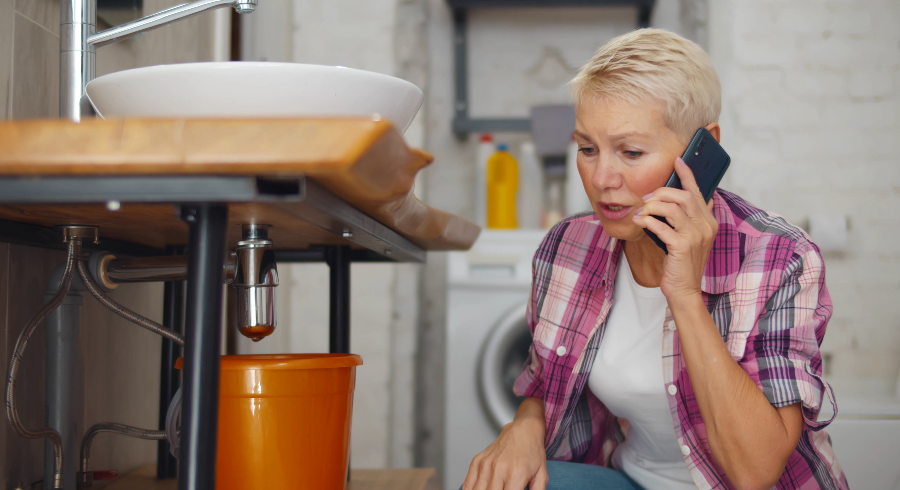
Understanding the Causes of Bathroom Water Leaks
Before you can effectively stop a bathroom water leak, it’s important to understand the common causes. Leaks can occur due to various reasons, including old or damaged plumbing, poor installation, or wear and tear over time. Identifying the root cause can help you choose the right solution.
Common Areas Prone to Leaks
- Sinks and Faucets
- Showers and Bathtubs
- Toilets
- Pipes and Fittings
How to Identify a Bathroom Water Leak
One of the first steps in addressing a leak is to identify its location. Look for signs such as water stains, mold growth, or an unexplained increase in your water bill. These indicators can help you pinpoint the source of the leak.
- Check under sinks for puddles.
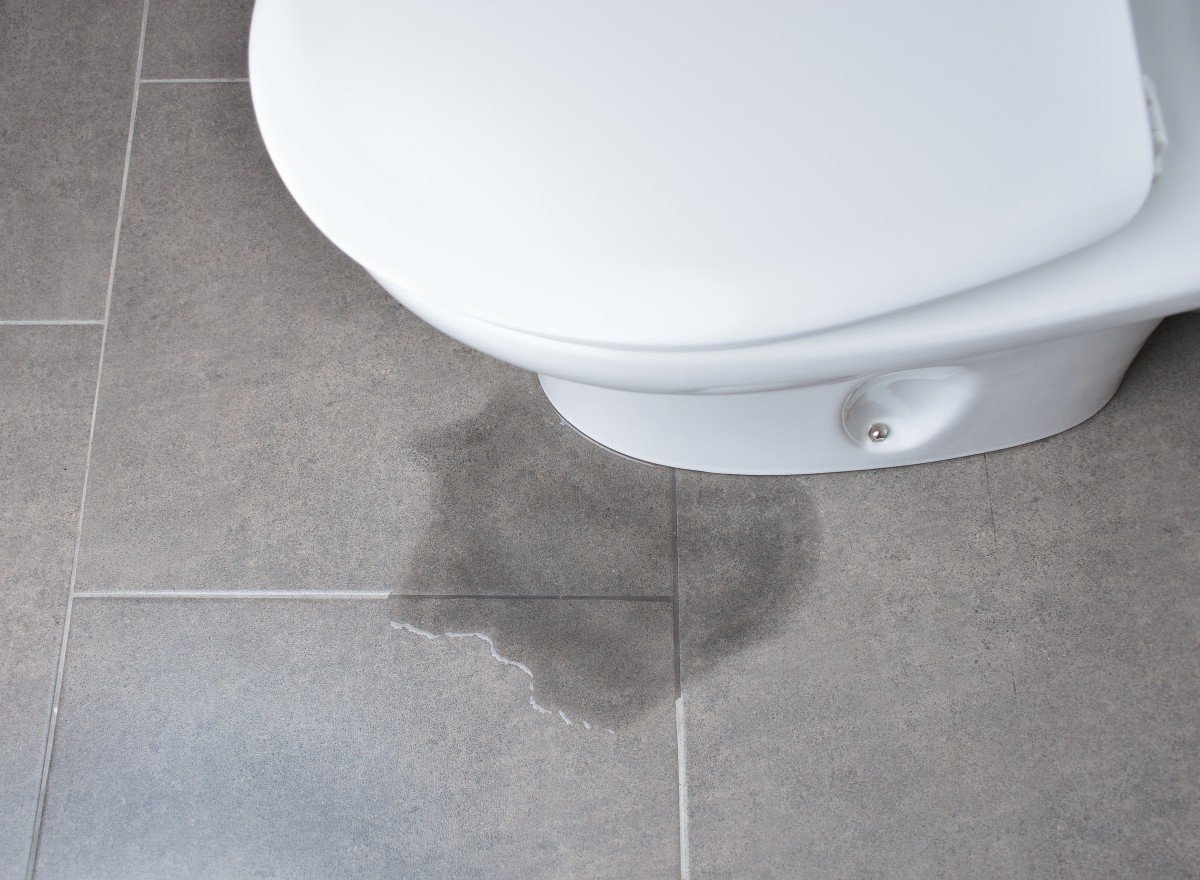
- Inspect around your toilet for moisture.
- Look for drips from showerheads or faucets.
Steps to Stop a Bathroom Water Leak
Once you’ve identified the source, it’s time to fix the leak. Here’s a step-by-step guide to help you:
1. Turn Off the Water Supply
Before you begin any repair work, ensure the water supply to the affected area is turned off. This will prevent further leakage and water damage.
2. Fixing a Leaky Faucet
For a leaking faucet, the solution might be as simple as replacing a worn-out washer or O-ring. If you’re not comfortable doing it yourself, consider seeking professional help.
3. Repairing Leaky Pipes
If the issue is with the pipes, you may need to replace a section of the pipe or tighten loose fittings. Use pipe sealant or plumber’s tape to ensure a secure fit.
Preventing Future Bathroom Water Leaks
Prevention is always better than cure. Regular maintenance can help you avoid future leaks. Here are some tips:
- Regularly inspect your bathroom for signs of wear and tear.
- Replace old and damaged fixtures promptly.
- Consider installing water leak detectors.
When to Call a Professional
Sometimes, the complexity of the leak might require professional intervention. If you’re unable to fix the leak yourself or if it involves major plumbing work, don’t hesitate to call a licensed plumber. They have the expertise and tools to handle complex issues.
Conclusion
Understanding how to stop bathroom water leak is essential for maintaining a functional and damage-free bathroom. By identifying the signs early, taking corrective action, and implementing preventive measures, you can protect your home from water damage. For a comprehensive guide on fixing leaks, visit fix bathroom leak on our website.
FAQs
What are the common signs of a bathroom water leak?
Common signs include water stains, mold growth, and an unexpected increase in your water bill. For more detailed information, check out this guide on hidden leaks.
How often should I inspect my bathroom for leaks?
It’s advisable to inspect your bathroom fixtures and plumbing every six months for signs of leaks or damage.
Can I use DIY methods to fix all bathroom leaks?
While many minor leaks can be fixed with DIY methods, more complex issues may require professional help. If you’re unsure, it’s best to consult a plumber.
This article contains affiliate links. We may earn a commission at no extra cost to you.