Introduction to Plumbing Automation
In today’s fast-paced world, the demand for efficient and automated systems is ever-growing. Plumbing automation is no exception. This guide aims to provide a detailed understanding of step-by-step plumbing automation and how it can benefit both residential and industrial settings.
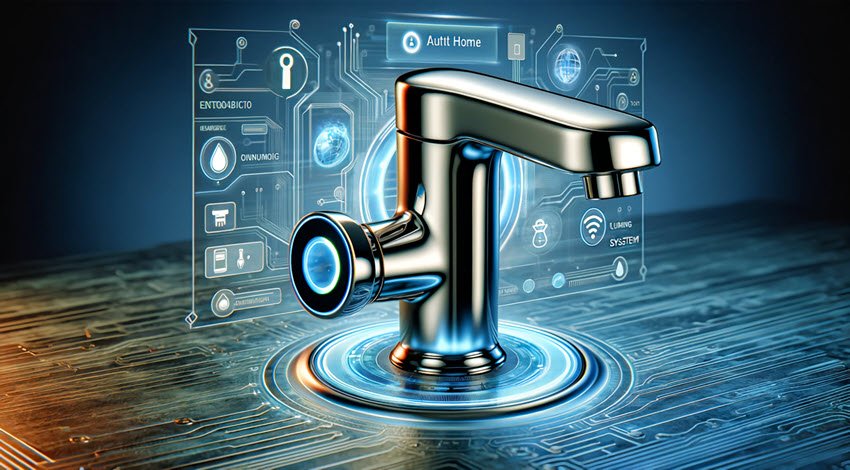
Plumbing automation involves integrating technology to manage and control plumbing systems efficiently. From smart water valves to automated leak detection, the possibilities are endless. Our focus here is on providing a step-by-step guide to help you understand and implement these systems seamlessly.
What is Plumbing Automation?
Plumbing automation refers to the use of advanced technology to enhance the efficiency and functionality of plumbing systems. This includes the integration of smart devices, sensors, and control systems that allow for remote monitoring and management.
Benefits of Plumbing Automation
- Improved efficiency and control
- Reduction in water wastage
- Cost savings on utility bills
- Enhanced safety through early leak detection
Getting Started with Step-by-Step Plumbing Automation
1. Assess Your Current System
Before diving into automation, it’s essential to evaluate your existing plumbing system. Identify areas where automation can be beneficial, such as leak detection, water flow control, and temperature regulation.
2. Research and Select the Right Tools
Choosing the right tools and devices is crucial. Consider factors like compatibility, ease of use, and cost. Smart water valves, for instance, are a popular choice for their ability to remotely control water flow and detect leaks. For more details, you can visit the smart water valves page.
3. Plan the Installation Process
Once you have selected the right tools, plan the installation process. This involves mapping out where each device will be placed and ensuring they are correctly integrated into your existing system.
4. Implement and Test
After installation, it’s crucial to test your system to ensure everything functions as expected. This includes checking for leaks, ensuring proper water flow, and testing remote monitoring capabilities.
Advanced Plumbing Automation Techniques
Smart Water Management
Smart water management involves using sensors and automated systems to optimize water usage. This can significantly reduce wastage and ensure efficient water distribution. For a deeper dive into this, check out the plumbing automation overview.
Leak Detection and Prevention
Advanced leak detection systems can identify potential leaks before they become significant issues. This not only saves water but also prevents damage to property.
Integrating AI in Plumbing Automation
Artificial Intelligence (AI) is revolutionizing plumbing automation by providing predictive analytics and real-time data monitoring. AI systems can predict potential failures and suggest maintenance schedules, ensuring optimal performance. For more insights, visit this AI in the plumbing business article.
The Future of Plumbing Automation
The future of plumbing automation is promising, with advancements in AI and IoT paving the way for more sophisticated systems. These technologies will offer even greater control and efficiency, making plumbing automation an integral part of modern living.
Conclusion
In conclusion, step-by-step plumbing automation offers numerous benefits, from increased efficiency to significant cost savings. By following this guide, you can successfully implement automation into your plumbing system, ensuring it meets modern demands and standards.

FAQs on Plumbing Automation
1. Is plumbing automation cost-effective?
Yes, while the initial investment may be higher, the long-term savings on water bills and reduced maintenance costs make it cost-effective.
2. Can I install plumbing automation systems myself?
While some systems can be DIY, it’s advisable to consult with a professional to ensure proper installation and integration.
3. What are the best devices for plumbing automation?
Smart water valves, leak detectors, and water flow controllers are among the most popular devices for plumbing automation.
This article contains affiliate links. We may earn a commission at no extra cost to you.