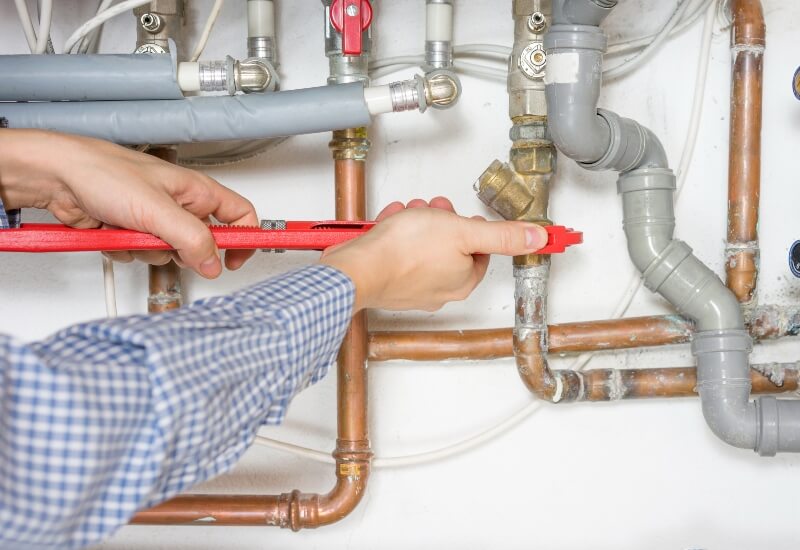

In today’s ever-evolving food industry, the implementation of advanced technologies is paving the way for enhanced operational efficiency and sustainability. Among these advancements, the smart valve for food processing stands out as a critical innovation. Designed to optimize the control systems within food processing facilities, these valves significantly improve production processes, ensuring higher quality and consistency. Smart valves are pivotal in achieving precision and automation in the context of Industry 4.0 technologies.
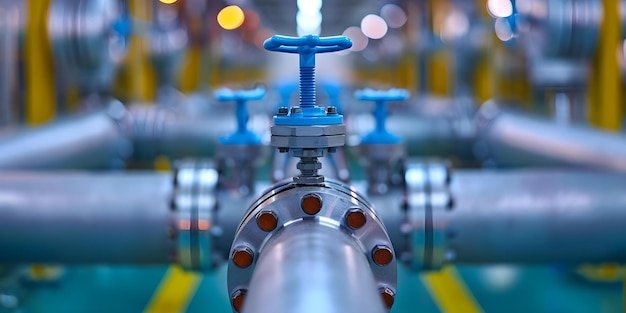
The Role of Smart Valves in Modern Food Processing
With an increasing demand for high-quality food products, the pressure on food processing industries to adopt efficient solutions is enormous. The introduction of smart valve technology aids in this transformational journey, making processes more efficient and sustainable.
Smart valves are equipped with sensors and control systems that allow them to continuously monitor and adjust the flow of materials. This not only enhances productivity but also ensures accuracy in ingredient mixing and consistent product quality.
Integration with Automation Systems
One of the most significant advantages of smart valves is their seamless integration with automation systems. By providing real-time data and feedback, these valves enable precise control over the entire production line, minimizing errors and reducing wastage. This is a crucial factor in maintaining competitiveness in a demanding market.
Benefits of Implementing Smart Valves
The implementation of smart valves in food processing facilities offers multiple benefits, each contributing to improved operational efficiency and product quality.
Enhanced Efficiency
Smart valves contribute to the automation of the entire processing line, reducing manual intervention and human errors. This automation leads to a smoother workflow and higher production rates without compromising on quality.
Energy Conservation
Energy efficiency is a critical concern for many industries today, and food processing is no exception. The smart valve technology allows precise control over processes, significantly reducing energy consumption.
Waste Reduction
By ensuring accurate ingredient measurement and process control, smart valves effectively minimize waste. This not only leads to cost savings but also supports a more sustainable operation.
Key Features of Smart Valves
The advanced design and technology behind smart valves make them indispensable within food processing environments. Here are some of their most noteworthy features:
Real-Time Monitoring
Equipped with advanced sensors, smart valves provide continuous monitoring of process variables such as pressure, flow rate, and temperature.
Remote Access and Control
Integration with IoT platforms allows operators to access real-time data and control valve operations remotely, ensuring timely interventions when necessary.
Self-Diagnosis and Predictive Maintenance
Smart valves can perform self-diagnostics, alerting maintenance teams about potential issues before they lead to costly breakdowns. This proactive approach supports effective maintenance scheduling and system reliability.
Challenges in Adopting Smart Valves
Despite the many advantages, the adoption of smart valves can present certain challenges for food processing plants:
Initial Investment Costs
Implementing smart valve technology requires significant upfront investment in terms of both finance and training. However, the long-term benefits and savings often justify these initial costs.
Workforce Training
The successful integration of smart valves requires a workforce skilled in operating and maintaining advanced systems. Continuous training programs should be implemented to keep the workforce aligned with the latest technologies.
Conclusion
The adoption of smart valve technology in food processing industries represents a significant advancement towards achieving higher efficiency, sustainability, and product quality. As this technology continues to evolve, the industry can expect further enhancements in operational capabilities and competitive edge. For more insights on how smart valves are revolutionizing diverse sectors, visit smart valve revolution. Leveraging these innovations holds promise for the future of food processing, contributing positively to both producers and consumers.
FAQs About Smart Valves in Food Processing
What Are Smart Valves?
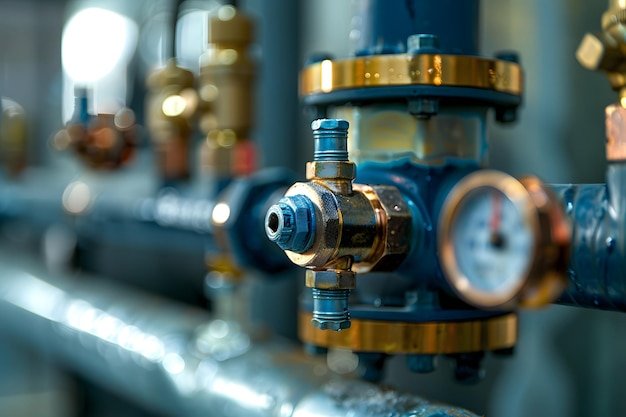
Smart valves are advanced control devices used in industrial settings to regulate the flow of liquids or gases.
Why Are Smart Valves Important?
Smart valves enhance the efficiency and accuracy of industrial processes, leading to improved product quality and operational efficiency.
What Are the Cost Implications?
While the initial costs of implementing smart valves may be high, the long-term savings from improved efficiency and reduced waste can be substantial. To understand more about potential cost savings, visit pipe maintenance insights.
This article contains affiliate links. We may earn a commission at no extra cost to you.