In a world where technology is reshaping industries, the innovation of smart valve features is transforming how we manage and control fluid systems. From home plumbing to large industrial applications, these features offer revolutionary solutions to common challenges. Understanding these capabilities can benefit industrial engineers, facility managers, and homeowners alike. Let’s delve into the remarkable world of smart valves.
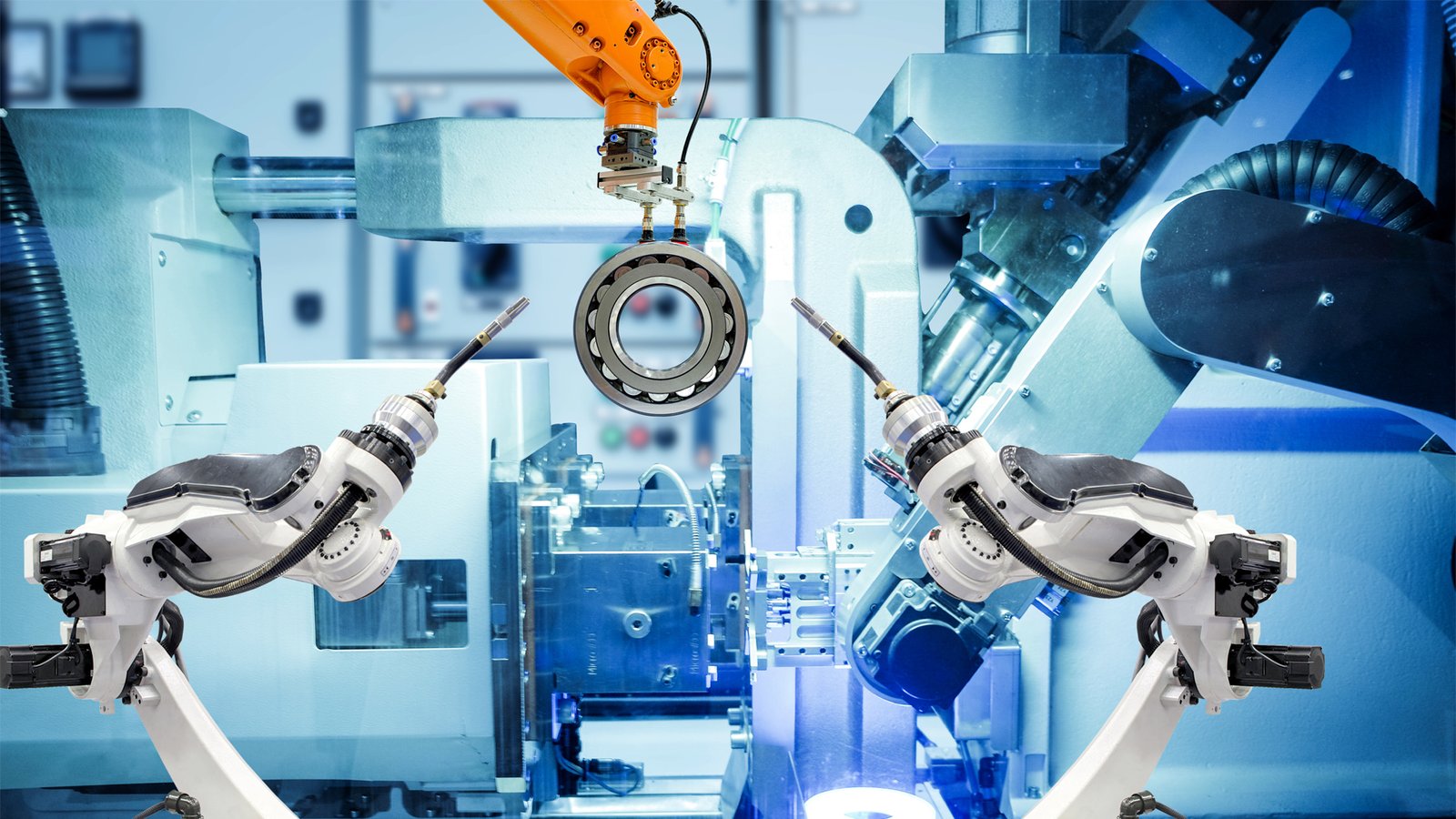
The Rise of Smart Valves in Modern Systems
Gone are the days when valves served as basic mechanisms for controlling flow. With the advent of smart technology, valves have become more than just operational units; they’re now strategic components in automated systems. Smart valve features allow seamless integration with smart grids and IoT devices, enhancing efficiency and performance.
Key Advantages of Smart Valves
The integration of smart valve features offers several notable advantages. Here are a few highlights:
- Real-time monitoring: These valves are equipped with sensors that provide live updates on flow rates, pressure levels, and temperature, ensuring optimal system performance.
- Remote control and automation: Through IoT connectivity, these valves can be monitored and adjusted from anywhere, providing unparalleled control and convenience.
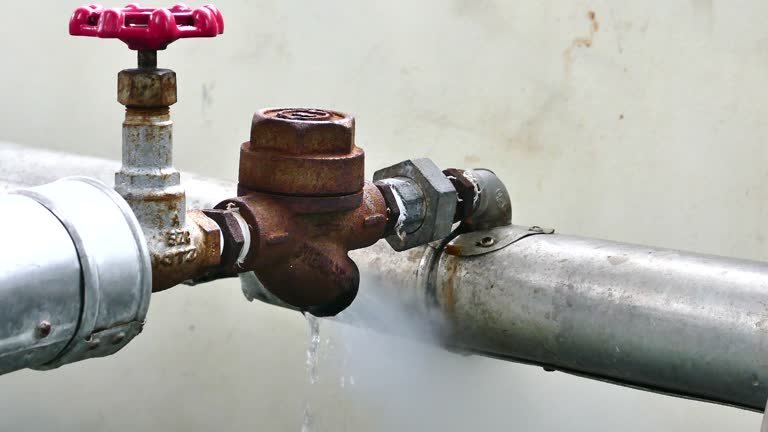
- Enhanced leak detection: As discussed in pipe leak issues, smart valves significantly reduce the risk of undetected leaks, saving resources and costs.
How Do Smart Valves Work?
The technology behind smart valve features involves a blend of mechanics and digital interfaces. Each valve is equipped with sensors that gather and transmit data, often through a centralized control system. This setup allows for continuous feedback and precise adjustments.
Smart Valves in Industrial Settings
Particularly in industrial settings, as explored in how smart valves are used, these valves offer enhanced durability and reliability. They manage high-pressure environments better, leading to fewer breakdowns and maintenance needs.
Applications Across Various Sectors
Smart valve technology isn’t confined to a single industry. From water treatment facilities to oil refineries and even domestic plumbing systems, these valves provide adaptable solutions across sectors. Key industries benefiting include:
- Oil and Gas
- Water Management
- HVAC Systems
- Manufacturing
Advancements in Smart Valve Technology
Continuous advancements in technology further enhance smart valve features. With new materials and designs, the valves become more efficient and durable. Advances in artificial intelligence also allow predictive maintenance, preventing failures before they occur.
The Environmental Impact
Environmental sustainability is a growing concern, and smart valves contribute positively by optimizing energy efficiency and reducing waste. By precisely monitoring and managing resources, these valves play a crucial role in forming sustainable solutions in industries.
Implementing Smart Valves in Your Infrastructure
For facilities looking to adopt smart valves, understanding the requirements and compatibility within existing systems is crucial. Reviewing resources such as how smart valves benefit plumbing can provide insights into efficient implementation.
Challenges in Adoption
Despite their benefits, the transition to smart valves can pose challenges, such as high initial costs and the requirement for technical expertise. However, the long-term savings and improved performance often outweigh the initial investments.
Future Perspectives
The future of smart valve technology is bright, with ongoing research in automation and data analytics. As these technologies advance, the functionality and efficiency of smart valves will continue to improve, offering even greater benefits.
Conclusion
In summary, smart valve features are revolutionizing fluid management across multiple industries. Their ability to integrate with modern technology makes them indispensable tools for improving efficiency, reducing costs, and securing sustainable futures. As industries evolve, embracing smart technology will be key to staying competitive.
FAQ Section
- Q: What exactly do smart valves do?
- A: Smart valves monitor and control fluid systems by utilizing real-time data to optimize performance, reduce waste, and allow remote adjustments.
- Q: Are smart valves cost-effective?
- A: While initial costs can be high, the efficiency gains and reduced maintenance often lead to long-term savings.
- Q: Can smart valves be integrated with existing systems?
- A: Yes, smart valves can be integrated with many existing systems, though technical expertise may be necessary for a seamless transition.
This article contains affiliate links. We may earn a commission at no extra cost to you.