In the modern world of smart homes and industrial systems, smart HVAC valve control plays a crucial role. This innovation is not just for technology enthusiasts but also for anyone interested in optimizing their living or work environment. As smart HVAC systems become more prevalent, understanding how they work can enhance comfort and efficiency. Here, we delve into what makes these systems beneficial and how they can transform ordinary spaces.

What is Smart HVAC Valve Control?
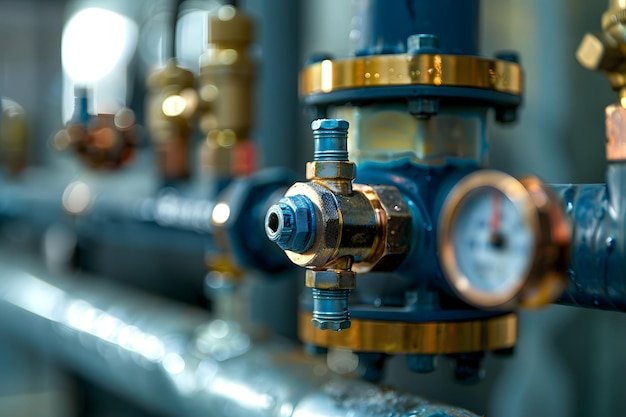
At its core, smart HVAC valve control is about using technology to facilitate precise climate management. These valves regulate the flow of water, air, or refrigeration fluid through a network of pipes, ensuring optimal operation based on real-time data. The primary advantage is its ability to adjust dynamically, responding to environmental changes and user preferences with ease.
Benefits of Smart HVAC Systems
Energy Efficiency
Smart systems significantly reduce energy consumption. They adapt to usage patterns, preventing unnecessary energy expenditure. This efficiency not only leads to reduced utility bills but also lessens environmental impact. Advances in smart valve technology emphasize this point by transforming how industry manages resources.
Enhanced Comfort
With smart HVAC valve control, comfort is at the forefront. These systems maintain steady temperature levels, ensuring that spaces remain cozy without manual intervention. Instead of constantly adjusting thermostats, individuals can enjoy a consistent climate tailored to their needs.
Applications in Industrial Engineering
Industrial engineers find smart HVAC systems particularly intriguing due to their multifaceted applications. In manufacturing and large office settings, these systems streamline operations by maintaining optimal working conditions and enhancing productivity.
Reducing Maintenance Costs
Regular maintenance is essential for any HVAC system, and smart controls simplify this significantly. By providing early alerts about potential issues, facilities can address problems before they escalate. For more insights on this, visit preventive pipe maintenance.
How Smart Valves Work
These valves use sensors and controllers that communicate via Wi-Fi or Bluetooth. By collecting data, they make smart decisions about flow adjustments, offering both flexibility and precision. They can be adapted to work with existing systems or be integral components of new systems.
Integration with Smart Homes
Integrating with broader systems like Alexa or Google Home, smart HVAC valves offer voice control and automation possibilities. This not only enhances user convenience but also aligns with the trend toward more interconnected living environments. Learn more about smart home plumbing.
Challenges and Considerations
Cost Implications
While initial investment may be higher, the long-term savings on energy and maintenance often justify the costs. However, it is important to carefully evaluate system compatibility and specific needs before investing.
Security Concerns
As with all connected devices, there are security considerations. Ensuring systems are protected from cyber threats is critical, and constantly evolving security measures are essential for maintaining system integrity.
Future of HVAC Technology
Innovations on the Horizon
With developments in AI and machine learning, smart HVAC valve control systems continue to evolve. The future might see even more autonomous systems that require minimal human intervention, further enhancing efficiency and convenience.
Environmental Impact
Sustainability is a significant focus for the future. The integration of smart technologies with renewable energy sources promises greener solutions that align with global environmental goals.
Conclusion
Smart HVAC valve control represents a leap forward in HVAC technology. By optimizing operations, enhancing comfort, and reducing costs, these systems stand out as key enhancers for modern living and industrial environments. Whether in residential or industrial settings, the adaptability and efficiency of smart systems make them invaluable assets. For further readings on valve technology, visit role of smart valves.
FAQs
What are smart HVAC valves?
Smart HVAC valves are components that regulate and optimize the flow in HVAC systems using sensors and IoT technologies.
Why invest in smart HVAC systems?
These systems offer energy efficiency, lower maintenance costs, and enhanced comfort, making them worth the investment.
Can smart valves integrate with existing systems?
Yes, most smart valves are designed to integrate with both new and existing systems seamlessly.
This article contains affiliate links. We may earn a commission at no extra cost to you.