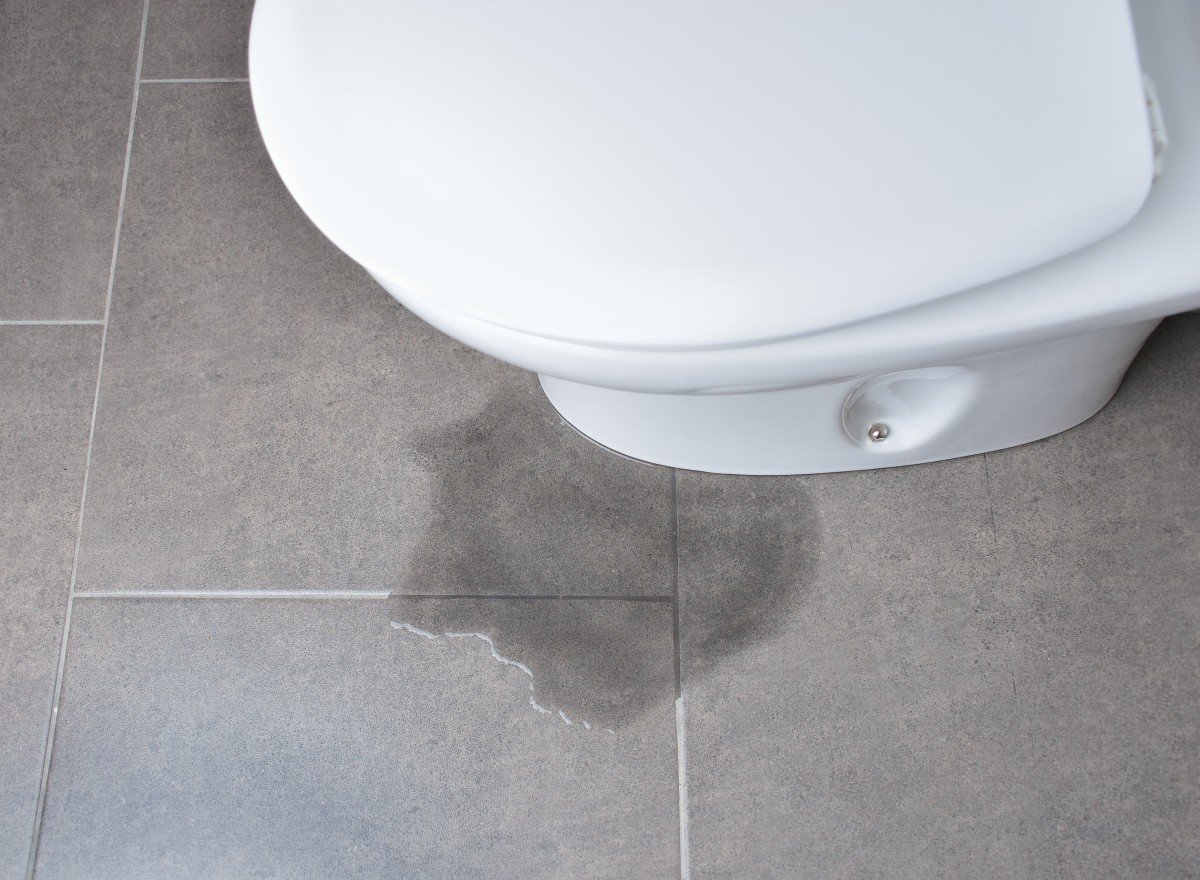
The issue of a slow leak in bathroom is a common yet often unnoticed problem in many households. A leak that goes undetected can lead to significant damage, including mold growth, structural issues, and increased water bills. Understanding the causes, detection methods, and solutions for a slow leak in bathroom is crucial for maintaining a healthy home environment.
What Causes a Slow Leak in Bathroom?
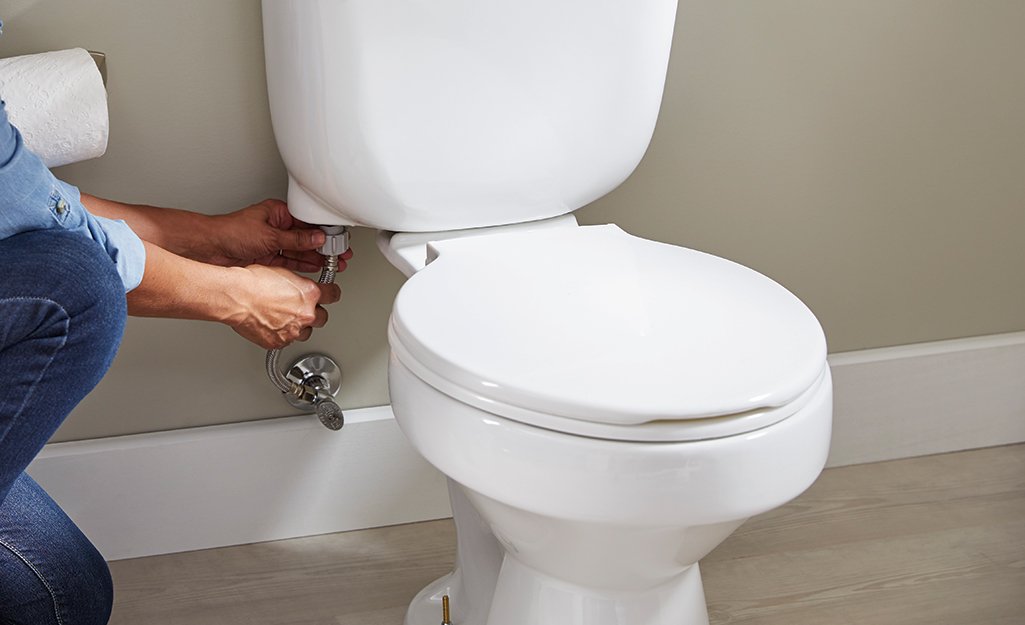
There are several factors that can contribute to a slow leak in bathroom. These include aging plumbing fixtures, poor installation, and wear and tear over time. Common culprits include leaking faucets, showers, or even toilets. Identifying these causes early can prevent more severe issues down the line.
Identifying Leaky Faucets
Faucets are one of the most common sources of leaks. A worn-out washer, O-ring, or corroded valve seat can easily result in a slow leak in bathroom. Regular maintenance and inspection can help identify these issues before they escalate.
Shower Leaks
Shower leaks can be particularly tricky to detect as they often occur behind walls. Signs of a shower leak include water stains on the ceiling below the bathroom or a musty smell. To learn more about tackling hidden leaks, visit leak behind wall.
Detecting a Slow Leak in Bathroom
Detection of a slow leak in bathroom requires vigilance and regular checks. Some tell-tale signs include unexpected increases in water bills, dampness, or a persistent musty odor.
Water Meter Test
A simple yet effective method to detect a leak is the water meter test. Turn off all water fixtures in your home and check your water meter. If the meter continues to run, you likely have a leak somewhere in your plumbing system.
Use of Leak Detectors
Modern technology offers various leak detectors that can help identify leaks quickly. These devices are particularly useful for preventing water damage in hard-to-reach areas.
Addressing the Issue
Once a slow leak in bathroom is detected, it is crucial to address it promptly. Ignoring the problem can lead to more severe damage and costly repairs.
DIY Fixes
Minor leaks, such as those from a faucet, can often be fixed easily with basic tools and replacement parts. For a step-by-step guide on fixing common bathroom leaks, visit how to fix a leak.
When to Call a Professional
For more complex issues, such as leaks within walls or ceilings, it is advisable to hire a professional plumber. They have the expertise and tools necessary to address the problem effectively.
Preventing Future Leaks
Preventive maintenance is key to avoiding future slow leak in bathroom issues. Regular inspections, proper use of plumbing fixtures, and timely repairs can significantly reduce the likelihood of leaks.
Regular Maintenance Checks
Conducting regular maintenance checks can help identify potential problems before they become severe. This includes inspecting visible plumbing fixtures and monitoring water bills for sudden increases.
Investing in Quality Fixtures
Investing in quality plumbing fixtures can also prevent leaks. Durable materials and well-made products tend to last longer and are less prone to leaks.
Conclusion
A slow leak in bathroom might seem like a minor inconvenience, but its effects can be damaging. By understanding the causes, detection methods, and solutions, homeowners can take proactive steps to address and prevent leaks. For more information on handling bathroom leaks, you can explore a detailed guide at common bathroom water leaks.
FAQ
How do I know if I have a slow leak in my bathroom?
Look for signs such as unexpected increases in water bills, musty smells, or damp spots. You can also use a water meter test to check for leaks.
Can a slow leak cause mold?
Yes, a slow leak in bathroom can lead to mold growth, which can be harmful to health. It’s essential to address leaks promptly to prevent such issues.
How much does it cost to fix a bathroom leak?
The cost can vary depending on the severity and location of the leak. Minor fixes may cost less, while complex leaks, such as those behind walls, may require professional help and could be more expensive. For more insights, consider reading about mold from leak.
This article contains affiliate links. We may earn a commission at no extra cost to you.