Recognizing the signs of bathroom leak is crucial for maintaining the integrity of your home. Leaks can cause significant damage if not addressed promptly, leading to costly repairs and potential health hazards. In this article, we’ll explore common indicators of leaks, how to detect them, and what steps to take for resolution.
Understanding the Importance of Detecting Leaks Early
Early detection of bathroom leaks can prevent extensive water damage. Leaks often start small and are easily overlooked, making it essential to be vigilant. By identifying issues early, homeowners can save on repair costs and avoid more severe problems down the line.
Common Signs of Bathroom Leak
1. Unexpected Water Bills
If you notice a sudden increase in your water bill without a change in usage, it might indicate a hidden leak. Comparing bills over several months can help identify unusual spikes.
2. Water Stains on Ceilings and Walls
Water stains are a telltale sign of leaks, often appearing as discolored patches on walls or ceilings. These stains suggest water is leaking from pipes or fixtures above.
3. Mold and Mildew Growth
Mold and mildew thrive in moist environments, making them common in areas with leaks. Look for dark spots or a musty smell in your bathroom, as these are indicators of excessive moisture.
4. Damaged Flooring
Warped or soft flooring can result from water seeping beneath tiles or linoleum. If the floor feels spongy or looks warped, investigate further for leaks.
5. Peeling Paint or Wallpaper
Moisture from leaks can cause paint to bubble or wallpaper to peel. These changes often indicate a leak behind the surface.
How to Detect Hidden Bathroom Leaks
1. Check Water Meter
Turn off all water sources and check your water meter. If the meter continues to move, it suggests a leak somewhere in your plumbing system.
2. Dye Test for Toilets
Add a few drops of food coloring to the toilet tank. Wait 15 minutes without flushing. If color appears in the bowl, the toilet has a leak.
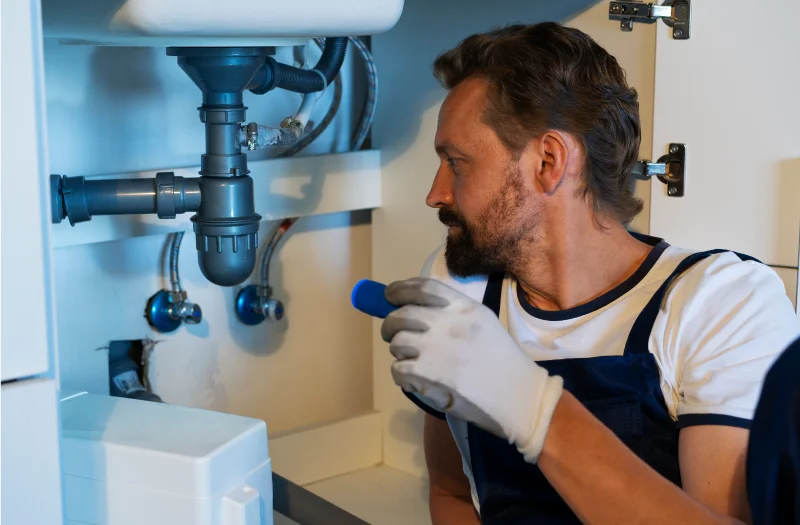
3. Inspect Under Sinks
Regularly check under sinks for dampness, water stains, or mold. These signs often indicate a leak in the plumbing connections.
4. Use a Moisture Meter
A moisture meter can help detect hidden moisture within walls and floors, identifying leaks that aren’t visible.
Steps to Fix Bathroom Leaks
1. Tighten Connections
Loose connections in pipes and faucets can cause leaks. Ensure all connections are secure and tighten any that are loose.
2. Replace Worn Seals
Seals around bathtubs and sinks can wear out over time, leading to leaks. Replace these seals to prevent water from escaping.
3. Call a Professional Plumber
If you’re unable to locate or fix the leak, it’s best to consult a professional. A plumber can diagnose the issue and provide a solution.
Preventive Measures
1. Regular Inspections
Conduct regular inspections of your bathroom plumbing to catch potential issues early. This proactive approach can save time and money.
2. Install Water Leak Detectors
Consider installing water leak detectors in your bathroom. These devices alert you to leaks, allowing for quick action.
3. Maintain Plumbing Fixtures
Regularly maintain and replace aging plumbing fixtures to prevent leaks. Proper maintenance extends the life of your plumbing system.
Additional Resources
For more information on smart plumbing solutions, visit Valvex Smart Plumbing. Learn about the signs you have a leak to further safeguard your home.
FAQ
1. What are the first signs of a bathroom leak?
The first signs include unexpected water bills, water stains, mold, and damage to floors or walls.
2. Can bathroom leaks cause health issues?
Yes, leaks can lead to mold growth, which poses health risks like respiratory problems.
3. How can I prevent bathroom leaks?
Regular inspections, maintaining plumbing fixtures, and using leak detectors can help prevent leaks.
This article contains affiliate links. We may earn a commission at no extra cost to you.