
A clogged shower drain can be a nuisance, leading to slow drainage, unpleasant odors, and even water damage. Understanding the signs of a clogged shower drain is crucial for maintaining a healthy and efficient bathroom. In this article, we will explore the common symptoms of a clogged shower drain and offer tips on how to address them effectively.
What Causes a Shower Drain to Clog?
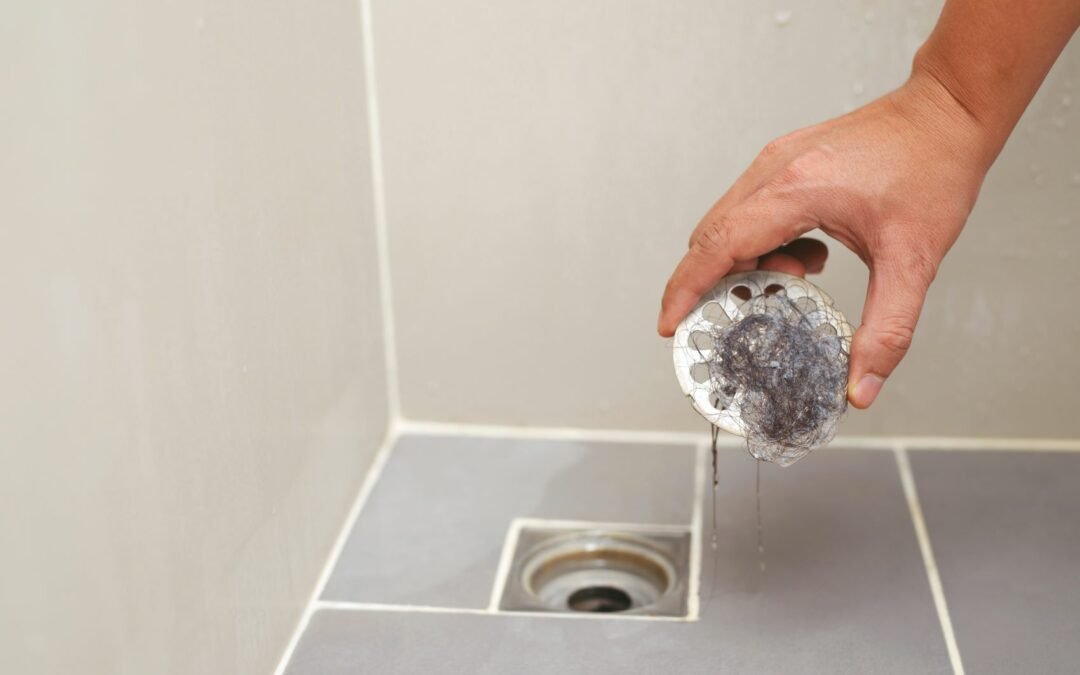
Before diving into the signs of a clogged shower drain, it’s essential to understand what causes these clogs in the first place. Hair, soap scum, mineral buildup, and foreign objects are the primary culprits. These materials can accumulate over time, leading to blockages that hinder water flow.
Common Signs of a Clogged Shower Drain
Slow Drainage
One of the most noticeable signs of a clogged shower drain is slow drainage. If you notice that water is taking longer than usual to go down the drain, it may be time to investigate further.
Unpleasant Odors
An unpleasant smell coming from your shower drain is another indicator of a clog. This odor is often caused by trapped debris and bacteria buildup.
Standing Water
If water pools around your feet during a shower, this is a clear sign of a clog. Standing water can also lead to mold growth and water damage if not addressed promptly.
Strange Noises
Gurgling or bubbling sounds coming from the drain can indicate trapped air caused by a blockage. These noises should not be ignored as they can signal a more severe issue.
How to Fix a Clogged Shower Drain
Use a Plunger
A plunger can be an effective tool for dislodging minor clogs. Ensure the plunger’s cup covers the drain entirely and use firm, consistent pressure to create suction.
Try a Drain Snake
For more stubborn clogs, a drain snake can help. Insert the snake into the drain and rotate it to catch and remove debris. For detailed instructions, you can refer to this guide on using a drain snake.
Utilize Baking Soda and Vinegar
This natural method involves pouring baking soda followed by vinegar down the drain. Allow the mixture to sit for a few minutes before rinsing with hot water.
Professional Help
If the above methods fail, it might be time to call a professional plumber. They have the tools and expertise to address severe blockages effectively. For more information on handling and preventing clogs, you can visit this external resource.
Preventing Future Clogs
Regular Cleaning
Maintaining your shower drain by cleaning it regularly can prevent clogs. Remove hair and debris after each shower and use a drain cover to catch larger particles.
Addressing Mineral Buildup
Hard water can lead to mineral buildup in your pipes. To prevent this, consider using water softeners or regularly cleaning your drain with vinegar. For more tips, check out this resource on clearing mineral buildup.
Avoiding Harsh Chemicals
While chemical drain cleaners can be effective, they can also damage your pipes over time. Opt for natural cleaning methods to protect your plumbing system. For more information, visit this guide on cleaning without chemicals.
FAQs
How often should I clean my shower drain?
For optimal performance, it’s recommended to clean your shower drain at least once a month.
Can I use a regular plunger for my shower drain?
Yes, a standard plunger can be used for minor clogs in a shower drain.
What should I do if my drain is still clogged after trying home remedies?
If home remedies fail, it’s best to contact a professional plumber to assess and fix the issue.
This article contains affiliate links. We may earn a commission at no extra cost to you.