
Walk-in showers have become a popular choice for modern bathrooms, offering a sleek design and accessibility. However, like any other part of your home, they are not without their challenges. One of the most common problems homeowners face is shower drain issues in walk-in showers. Understanding these issues and how to address them is crucial for maintaining your bathroom’s functionality and hygiene.
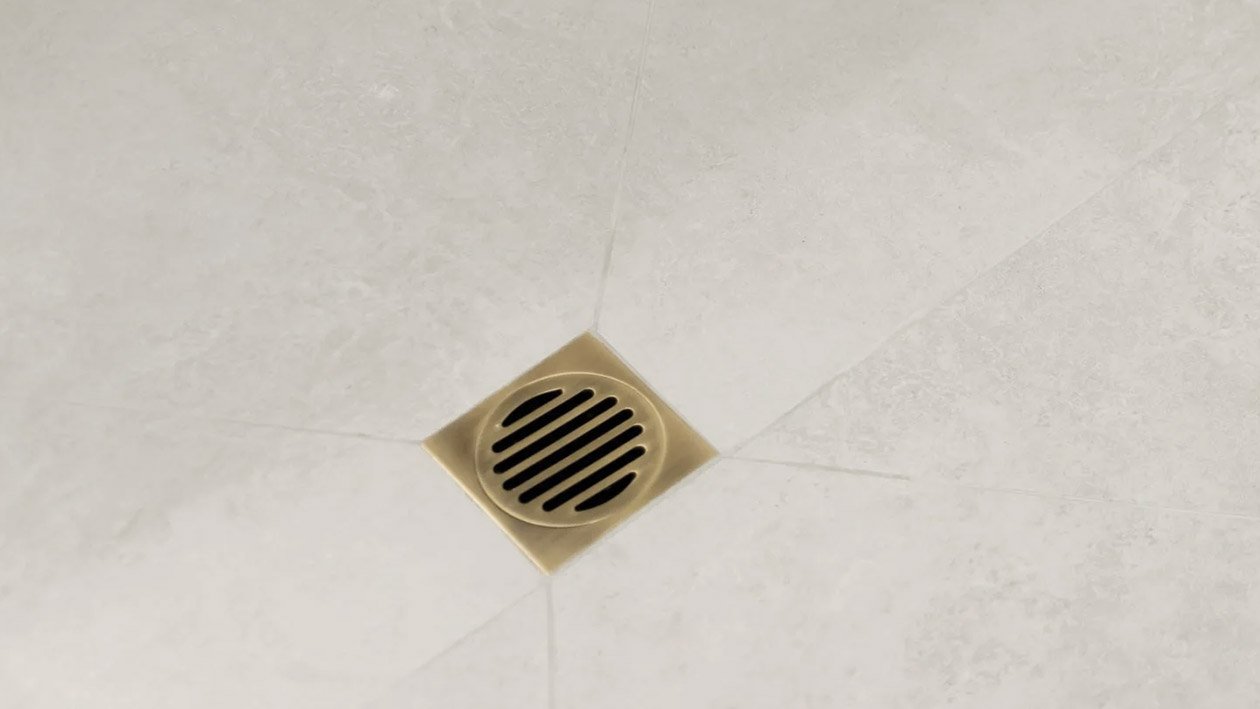
Understanding Common Shower Drain Issues
The first step in addressing shower drain issues is understanding what they are. These problems can range from clogs, slow drainage, to leaks. Each of these issues can have different causes and solutions. In this article, we will dive deep into these common problems, their causes, and how you can resolve them effectively.
Clogs in Shower Drains
Clogs are perhaps the most common issue with shower drains. They are often caused by a buildup of hair, soap scum, and other debris. Over time, this accumulation can prevent water from flowing freely, leading to slow drainage or complete blockages.
Causes of Shower Drain Clogs
Understanding the cause of clogs can help in preventing them. Hair is a primary culprit, as it can easily get trapped in the drain. Soap, shampoo, and conditioner residue can also contribute to clogs by combining with hair and other debris to form a solid mass.
Solutions for Clogged Drains
There are several ways to address clogged shower drains. Regular cleaning and maintenance can prevent clogs from forming in the first place. Additionally, using a drain cover can catch hair and other debris before it enters the drain. For existing clogs, a plunger or a plumbing snake can often clear the blockage. For stubborn clogs, you may need to use a chemical drain cleaner or call a professional plumber.
Slow Draining Showers
Another common issue is slow drainage, where water pools in the shower instead of draining quickly. This can be caused by partial clogs or improper installation of the shower drain.
Reasons for Slow Drainage
Partial clogs, similar to those that cause complete blockages, can slow down the flow of water. Additionally, if the shower drain was not installed correctly, it may not have the proper slope needed for efficient drainage.
Fixing Slow Drain Issues
To fix slow drainage, you can start by removing any visible debris from the drain. If the problem persists, check the installation of your shower drain. Ensuring that the drain has the correct slope can significantly improve water flow. If these solutions do not work, it may be time to consult a professional plumber.
Shower Drain Leaks
Leaks are another serious issue that can occur with shower drains. They can lead to water damage in your home if not addressed promptly.
Identifying Leaks
Leaks can be difficult to spot because they are often hidden beneath the shower floor. Look for signs of water damage, such as discoloration or warping, in the areas surrounding your shower. If you suspect a leak, it is important to address it immediately to prevent further damage.
Repairing Shower Drain Leaks
Repairing leaks typically requires a professional. A plumber can identify the source of the leak and repair or replace the necessary components. To prevent leaks, ensure that your shower drain is installed correctly and regularly inspected for any signs of wear or damage.
When to Call a Professional
While many shower drain issues can be addressed with simple DIY solutions, there are times when it is best to call a professional. If you are unable to clear a clog, if slow drainage persists, or if you suspect a leak, a professional plumber can provide the expertise needed to properly address the problem.
Preventing Shower Drain Issues
Prevention is key when it comes to maintaining a functional and hygienic shower. Regular maintenance, such as cleaning the drain and checking for leaks, can help prevent many common issues. Additionally, using a drain cover and being mindful of what goes down the drain can reduce the likelihood of clogs.
Conclusion
Maintaining a walk-in shower involves more than just keeping it clean. By understanding and addressing shower drain issues, you can ensure that your shower remains a functional and enjoyable part of your home. Regular maintenance and timely professional help when needed can go a long way in preventing and resolving these common problems.
FAQs
Q: How can I prevent clogs in my shower drain?
A: Regular cleaning, using a drain cover, and avoiding putting debris down the drain can help prevent clogs. For more tips, visit prevent shower drain leaks.
Q: What should I do if my shower drain is slow?
A: Remove any visible debris and check for proper installation. If the problem persists, consider consulting a professional plumber. Find more about this here.
Q: How can I tell if my shower drain is leaking?
A: Look for signs of water damage around your shower. If you suspect a leak, it is best to call a professional plumber. For further guidance, read more at shower drain odor.
This article contains affiliate links. We may earn a commission at no extra cost to you.