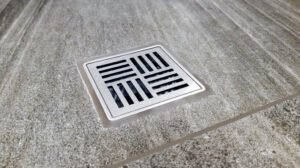
In the world of plumbing, safety and efficiency are crucial, particularly in areas prone to flooding like basements. The concept of a sensor valve for basements has introduced a revolutionary approach for managing water flow and preventing potential flooding. Whether you’re an industrial engineer, plumber, or a homeowner looking to secure your property, understanding how these sensor valves work can help save time and resources.
Basements are susceptible to leakages that can cause extensive water damage. The struggle of maintaining a dry basement is one faced by many. Therefore, installing a sensor valve for basements becomes crucial as an effective, modern solution to avoid water-related disasters.
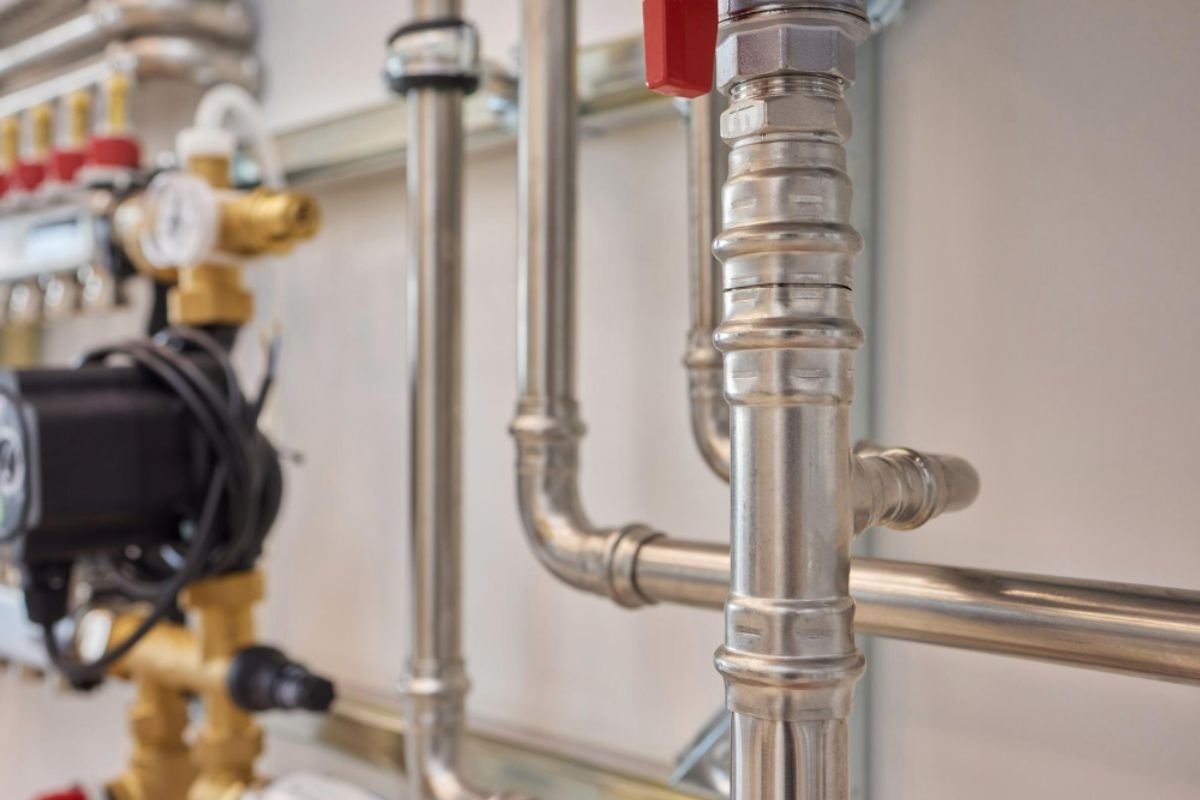
What is a Sensor Valve?
A sensor valve is a device equipped with sensors to detect moisture or potential leaks. Once a leakage is detected, it either sends an alert or automatically shuts off the water supply to prevent further damage. Such technology is invaluable in keeping basements dry and homes safe from the adverse effects of water damage.
Why Basements Need Sensor Valves
Basements are usually the first areas to flood during heavy rainfalls or plumbing failures. The introduction of a sensor valve for basements helps in early detection of these risks. Industrial engineers and homeowners alike benefit from these systems as they help in managing water leaks with precision, providing peace of mind and additional security.
As noted in pipe maintenance articles, regular inspections can help prevent disasters. Here’s where sensor valves profoundly contribute by automatically identifying issues before they escalate.
Advantages of Sensor Valve Installation
Installing sensor valves come with numerous benefits. Some of these include:
- Automatic Leak Detection: The primary advantage is the automatic detection and reporting of leaks, allowing for immediate action.
- Reduced Water Bills: By proactively managing leaks, sensor valves prevent water wastage, leading to lower bills.
- Property Protection: They help avoid structural damage to basements and other property areas prone to leaks.
Technical Aspects of Sensor Valves
Understanding the technical aspects of sensor valves is vital for engineers. These valves typically use humidity sensors, float switches, or pressure sensors to detect water presence. Once activated, they can trigger alarms or automatically close the water valves, preventing any further leakage or damage to the basement premise.
Choosing the Right Sensor Valve
Choosing an appropriate sensor valve depends on various factors like the type of valve, specific project needs, and cost considerations. Consider working with industry experts or consulting resources like smart valve in industry to identify the best fit for your project requirements.
Integration with IoT Systems
Sensor valves can be integrated with IoT systems for enhanced functionality. This integration allows homeowners and engineers to monitor the status of their plumbing systems remotely, receive alerts, and maintain optimum functionality.
Practical Applications in Industrial Spaces
In industrial settings, sensor valves are becoming more prevalent due to their ability to safeguard expensive equipment and maintain uninterrupted processes. Several industries have shared success stories on implementing sensor valve systems to protect industrial property, as highlighted in industry focused valve innovations.
Installation and Maintenance of Sensor Valves
Proper installation and routine maintenance of sensor valves are crucial for optimal performance. Engaging with professionals for proper setup and regular checks can mitigate the chances of valve failures and ensure a prolonged lifespan of your plumbing system.
Potential Challenges and Solutions
While sensor valves are highly effective, there might be challenges in terms of initial setup costs and technology compatibility. Engineers and homeowners should focus on the long-term savings potential and enhanced safety to justify the initial investment.
Real-life Case Studies
There are numerous case studies reflecting the practical benefits derived from installing sensor valves in basements. These systems have effectively minimized damage in regions prone to flooding and have preserved the structural integrity of properties.
Future Prospects of Sensor Valves
The future of sensor valves is promising as technology advances. Improved sensor accuracy and enhanced integration with smart home systems will make these valves more efficient and affordable for homeowners and industries alike.
Conclusion: Secure Your Basement Today
Investing in a sensor valve for basements can save significant amounts regarding damages, repair costs, and water bills. For anyone looking to enhance their homes safety, particularly in high-risk flood zones, sensor valves represent a crucial investment.

FAQs
What is the primary benefit of a sensor valve?
The primary benefit of a sensor valve is its ability to detect leaks automatically and prevent potential flooding by shutting off water flow or sending alerts.
Can sensor valves be integrated with smart home systems?
Yes, sensor valves can be integrated with smart home systems, allowing for remote monitoring and control.
Are sensor valves expensive to install?
While the initial setup cost of sensor valves may be higher, the long-term benefits in terms of water savings and damage prevention often outweigh the initial investment.
This article contains affiliate links. We may earn a commission at no extra cost to you.