In the industrial sector, ensuring the safe relief valve venting is crucial for maintaining operational efficiency and safety. These valves play a vital role in managing pressure within systems, preventing potential hazards. Understanding the mechanisms behind safe relief valve venting is essential for engineers and technicians working in industries where pressure management is a priority.
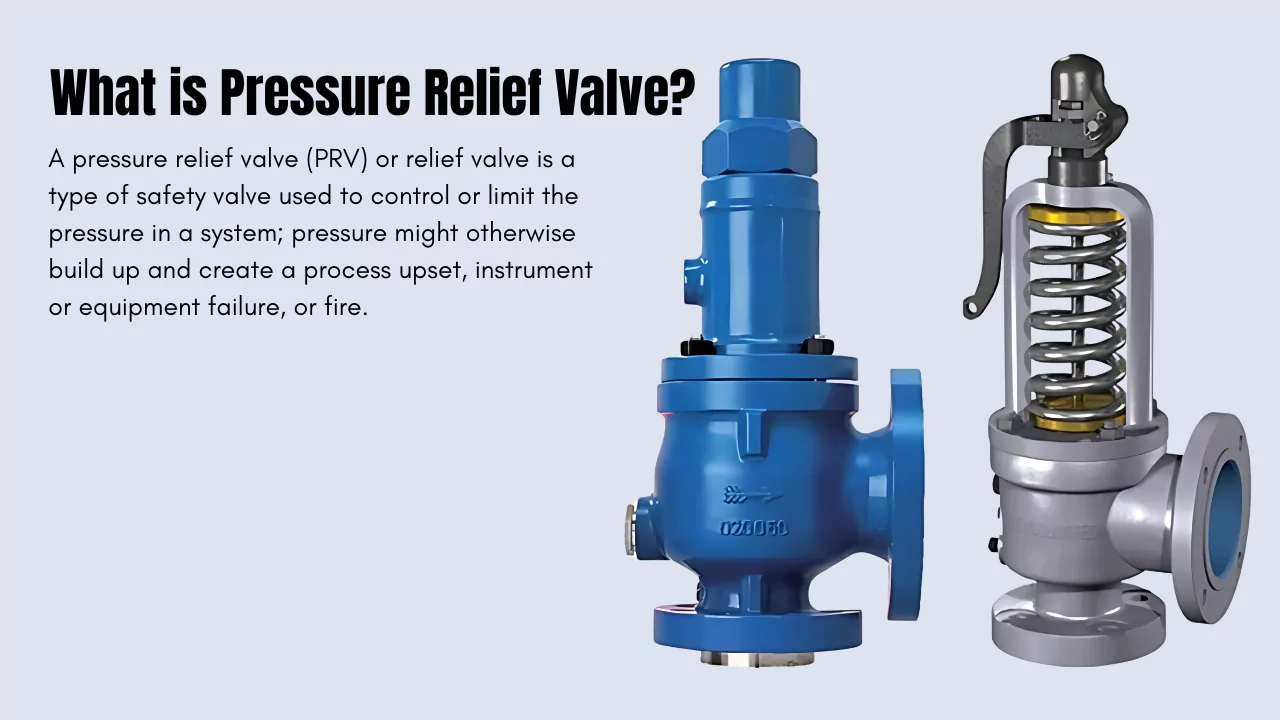
Understanding Relief Valves
Relief valves are designed to control or limit the pressure in a system. They function by opening at a predetermined set pressure to relieve excess pressure, thus preventing potential system failures. The process of venting safely is integral in maintaining the integrity of the system.
The Importance of Safe Venting
Safe venting is critical to avoid the risks associated with overpressure, which can lead to equipment damage, explosions, or other catastrophic failures. When a relief valve vents properly, it protects both the equipment and personnel by ensuring that pressure levels remain within safe limits.
Components of a Relief Valve System
Understanding the components of a relief valve system helps in ensuring its proper function. These include the valve body, actuator, and the set pressure mechanism. Each component must work harmoniously to ensure effective venting.
Valve Body
The valve body is the main component, which houses the internal parts of the valve. It must be robust and capable of withstanding high pressure and temperatures.
Actuator
The actuator is responsible for opening and closing the valve. It responds to pressure changes and ensures that the valve opens when necessary.
Set Pressure Mechanism
This mechanism determines when the valve will open. It is critical to set this pressure accurately to ensure the system operates within its safe parameters.
Installation and Maintenance
Proper installation and regular maintenance of relief valves are key to ensuring their reliability. Incorrect installation can lead to malfunction, while regular maintenance helps in identifying potential issues before they become serious problems. For detailed guidelines, refer to our PRV troubleshooting guide.
Installation Tips
Ensure that the valve is installed in a position where it can function without obstruction. The inlet size must match the pipe size to avoid flow restrictions.
Maintenance Practices
Regular inspections and testing are necessary to ensure that the relief valve operates correctly. Lubrication and cleaning of components are also part of routine maintenance.
Standards and Regulations
Adhering to industry standards and regulations is crucial for safety. The ASME code provides comprehensive guidelines for the design and operation of relief valves. Compliance ensures that the systems are safe and efficient.
ASME Standards
The American Society of Mechanical Engineers (ASME) sets the standards for relief valves, ensuring they meet specific safety and performance criteria.
Regulatory Compliance
Compliance with local and international regulations is necessary to avoid legal issues and ensure operational safety. Engineers should stay informed about any changes in regulations.
Challenges in Safe Venting
Despite their importance, challenges in safe venting can arise due to improper installation, lack of maintenance, or incorrect valve selection. Addressing these challenges requires a thorough understanding of the system and its requirements.
Improper Installation
Improper installation can lead to valve failure. It is essential to follow manufacturer instructions and industry standards during installation.
Lack of Maintenance
Neglecting regular maintenance can result in valve malfunction. Scheduled inspections and maintenance are necessary to ensure reliability.
Incorrect Valve Selection
Selecting the wrong type of valve for a specific application can lead to inefficiencies and safety risks. Consulting with experts and understanding system requirements is critical.
Benefits of Proper Venting
Proper venting of relief valves offers numerous benefits, including improved safety, increased equipment lifespan, and enhanced operational efficiency. It also minimizes the risk of environmental hazards and legal liabilities.
Safety Enhancement
By preventing overpressure, safe venting enhances the safety of both personnel and equipment, reducing the likelihood of accidents.
Operational Efficiency
Efficient venting ensures that the system operates smoothly, reducing downtime and maintenance costs.
Environmental Protection
Proper venting prevents the release of hazardous materials into the environment, contributing to sustainability efforts.
Advanced Technologies in Relief Valves
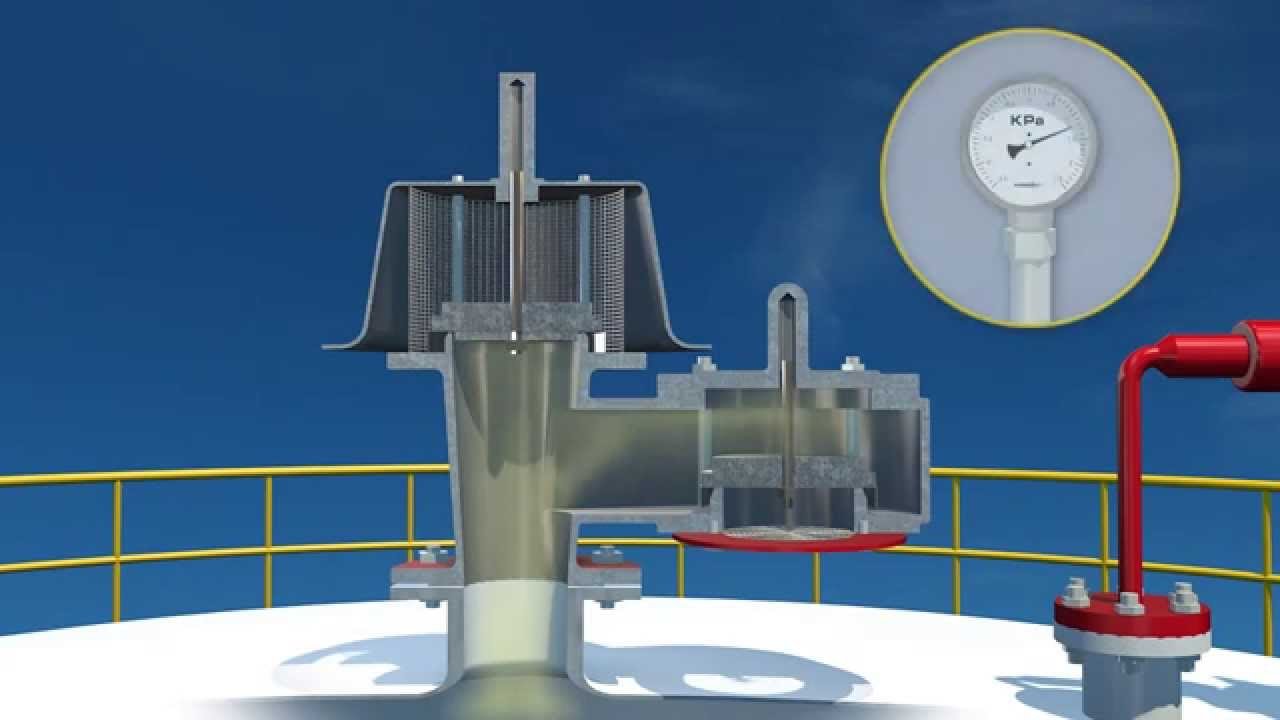
Technological advancements have led to the development of more sophisticated relief valve systems, enhancing their reliability and efficiency. These technologies include smart sensors and automated systems that provide real-time monitoring and control.
Smart Sensors
Smart sensors enable real-time monitoring of pressure levels, providing alerts for potential issues and ensuring timely intervention.
Automated Systems
Automation in relief valve systems allows for precise control and operation, reducing the risk of human error.
Real-time Monitoring
Real-time monitoring systems provide continuous data on valve performance, enabling proactive maintenance and emergency response.
Future Trends
The future of relief valve technology looks promising, with ongoing research and development focused on improving efficiency and safety. Innovations in materials and design are expected to enhance valve performance further.
Innovations in Materials
New materials with higher resistance to corrosion and temperature extremes are being developed, extending the lifespan of relief valves.
Design Improvements
Innovative designs aim to improve the flow characteristics and reliability of relief valves, ensuring better performance.
Sustainability Focus
There is a growing emphasis on sustainable practices in valve manufacturing and operation, aligning with global environmental goals.
External Resource
For more in-depth information on the differences between safety and relief valves, consider exploring external resources like this detailed comparison.
FAQs
What are the types of relief valves?
There are several types of relief valves, including pressure relief valves, safety valves, and vacuum relief valves. Each type is designed for specific applications and pressure conditions.
Why is regular maintenance of relief valves important?
Regular maintenance is crucial to ensure the proper functioning of relief valves, preventing malfunctions and ensuring system safety.
How do smart sensors improve relief valve performance?
Smart sensors provide real-time data on pressure conditions, enabling timely interventions and enhancing overall system safety and efficiency.
For more information on the design standards and specifications of relief valves, visit our resources.
This article contains affiliate links. We may earn a commission at no extra cost to you.