Residential valve automation has transformed the way we manage water flow and safety in our homes. This technology is not only convenient but also essential in preventing water wastage and ensuring home safety. With the increasing demand for smarter homes, integrating automated valves has become a priority for many homeowners.
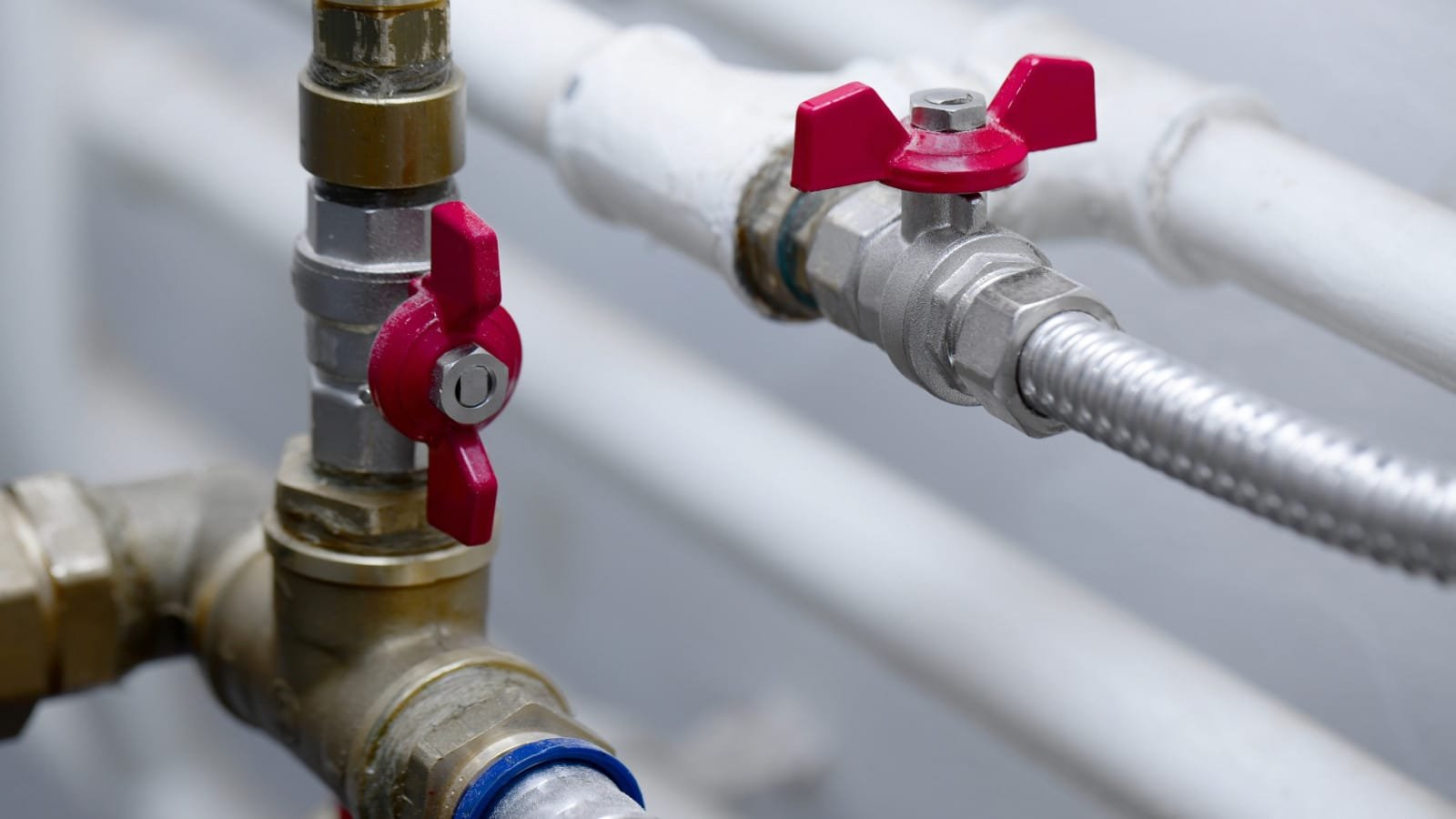
The Basics of Residential Valve Automation
In essence, residential valve automation involves the use of technology to control the opening and closing of valves in a home’s water system. This can be done through various methods, such as using sensors or remote control systems. Smart valve brands have made it easier than ever to achieve this level of control.
How It Works
Automated valves use actuators to open or close valves based on signals received from a control system. This might include a simple remote or a more complex system that integrates with a smart home network. Learn more about these systems at this external source.
Benefits of Residential Valve Automation
The benefits of automating your home’s valves are numerous. These systems not only help save water and energy but also protect against leaks and floods. For those curious about the benefits of smart valves, there’s a wealth of information available.
Water Conservation
One of the primary advantages of residential valve automation is water conservation. Automated systems can detect leaks and shut off water supply instantly, preventing unnecessary water waste.
Enhanced Safety
Another major benefit is enhanced home safety. By automatically shutting off water when leaks are detected, these systems prevent water damage that can potentially lead to costly repairs.
Integrating Residential Valve Automation with Smart Home Systems
Integrating valve automation in your smart home setup offers seamless control and monitoring capabilities. Many systems now integrate effortlessly with existing smart home technologies to provide comprehensive solutions.
Ease of Use
Modern valve automation solutions are designed with user-friendliness in mind. Homeowners can easily control their water systems using smartphones or voice-controlled assistants.
Energy Efficiency
Integrating valve automation with other smart home technologies leads to more energy-efficient homes. By intelligently managing water use, homeowners can significantly reduce their utility bills.
Challenges and Considerations
While the benefits are clear, there are challenges that need to be considered when implementing residential valve automation. These include upfront costs and the complexity of installation.
Initial Costs
The cost of installing these systems can be a barrier for some homeowners. However, the long-term savings in water and energy often offset these initial expenses.
Installation Complexity
Installing an automated system can be complex, requiring expert guidance. Homeowners might need to consult professionals to ensure optimal installation and performance.
For more details on avoiding plumbing disasters, visit pipe maintenance tips.
The Future of Residential Valve Automation
The future of residential valve automation looks promising, with more advances expected in the coming years. These technologies will continue to evolve, offering even more convenience, efficiency, and safety for homeowners.
Advancements in Smart Technology
Continued advancements in smart technology will drive the innovation and adoption of automated valve systems. The integration of IoT devices will further enhance their functionality.
Increased Accessibility
As these systems become more mainstream, they will also become more accessible to the average homeowner. This increased accessibility will drive further adoption and benefits.
Conclusion
Residential valve automation is a powerful technology that offers significant advantages for modern homeowners. From water conservation to enhanced safety, the benefits are clear and compelling. For those looking to make their homes smarter and more efficient, automated valves are an ideal starting point.
FAQs
What is residential valve automation?
Residential valve automation involves using technology to control home water systems for improved efficiency and safety.
How does it enhance home safety?
By automatically detecting leaks and shutting off water, these systems prevent water damage and costly repairs.
Is it worth the investment?
While the initial costs can be high, the long-term savings in water and energy make it a worthwhile investment.
This article contains affiliate links. We may earn a commission at no extra cost to you.