Remote valve management is revolutionizing the way industrial engineers approach the automation of fluid control systems. With its ability to facilitate precise adjustments and regulate flow in real-time, it is becoming a critical component in modern industries. This integration not only enhances operational efficiency but also introduces significant cost savings. Let us delve into how this innovative technology is reshaping industrial landscapes, making processes more streamlined and efficient.
In this comprehensive article, we will explore the functionalities, benefits, and industry applications of remote valve management. We will also see how its smart integration is making waves in industrial automation, culminating in a robust infrastructure for industries worldwide.
What is Remote Valve Management?
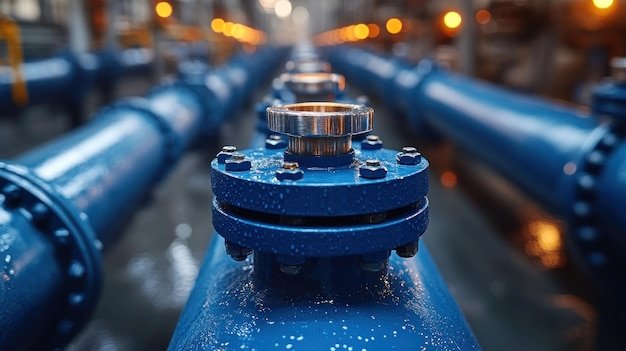
The term eagerly relates to the advanced control of fluid systems via remote operations. It incorporates the use of networks and digital technology to allow operators to monitor, adjust, and control valve settings from off-site locations. This technology leverages networked sensors and control units, bridging the gap between manual adjustments and automated control.
Enabling operators to oversee processes without being physically present in the plant, it is equipped with features that allow for timely alerts, adjustments, and monitoring, thereby improving the efficiency and safety of industrial processes.
Components of Remote Valve Management
Sensors and Automation
The heart of this system is its sophisticated sensors. These devices measure variables such as pressure, temperature, and flow rates. Information is then relayed to control systems which make data-driven decisions. Check out this insightful valve sensor system article for more details.
Communication Networks
For effective remote valve management, a reliable and efficient communication network is crucial. These networks transmit data from sensors to control systems, utilizing technologies like IoT and cloud computing for seamless operations.
Control Panels
Control panels serve as the command center for valve operations. Operators use these interfaces to set parameters, receive alerts, and make necessary changes. For instance, using an app-controlled valve enhances ease and efficiency.
The Importance in Industrial Sectors
Understanding the transformative capabilities of remote valve management requires recognizing its impact on various industries. From oil and gas to food processing, this technology is a game-changer.
Oil and Gas Industry
In the oil and gas sector, managing vast pipelines can be daunting. Remote valve management allows for precise control over oil flow and pressure, reducing the risk of spills and enhancing safety.
Water Treatment Facilities
Water treatment plants utilize this technology to regulate the flow and pressure of water through their systems, ensuring efficient and safe water purification processes.
Benefits of Remote Valve Management
Cost-Effective Operations
Through reduced manual labor and increased efficiency, companies can optimize their resource allocation, leading to significant cost savings.
Safe and Reliable Systems
Operating from a distance reduces the risk to personnel while ensuring that systems are less prone to accidents and malfunctions.
Real-Time Decision Making
Data collected in real-time from sensors allow for informed decision-making, keeping operations running smoothly and minimizing downtime.
Future Trends in Remote Valve Management
As technology keeps evolving, so do the capabilities and applications of remote valve management. Trends point towards even more sophisticated IoT integration, and enhanced machine learning algorithms for predictive maintenance and decision-making improvements.
Further enhancements in communication speeds and AI-based analytics will bolster the system, leading to smarter and more autonomous processes within industrial settings.
For more in-depth coverage, see external sources such as transforming control with IoT.
FAQs about Remote Valve Management
How does remote valve management enhance industrial safety?
By allowing for off-site operations, it minimizes on-site personnel risks and ensures systems are closely monitored for potential hazards.
Can remote valve management be integrated with existing systems?
Yes, most modern systems are designed to be compatible with existing infrastructure, making transitions smoother.
What industries benefit most from remote valve management?
Although predominantly used in oil, gas, and water treatment industries, any sector relying on fluid control can benefit from its implementation.
The future of industrial operations lies in effortless and intelligent control solutions; therefore, the integration of remote valve management becomes not just a choice, but a crucial step towards sustainability and growth.
This article contains affiliate links. We may earn a commission at no extra cost to you.