In the rapidly evolving world of technology, remote control valve automation stands out as a groundbreaking advancement within industrial operations. The ability to remotely control valves has transformed the way industries operate, optimizing processes and significantly enhancing efficiency. This article explores the intricacies of this technology, offering insights into how it is shaping various sectors.
Understanding Valve Automation
Valve automation refers to the use of automated control systems to manage valves. In many industries, valves play a crucial role in regulating the flow of liquids or gases. By implementing remote control valve automation, companies can manage these operations more precisely and efficiently, resulting in enhanced productivity and reduced operational costs.
The Technology Behind Remote Control Valves
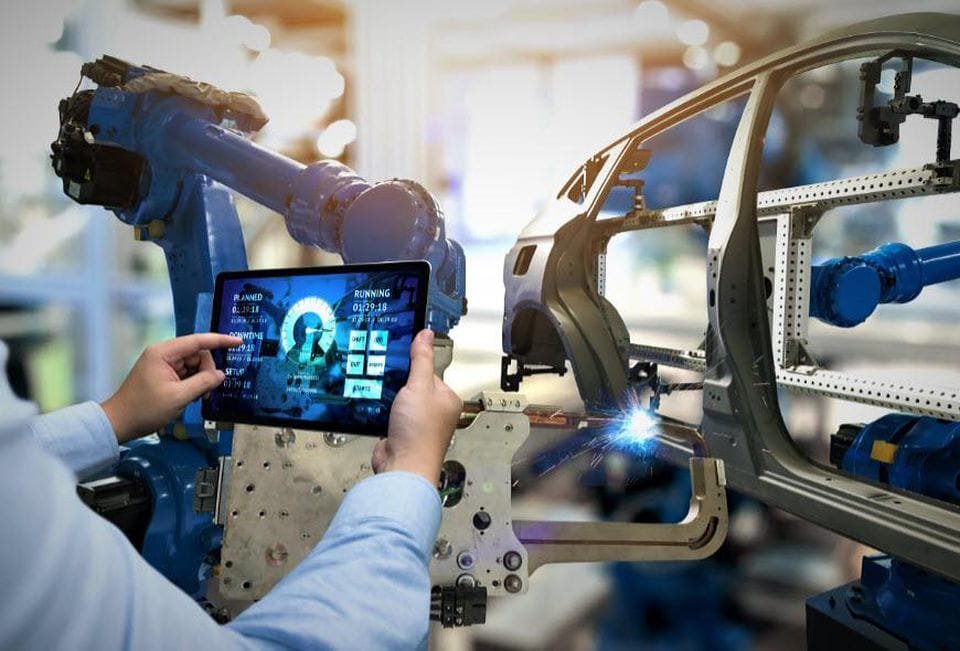
At the heart of remote control valve automation is sophisticated technology that combines mechanical components with advanced sensors and control systems. These systems allow operators to manage valves from a distance using wireless communication, automation software, and control interfaces.
The Role of Sensors
Sensors play a pivotal role in remote control valve systems. They monitor various metrics such as pressure, flow, and temperature, providing real-time data to operators. This data is crucial for making informed decisions about valve operations. Innovative solutions like the valve sensor system further enhance these capabilities.
Control Interfaces
Control interfaces are essential for operators managing valves remotely. These interfaces can be accessed through computers, tablets, or smartphones, providing a user-friendly platform to monitor and adjust valve settings as needed.
Benefits of Remote Control Valve Automation
The implementation of remote control valve automation brings numerous benefits, revolutionizing industrial processes:
Increased Efficiency
By automating valve control, industries can achieve significant increases in operational efficiency. The ability to quickly and accurately adjust valve settings reduces downtime and optimizes workflow.
Enhanced Safety
Safety is paramount in industrial environments. Remote control valve automation reduces the need for manual intervention, minimizing the risk of accidents and exposure to hazardous materials.
Cost Savings
Reducing human intervention and improving precision in valve operations leads to significant cost savings. Industries can cut down on labor costs and reduce waste from inefficient processes.
Industry Applications
Remote control valve automation is applicable across a wide range of industries. Let’s explore some of the key sectors benefiting from this technology:
Oil and Gas
In the oil and gas industry, precise control over fluid flow is critical. Remote control valve automation enhances the ability to manage complex pipeline systems, improving efficiency and safety.
Water Treatment
Water treatment facilities depend on accurate valve management for optimal operation. Automation ensures precise control over water flow and treatment processes.
Food and Beverage
The food and beverage industry benefits from remote valve control by ensuring the precise mixing and processing of ingredients, which improves product consistency and quality.
Challenges and Considerations
While the benefits of automation are significant, there are challenges and considerations to address:
System Integration
Integrating automation systems with existing infrastructure can be complex and require significant investment.
Cybersecurity
With increased connectivity comes the risk of cyber threats. Ensuring robust cybersecurity measures is essential to protect sensitive data and systems.
The Future of Valve Automation
As technology advances, the future of remote control valve automation looks promising. Innovations such as smart valve integration continue to push the boundaries, providing even greater efficiency and control.
Conclusion
In conclusion, remote control valve automation is reshaping industries by enhancing efficiency, safety, and cost-effectiveness. As technology continues to evolve, industries that adopt these advancements will be better positioned for success in an increasingly competitive landscape.
FAQ
What is remote control valve automation?
Remote control valve automation refers to the use of technology to control valve operations from a distance, improving efficiency and safety.
What industries benefit from valve automation?
Industries such as oil and gas, water treatment, and food and beverage significantly benefit from remote control valve systems.
What are the key challenges associated with valve automation?
Challenges include system integration and cybersecurity concerns that must be addressed to ensure efficient and secure operations.
This article contains affiliate links. We may earn a commission at no extra cost to you.