When it comes to industrial applications, the importance of relief valve tamper-proof features cannot be overstated. These features are critical in ensuring the safety and efficiency of various systems. By preventing unauthorized access and accidental adjustments, tamper-proof valves play a vital role in maintaining operational integrity.
Understanding the Basics of Relief Valves
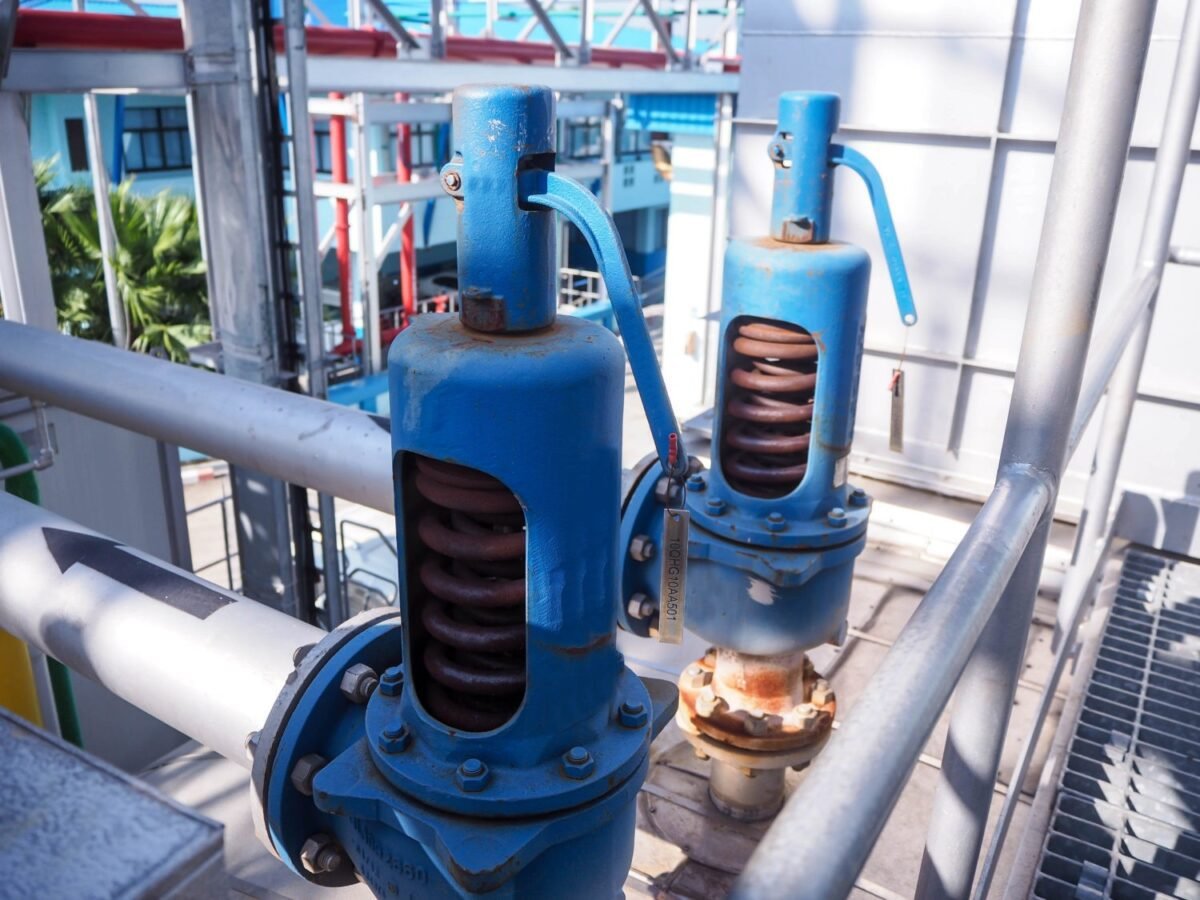
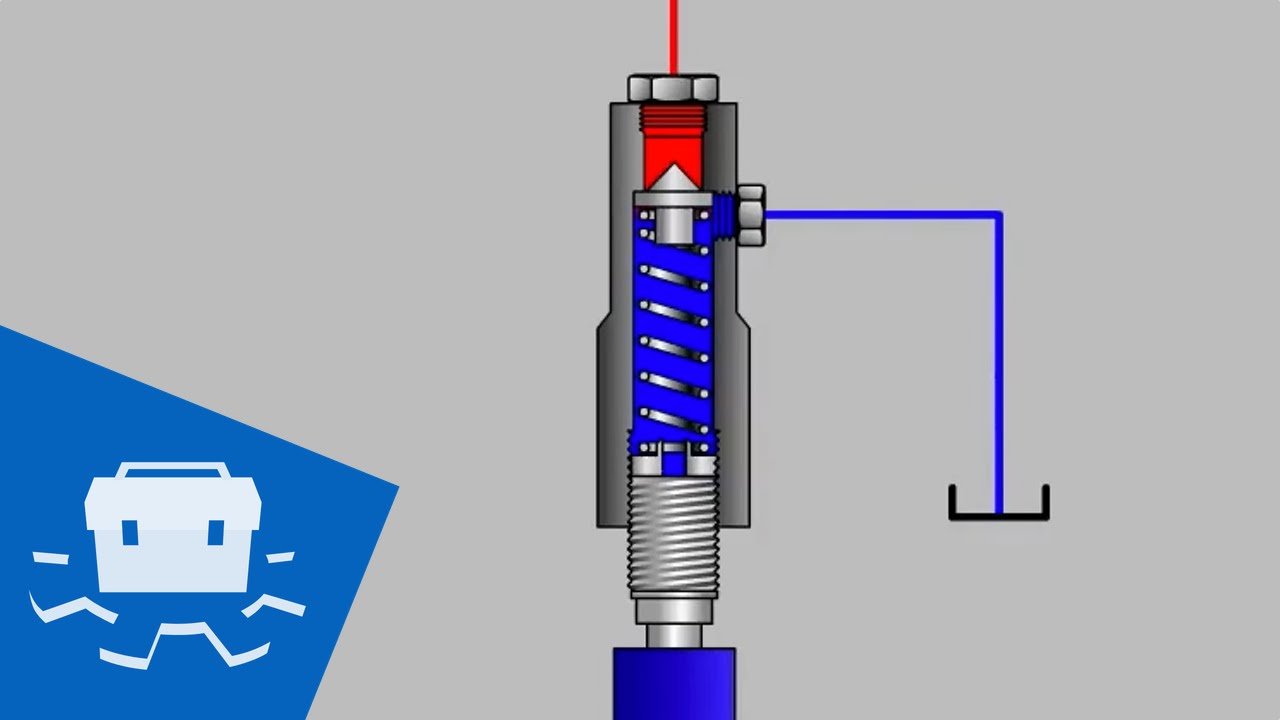
In any industrial setting, relief valves are essential components designed to control pressure within systems. When pressure exceeds safe limits, these valves release excess pressure, preventing potential hazards such as explosions or equipment damage. Thus, their reliability and proper functioning are paramount.
The Significance of Tamper-Proof Features
Tamper-proof features are incorporated into relief valves to ensure that only authorized personnel can make necessary adjustments. This is crucial in preventing accidental or intentional changes that could compromise system safety. By having these features in place, industries can safeguard against potential risks.
Components of Tamper-Proof Relief Valves
Understanding the components that make up tamper-proof relief valves is vital for industrial engineers. These include:
- Sealed Covers: Prevent unauthorized access to adjustment mechanisms.
- Locking Mechanisms: Ensure that settings remain unaltered unless accessed by authorized personnel.
- Indicator Seals: Show if tampering has occurred, allowing for quick identification and response.
How Tamper-Proof Features Enhance Safety
The integration of tamper-proof features enhances safety by:
- Maintaining consistent pressure settings.
- Preventing unauthorized access to critical components.
- Minimizing the risk of accidental adjustments.
Applications Across Industries
Relief valve tamper-proof features are vital across various industries including chemical, oil and gas, and manufacturing. Each sector relies on these features to maintain safety and efficiency. By implementing tamper-proof technology, industries can prevent costly accidents and ensure compliance with safety regulations.
Case Study: Chemical Industry
In the chemical industry, maintaining precise pressure levels is essential. Tamper-proof relief valves help prevent unauthorized adjustments that could lead to dangerous chemical reactions. By ensuring that only trained personnel can alter settings, companies can avoid potential disasters.
Oil and Gas Sector
The oil and gas sector heavily relies on tamper-proof relief valves to manage pressure in pipelines and storage tanks. By preventing unauthorized access, these valves help avert environmental hazards and enhance operational safety. Learn more about the operating temperature limits to ensure optimal performance in various conditions.
Implementing Tamper-Proof Features
Industrial engineers play a critical role in implementing tamper-proof features. This involves selecting the right valve types, understanding system requirements, and ensuring proper installation. Regular maintenance and inspections are also crucial to ensure continued functionality.
Choosing the Right Valve
Selecting the appropriate valve type is the first step in implementing effective tamper-proof features. Engineers must consider factors such as system pressure, temperature, and the nature of the fluid being controlled. For guidance, check out this external guide on relief valves.
Installation Best Practices
Proper installation is key to ensuring the effectiveness of tamper-proof features. Engineers should follow manufacturer guidelines and industry standards to avoid potential issues. Regular training and updates on new technologies can also enhance the overall safety of the system.
Maintaining Tamper-Proof Features
Maintenance is essential to ensure that tamper-proof features remain effective. Regular inspections can identify potential issues before they become serious problems. Engineers should also stay informed about new developments in tamper-proof technology to keep systems up-to-date.
Inspection Protocols
Developing a regular inspection protocol is crucial for maintaining relief valve integrity. This includes checking seal materials, testing locking mechanisms, and ensuring indicator seals are intact. By adhering to these protocols, industries can prolong the life of their valves and enhance safety.
Training and Development
Continuous training for personnel is vital to ensure they understand the importance of tamper-proof features. By keeping up with the latest developments and technologies, engineers can make informed decisions that benefit their operations. For more about pressure reducing valves, explore this comprehensive guide.
Conclusion
In conclusion, relief valve tamper-proof features are essential in ensuring safety and efficiency in industrial applications. By understanding their significance, implementing best practices, and maintaining these features, industries can safeguard against potential risks and enhance operational integrity.
Frequently Asked Questions
What are relief valve tamper-proof features?
Relief valve tamper-proof features are mechanisms designed to prevent unauthorized access and adjustments to pressure settings, ensuring system safety and reliability.
Why are tamper-proof features important in industrial applications?
Tamper-proof features are crucial in preventing accidental or intentional changes that could compromise safety, leading to potential hazards in industrial applications.
How can industries implement tamper-proof features effectively?
Industries can implement tamper-proof features effectively by selecting the right valve types, following installation best practices, and maintaining regular inspection protocols to ensure continued functionality.
This article contains affiliate links. We may earn a commission at no extra cost to you.