When it comes to ensuring the safety and efficiency of industrial systems, relief valves play a crucial role. These components are essential for maintaining system pressure within safe limits and preventing potential overpressure scenarios. Understanding and implementing relief valve mounting best practices is vital for industrial engineers and anyone involved in system design and maintenance.
Importance of Proper Relief Valve Mounting
Proper mounting of relief valves is not just a technical requirement; it’s a fundamental safety measure. Incorrect installation can lead to valve malfunction, potentially causing system failure or hazardous situations. By adhering to best practices, engineers can ensure that relief valves operate as intended, providing reliable protection against overpressure.
Understanding Relief Valves
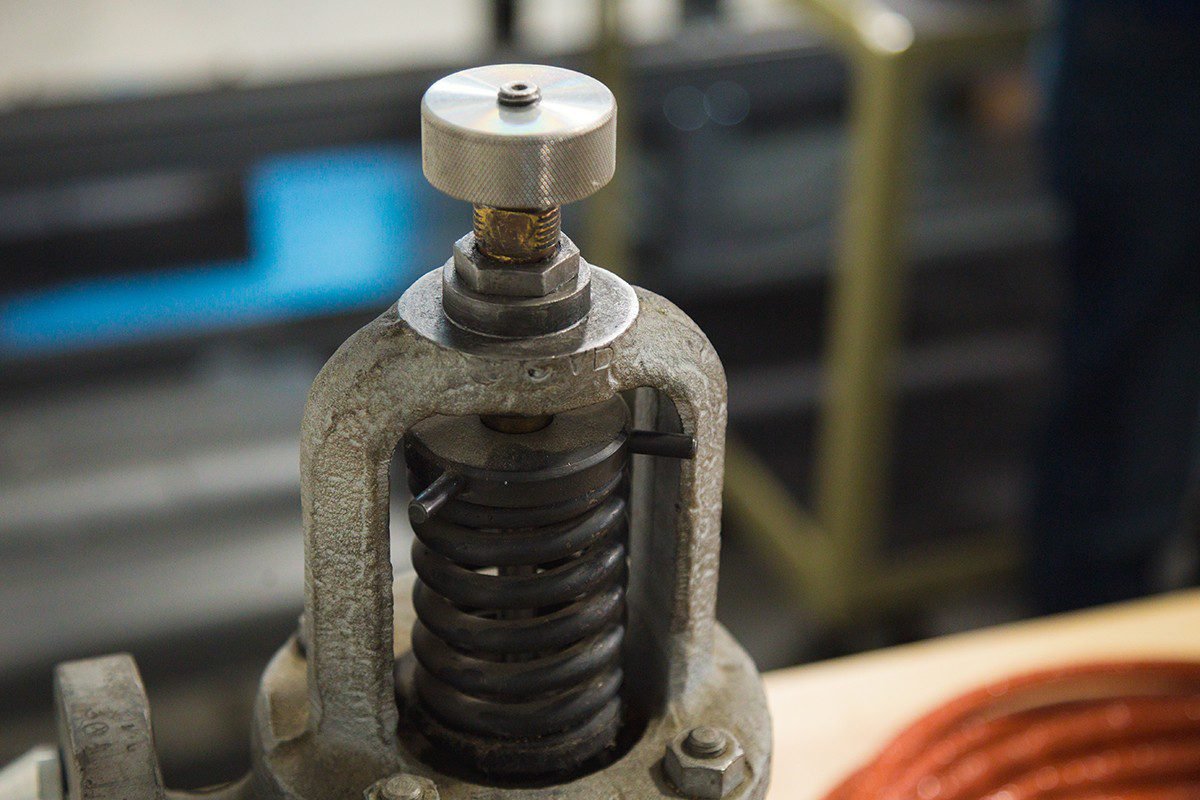
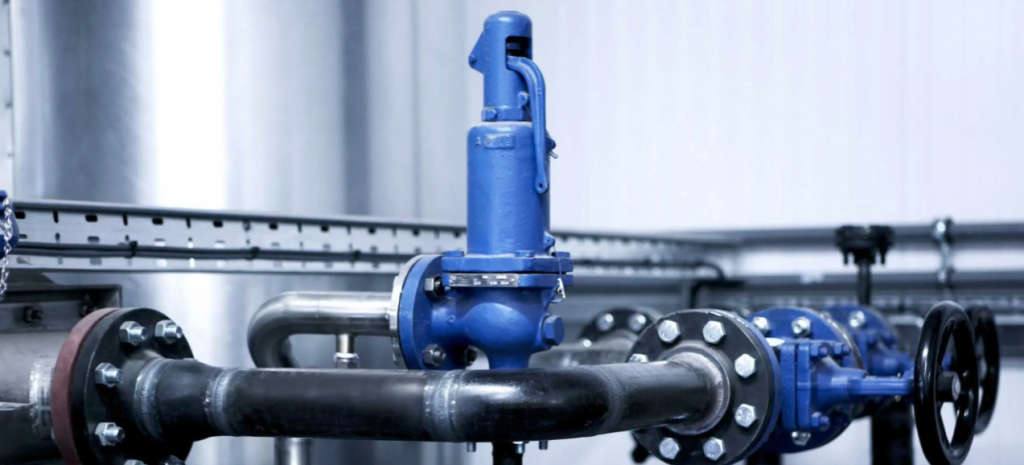
A relief valve is a device designed to open at a predetermined set pressure to protect pressure vessels and other equipment from excessive pressure. Once the set pressure is reached, the valve opens, allowing fluid to escape, thus preventing system damage.
Key Considerations for Mounting
- Location: The valve should be installed in a position that allows easy access for maintenance and inspection. It should also be placed where it can effectively relieve pressure.
- Orientation: Ensure the valve is mounted in the correct orientation as specified by the manufacturer. Incorrect orientation can affect valve performance.
- Piping: Use appropriate piping that can handle the discharged fluid’s pressure and temperature. Piping should be supported to prevent stress on the valve.
Step-by-Step Mounting Guide
Following a structured approach to mounting relief valves ensures consistency and reliability. Heres a step-by-step guide to help you:
Step 1: Select the Correct Valve
Choosing the correct valve is the first step. Consider the set pressure, temperature, and type of fluid. Refer to the proper PRV orientation for more details on selecting the right valve type.
Step 2: Prepare the Installation Site
Ensure the site is clean and free of any debris. The mounting surface should be level and robust enough to support the valve.
Step 3: Mount the Valve
Follow the manufacturers instructions carefully. Use the correct tools to avoid damaging the valve. Ensure all connections are secure but do not overtighten.
Step 4: Connect the Discharge Piping
Connect the discharge piping according to the systems requirements. The piping should direct the relieved fluid to a safe area. Refer to this impact of system backpressure for additional insights.
Step 5: Perform a System Check
Once installed, conduct a system check. This includes verifying set pressure, checking for leaks, and ensuring the valve operates smoothly.
Common Mistakes to Avoid
Even with guidelines, mistakes can happen. Here are common pitfalls to watch out for:
- Ignoring manufacturers instructions
- Improper piping leading to backpressure issues
- Incorrect valve sizing
Importance of Regular Maintenance
Regular maintenance is vital for the longevity and performance of relief valves. Scheduled inspections can catch potential issues early, ensuring the system remains safe and operational.
Resources for Further Reading
For more detailed information on relief valves and their applications, consider visiting external sources such as Understanding Pressure Relief and Check Valves in Pumping Systems.
FAQs
What is the main purpose of a relief valve?
The main purpose of a relief valve is to protect pressure vessels and systems from overpressure by releasing excess pressure safely.
How often should relief valves be tested?
Relief valves should be tested regularly, at least annually, to ensure they function correctly and provide adequate protection.
Can relief valves be installed horizontally?
While some relief valves can be installed horizontally, it is essential to follow the manufacturers guidelines to ensure proper function.
Additional Tips for Engineers
As an engineer, staying informed about the latest industry standards and best practices is crucial. Engage with professional communities and resources to continuously improve your knowledge and skills.
This article contains affiliate links. We may earn a commission at no extra cost to you.