
In the world of industrial engineering, the significance of reducing noise in relief valves cannot be overstated. These vital components play a crucial role in ensuring safety and operational efficiency. However, they can also be a source of significant noise, which can lead to operational challenges and safety concerns. Understanding how to mitigate this noise is essential for maintaining a quiet and efficient working environment.
This article aims to provide comprehensive insights into the various strategies and techniques for effectively reducing noise in relief valves. By exploring these approaches, industrial engineers can enhance the performance and longevity of their systems while minimizing acoustic disturbances.
Understanding Relief Valve Noise
What Causes Noise in Relief Valves?
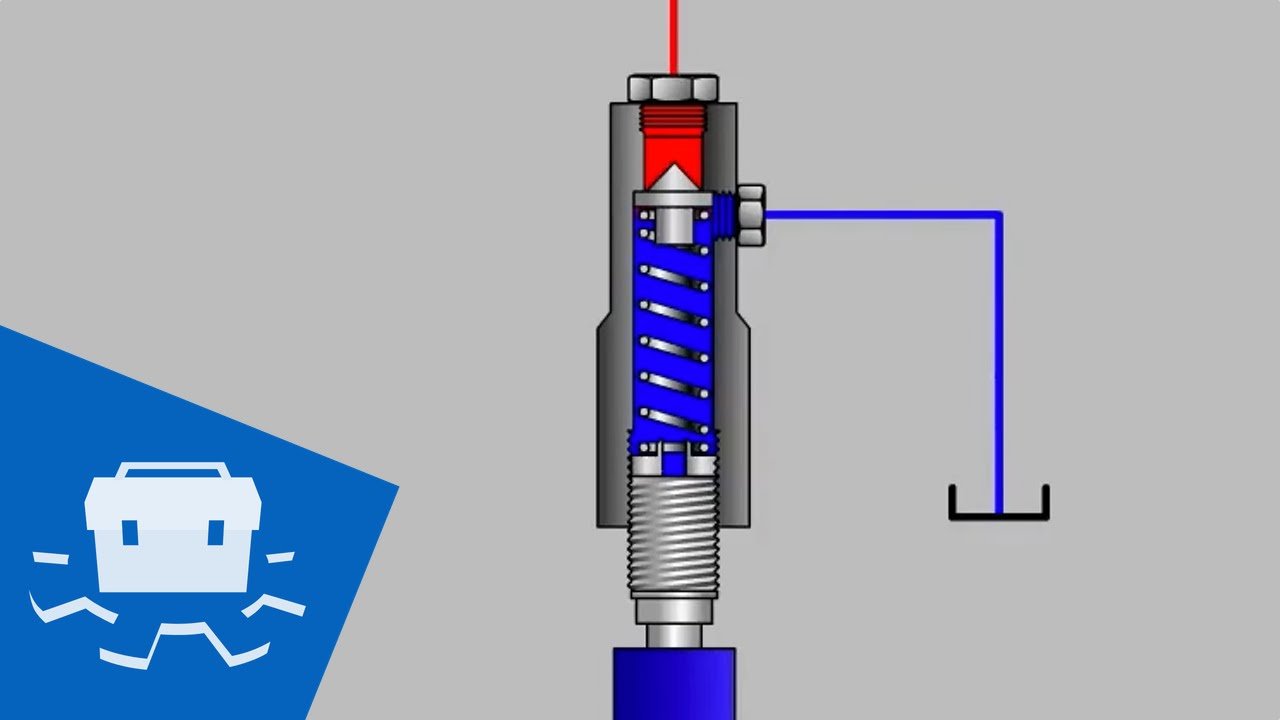
Noise in relief valves is primarily caused by the rapid release of pressure as the valve opens. This sudden release of energy can result in vibrations and turbulent flow, leading to audible noise. Factors such as valve design, flow rate, and system pressure can influence the intensity of the noise generated.
Common Sources of Noise
There are several sources of noise in relief valves, including:
- Cavitation: The formation and collapse of vapor bubbles can produce noise.
- Turbulence: Irregular flow patterns can lead to increased noise levels.
- Vibration: Mechanical vibrations can transmit noise through the valve and piping system.
Strategies for Reducing Relief Valve Noise
Proper Valve Selection
Choosing the right valve for the application is crucial for minimizing noise. Valves with optimized designs for noise reduction, such as those with low-noise trim or anti-cavitation features, can significantly reduce noise levels.
Correct Valve Sizing
Ensuring that the valve is correctly sized for the application is essential. Oversized or undersized valves can lead to inefficient operation and increased noise levels. Precise sizing based on system parameters can help mitigate this issue.
Optimizing System Pressure
Managing system pressure effectively can reduce the noise generated by relief valves. Implementing pressure control measures, such as pressure reducing valves, can help maintain optimal pressure levels and reduce noise.
Implementing Noise Attenuators
Noise attenuators, such as silencers or mufflers, can be installed to absorb or dissipate noise. These devices are effective in reducing the sound emitted by relief valves and can be customized for specific applications.
Regular Maintenance and Inspection
Routine maintenance and inspection of relief valves are essential for ensuring their optimal performance and minimizing noise. Regular checks for wear, damage, or misalignment can prevent noise-related issues and extend the valve’s lifespan.
For more information on proper valve orientation, refer to this resource.
Advanced Techniques for Noise Reduction
Installing Surge Tanks
Surge tanks can be used to absorb pressure fluctuations and reduce noise. By providing a buffer for sudden pressure changes, surge tanks help maintain stable flow conditions and minimize noise.
Utilizing Acoustic Insulation
Wrapping relief valves and associated piping with acoustic insulation can effectively reduce noise levels. This technique helps to contain sound within the system and prevent its transmission to the surrounding environment.
Implementing Control Valves
Control valves can be used in conjunction with relief valves to modulate flow and pressure, thereby reducing noise. These valves provide precise control over system parameters and help maintain stable operating conditions.
Impact of System Design on Noise Levels
Optimizing Piping Layout
The design of the piping system can have a significant impact on noise levels. Proper layout, including the use of bends and expansion joints, can help minimize turbulence and vibration, reducing noise.
Reducing Backpressure
Excessive backpressure can contribute to increased noise levels in relief valves. Implementing strategies to reduce backpressure, such as optimizing venting systems, can help alleviate this issue.
Learn more about the impact of backpressure on PRVs in this article.
The Role of Technology in Noise Reduction
Advanced Monitoring Systems
Modern monitoring systems can provide real-time insights into valve performance and noise levels. These systems enable proactive maintenance and adjustments to minimize noise.
Simulation and Analysis Tools
Simulation and analysis tools can be used to model valve behavior and predict noise levels. These tools aid in the design and optimization of relief valves for noise reduction.
Case Studies
Case Study 1: Noise Reduction in Chemical Plants
A chemical plant faced significant noise issues due to relief valves. By implementing optimized valve designs and noise attenuators, the plant achieved a substantial reduction in noise levels, enhancing worker safety and satisfaction.
Case Study 2: Reducing Noise in Power Generation Facilities
A power generation facility successfully reduced noise levels by installing acoustic insulation and surge tanks. These measures improved operational efficiency and reduced environmental noise pollution.
Conclusion
Reducing noise in relief valves is a critical aspect of maintaining efficient and safe industrial operations. By understanding the causes of noise and implementing targeted strategies, engineers can significantly reduce noise levels and enhance system performance. From proper valve selection and sizing to advanced techniques like acoustic insulation and surge tanks, there are numerous approaches to achieving quieter operations.
For more information on relief valves, visit this resource.
FAQ
What are the main causes of noise in relief valves?
The main causes of noise in relief valves include cavitation, turbulence, and vibration.
How can noise in relief valves be reduced?
Noise can be reduced by proper valve selection, correct sizing, optimizing system pressure, and implementing noise attenuators.
What role does technology play in reducing noise?
Technology plays a significant role through advanced monitoring systems and simulation tools that aid in noise reduction efforts.
This article contains affiliate links. We may earn a commission at no extra cost to you.