The concept of real-time valve status is gaining immense importance in the industrial sector today. This transformative technology offers valuable insights, ensuring processes run smoothly and efficiently. In this article, we’ll dive deep into understanding what real-time valve status is and why it matters for industries across the globe.
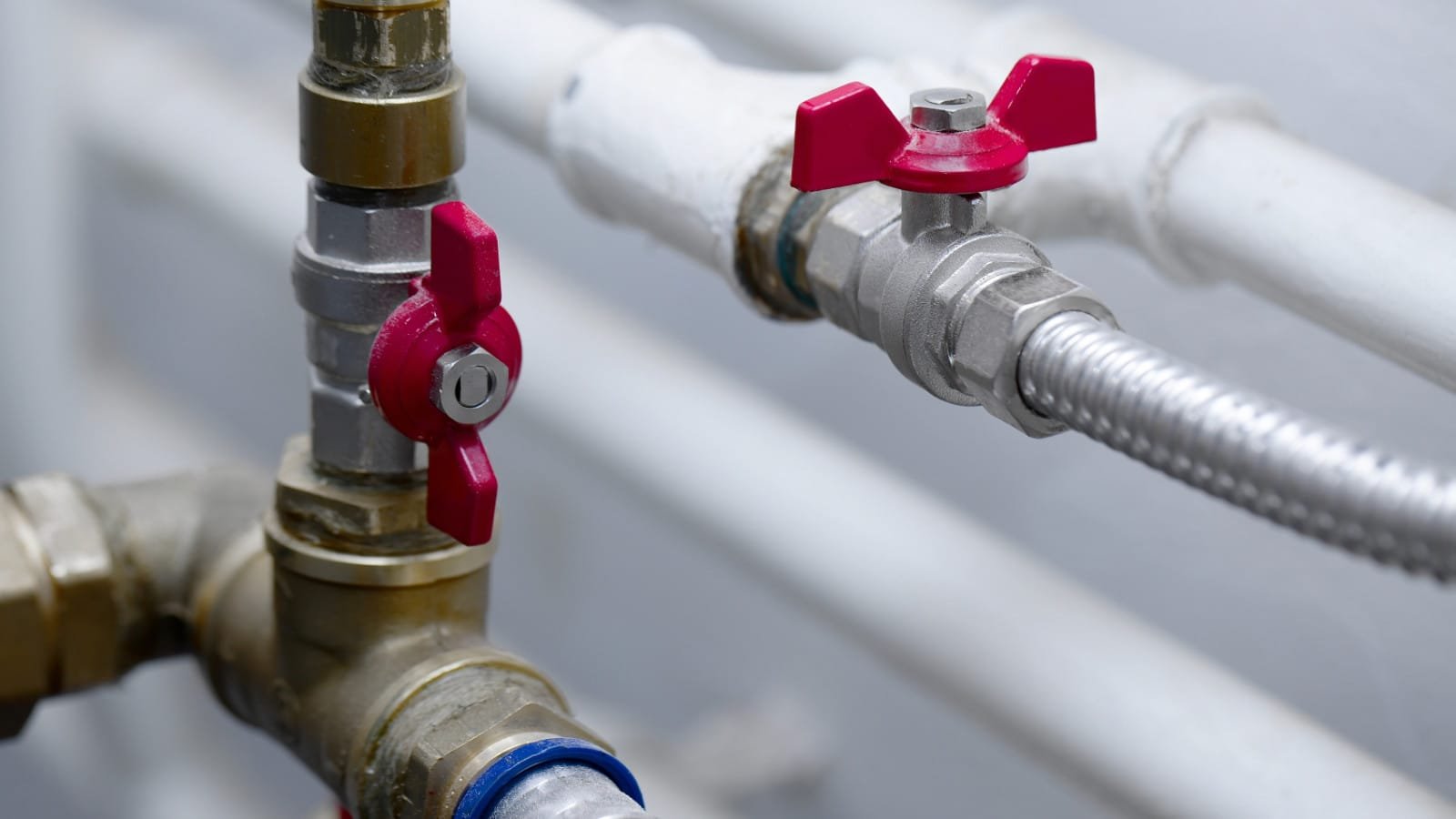
What is Real-time Valve Status?
Before diving into the benefits, let’s first understand what real-time valve status means. In simple terms, it refers to the ability to monitor and report the operational state of valves as data gets captured instantly. This helps industries react promptly to any potential disruptions.
How It Works
The technology behind real-time valve status involves sensors and IoT devices that continuously track the operational parameters of valves. These devices transmit data to monitoring systems, allowing engineers to gain insights and react dynamically to system needs.
Benefits of Real-time Valve Monitoring
Enhanced Operational Efficiency
One of the foremost advantages is the enhanced operational efficiency it provides. By offering immediate data, companies can streamline their operations and reduce downtime. For more in-depth understanding, check how smart valves are making a change in industrial plumbing.
Predictive Maintenance
Real-time data on valve operations allows industries to predict when maintenance is required rather than relying on scheduled service checks. This predictive maintenance minimizes unexpected failures and helps in cost management.
Improved Safety Measures
Safety is paramount in industrial settings, and real-time valve status plays a crucial role in enhancing workplace safety. By catching potential failures early, the technology aids in preventing accidents. More information can be found on the role of valves in the digital age.
The Role of IoT in Valve Monitoring
The incorporation of the Internet of Things (IoT) in valve monitoring has revolutionized how industries manage their systems. These interconnected devices facilitate better communication and control, offering precise real-time valve status data that empower decision-makers.
Challenges and Solutions
Data Security Concerns
With digital advancements come the challenges of data security. Industries must ensure their systems are safeguarded against potential breaches to protect sensitive information.
Integration with Existing Systems
Another challenge is the integration of real-time systems with existing infrastructure. However, with modern solutions and expert guidance, smooth integration is achievable.
Case Studies: Success Stories
Several industries have successfully integrated real-time valve status into their operations. Their outcomes provide insights and serve as motivation for others considering a similar transition. For insights, visit how regular pipe maintenance plays a role in plumbing solutions.
The Future of Valve Monitoring
As technology continues to evolve, the applications and capabilities of real-time valve status will expand, further enhancing industrial processes and efficiency levels globally.
Conclusion
In conclusion, embracing the technology of real-time valve status is crucial for industries seeking operational excellence, improved safety, and reduced costs. It’s a pivotal step toward a smarter industrial future.

FAQs
What are the primary benefits of real-time valve status?
The primary benefits include enhanced operational efficiency, reduced downtime, improved safety, and the ability for predictive maintenance.
How does IoT enhance real-time valve monitoring?
IoT adds connectivity and precision, allowing devices to communicate and function seamlessly to provide consistent real-time data.
Can real-time valve status be integrated with older systems?
Yes, though it might require expert help to ensure smooth integration without disrupting existing operations.
This article contains affiliate links. We may earn a commission at no extra cost to you.