The intricate world of industrial engineering often presents challenges, especially when it comes to designing systems that ensure safety and efficiency. One critical component in many industrial systems is the Pressure Relief Valve (PRV). Its function is pivotal in safeguarding systems from excessive pressure. At the heart of this system lies the crucial aspect of PRV vent line design. Understanding and implementing effective vent line design is essential for maintaining system integrity and safety.
In this article, we’ll explore the fundamental aspects of PRV vent line design and offer insights into best practices that engineers should consider. Whether you’re an experienced engineer or new to the field, this guide aims to provide valuable information to enhance your understanding of this subject.
Understanding the Basics of PRV Vent Line Design
At its core, PRV vent line design is about ensuring that pressure relief valves function optimally. A well-designed vent line allows released pressure to be safely vented away from the system, preventing potential hazards. The design involves several critical factors, including the size, material, and routing of the vent line.
Key Components of a PRV System
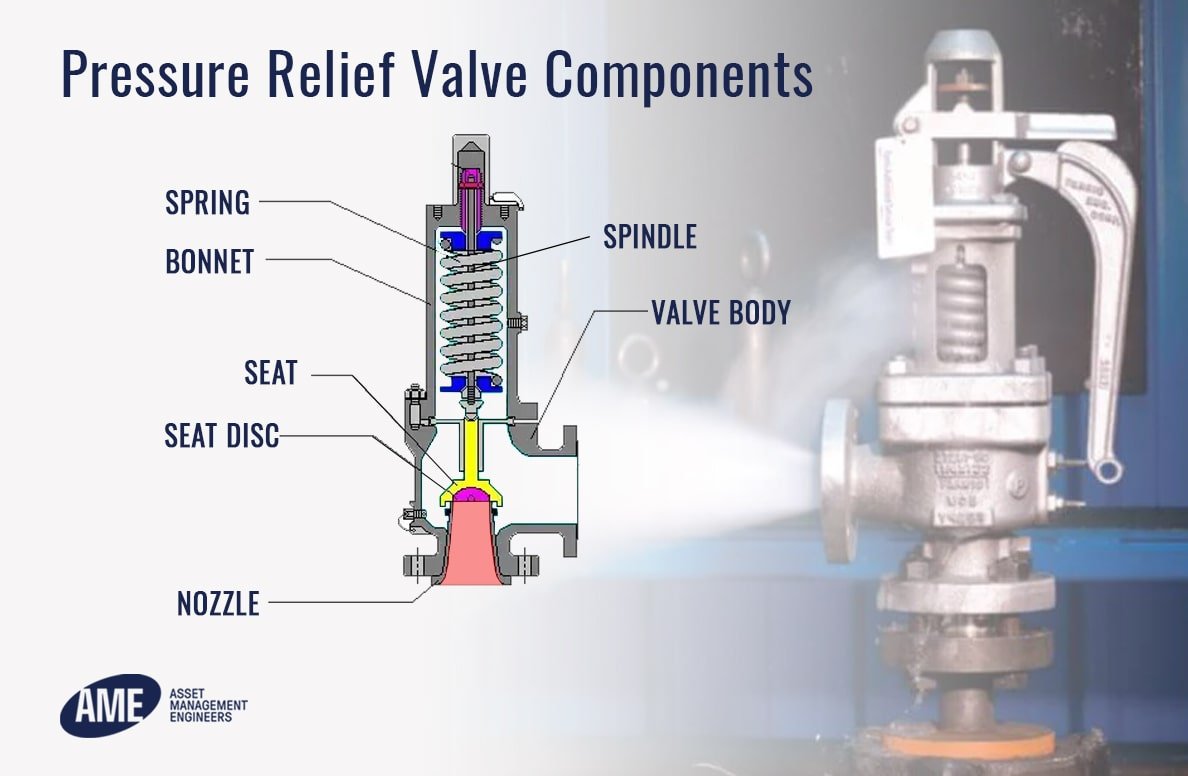
Before delving into the design specifics, it’s important to understand the components of a PRV system. The main components include the valve itself, the vent line, and the discharge area. Each component plays a vital role in ensuring the system operates safely and efficiently.
Importance of Proper Vent Line Sizing
The size of the vent line is a crucial factor in PRV vent line design. An undersized vent line can lead to backpressure, which may impair the valve’s ability to relieve pressure effectively. Conversely, an oversized vent line can result in unnecessary costs and potential installation challenges. It’s essential to strike a balance that meets the system’s requirements.
Material Selection for PRV Vent Lines
Choosing the right material for the vent line is another critical consideration. The material must withstand the environmental conditions and the type of fluid being vented. Common materials include stainless steel, carbon steel, and specialized alloys, each offering distinct advantages and limitations.
Environmental Considerations
The operating environment significantly influences material selection. Factors such as temperature, pressure, and exposure to corrosive substances must be considered. Selecting a material that can endure these conditions is vital for ensuring long-term system reliability.
Fluid Characteristics
The characteristics of the fluid being vented also impact material selection. For instance, corrosive fluids may necessitate the use of specialized alloys to prevent deterioration and ensure the longevity of the vent line.
Best Practices in PRV Vent Line Routing
Routing is another essential aspect of PRV vent line design. The path the vent line takes can affect its performance and the overall safety of the system. Proper routing minimizes pressure drop and reduces the risk of damage.
Avoiding Sharp Bends and Turns
Sharp bends and turns can increase pressure drop and create points of stress within the vent line. It’s advisable to design the vent line with smooth curves to facilitate optimal flow and reduce the likelihood of wear and tear.
Ensuring Proper Support and Anchoring
Proper support and anchoring of the vent line are crucial to prevent vibration and movement. Securely anchored vent lines reduce the risk of mechanical failure and ensure the system remains intact during operation.
Regulatory Standards and Compliance
Compliance with regulatory standards is vital in PRV vent line design. Engineers must adhere to industry standards and guidelines to ensure safety and reliability. These standards often dictate specific design requirements, material specifications, and testing procedures.
Industry Standards and Guidelines
Organizations such as the American Society of Mechanical Engineers (ASME) and the International Organization for Standardization (ISO) provide comprehensive standards and guidelines for PRV vent line design. Familiarizing oneself with these standards is essential for ensuring compliance.
Testing and Inspection Requirements
Regular testing and inspection of PRV systems are necessary to ensure ongoing compliance and functionality. These processes help identify potential issues and allow for timely maintenance and repairs.
Common Challenges and Solutions
While designing PRV vent lines, engineers may encounter various challenges. Understanding these challenges and implementing appropriate solutions is crucial for successful design and operation.
Addressing Backpressure Concerns
Backpressure is a common concern in PRV vent line design. It can hinder the valve’s ability to function properly and lead to system inefficiencies. Designing vent lines with adequate capacity and proper routing can mitigate backpressure issues. For further insights, you can explore the impact of system backpressure on PRVs.
Dealing with Environmental Challenges
Environmental factors, such as extreme temperatures and corrosive conditions, can pose significant challenges. Selecting appropriate materials and implementing protective measures can help overcome these obstacles and ensure the system’s durability.
Advancements in PRV Technology
Technological advancements continue to shape the field of PRV vent line design. Innovations in materials, design methodologies, and monitoring systems are enhancing the efficiency and reliability of PRV systems.
Emerging Materials and Technologies
New materials and technologies are continually being developed to address the evolving needs of industrial systems. These advancements offer improved performance, durability, and cost-effectiveness.
Integration of Monitoring Systems
The integration of monitoring systems allows for real-time data analysis and performance tracking. This enables proactive maintenance and helps identify potential issues before they escalate. For more information on maintaining PRV systems, consider exploring pulsation in pressure relief valves.
Conclusion
In conclusion, PRV vent line design is a critical aspect of ensuring the safety and efficiency of industrial systems. By understanding the fundamental principles, adhering to industry standards, and embracing technological advancements, engineers can design vent lines that meet the demands of modern applications.
For further information on safety valve design and operation, you may refer to Spirax Sarco’s comprehensive guide on safety valves.
FAQ
What is the primary purpose of a PRV vent line?
The primary purpose of a PRV vent line is to safely vent excess pressure away from the system, ensuring the pressure relief valve functions effectively and preventing potential hazards.
How does backpressure affect PRV performance?
Backpressure can impede the performance of a pressure relief valve by reducing its capacity to vent pressure effectively. This can lead to system inefficiencies and increased risk of failure. Proper vent line design can help mitigate backpressure concerns.
Why is material selection important in vent line design?
Material selection is crucial in vent line design because it determines the system’s ability to withstand environmental conditions and fluid characteristics. Choosing the right material ensures long-term reliability and safety.
This article contains affiliate links. We may earn a commission at no extra cost to you.