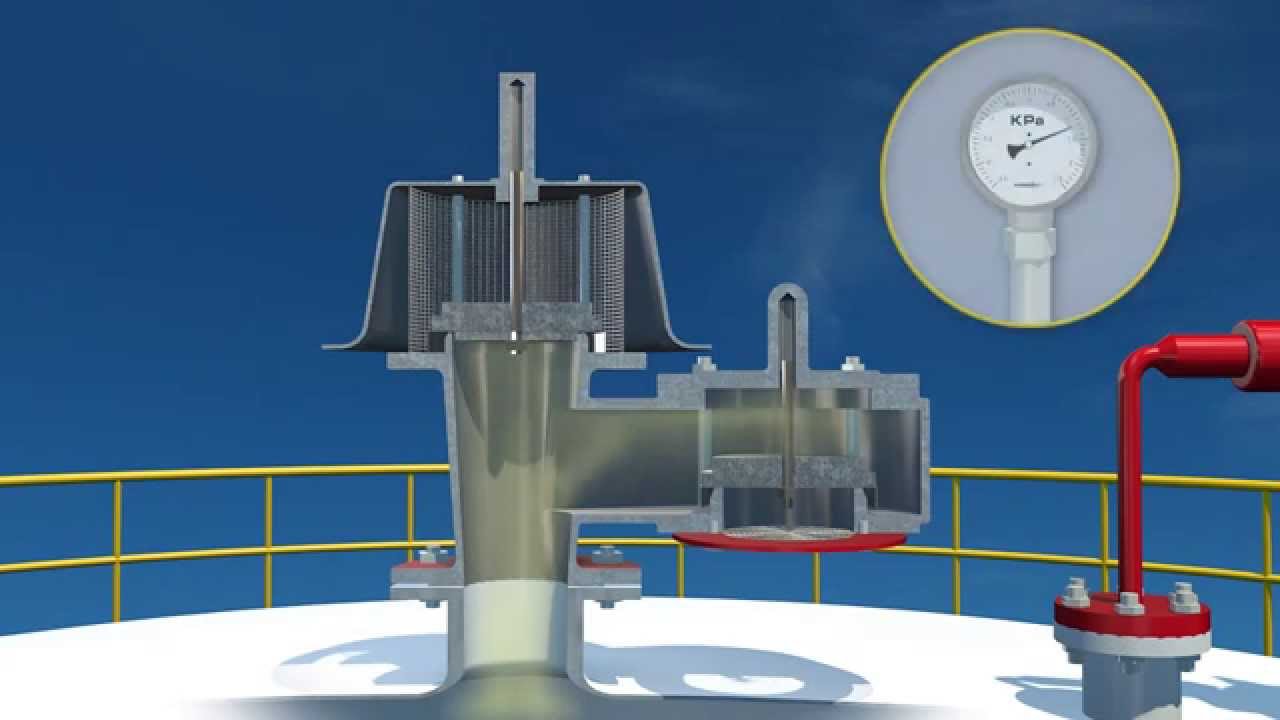

When it comes to designing a Pressure Relief Valve (PRV) system, there are numerous factors that engineers must consider to ensure safety and efficiency. Understanding the PRV system design considerations is crucial for industrial engineers who aim to create effective systems that protect both equipment and personnel.
Introduction to PRV Systems
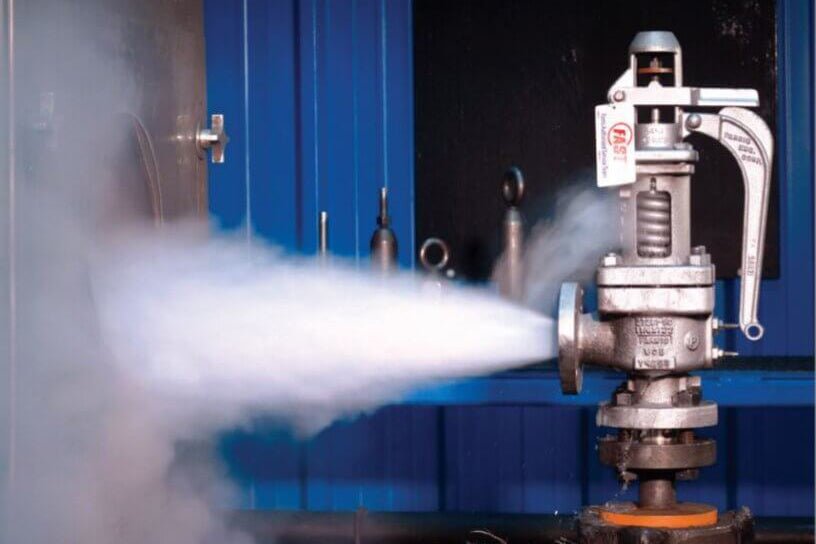
Pressure Relief Valves are essential components in various industrial systems. They are designed to release pressure from a system when it exceeds a predetermined level, thereby preventing potential failures or explosions. The importance of PRV systems cannot be overstated, as they play a critical role in maintaining operational safety and compliance with industry standards.
Key Considerations in PRV System Design
Understanding System Pressure
Before designing a PRV system, engineers must have a thorough understanding of the system’s pressure dynamics. This includes knowing the normal operating pressure, maximum allowable pressure, and any potential pressure surges. Proper understanding of these factors will guide the selection of appropriate valve sizes and settings.
Material Selection
The materials used in the construction of PRVs must be compatible with the system’s media and operating conditions. Factors such as temperature, pressure, and corrosion potential should influence the choice of materials to ensure longevity and reliability. For more insights on material selection, visit ScienceDirect.
Proper Sizing of PRVs
One of the critical PRV system design considerations is proper sizing. An undersized PRV may not adequately relieve pressure, while an oversized valve can lead to unnecessary costs and operational issues. Engineers should use industry-standard calculations and guidelines to determine the correct size for their specific application.
Installation Considerations
Accessibility for Maintenance
Designing for easy access is crucial for maintenance purposes. Engineers should ensure that PRVs are placed in locations that allow for straightforward inspection and servicing. For more information, check out Designing for PRV Accessibility.
Impact of System Backpressure
Backpressure can significantly affect PRV performance. Engineers must account for this factor during the design phase to ensure the valve operates as intended. For additional insights, visit System Backpressure.
Orientation and Installation
The orientation of PRVs during installation is another important consideration. Improper orientation can lead to valve malfunctions or reduced performance. Engineers should follow best practices for Proper PRV Orientation.
Operational Considerations
Actuator Options
Choosing the right actuator for a PRV is essential for optimal operation. Various options are available depending on the application requirements. Engineers should evaluate the pros and cons of each type to determine the best fit. More details can be found at PRV Actuator Options.
Valve Seat Wear and Repair
Over time, valve seats can wear down, affecting the performance of the PRV. Regular inspection and maintenance are necessary to address these issues. For maintenance tips, visit Valve Seat Wear and Repair.
Conclusion
In conclusion, PRV system design considerations are multifaceted and require careful attention to detail. By understanding the various factors that influence PRV performance, industrial engineers can design systems that are both safe and efficient. For further reading on pressure relief systems, check out Understanding Pressure Relief.

FAQs
What is the primary function of a PRV?
The primary function of a PRV is to release excess pressure from a system to prevent potential failures or explosions.
Why is proper sizing important in PRV systems?
Proper sizing is crucial because an undersized PRV may not relieve pressure effectively, while an oversized valve can lead to unnecessary costs and operational issues.
How does backpressure affect PRV performance?
Backpressure can impact the opening and closing characteristics of a PRV, potentially affecting its performance and safety.
This article contains affiliate links. We may earn a commission at no extra cost to you.