
In the world of industrial engineering, handling pressure changes efficiently is crucial for maintaining operational safety and performance. One critical component in managing these changes is the Pressure Relief Valve (PRV). This article delves into the intricacies of PRV operation under rapid pressure rise, offering insights and guidelines for engineers and industry professionals to ensure optimal functionality and safety.
Understanding the Role of PRV in Pressure Management
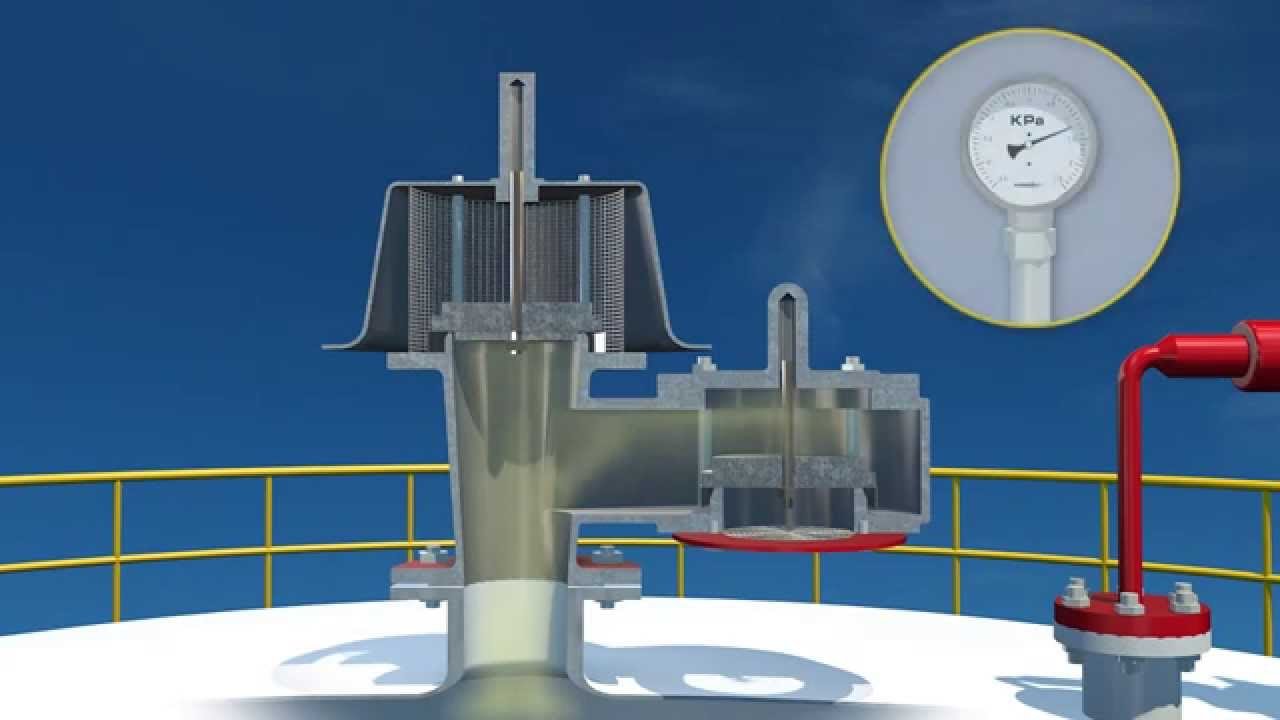
A Pressure Relief Valve is designed to protect pressure vessels and other equipment from excessive pressure. When a system experiences a rapid pressure rise, the PRV opens to release the pressure, thus preventing potential hazards such as equipment damage or explosions. It’s essential to understand how these valves operate and the factors influencing their performance to ensure they function correctly under all conditions.
How PRVs Work
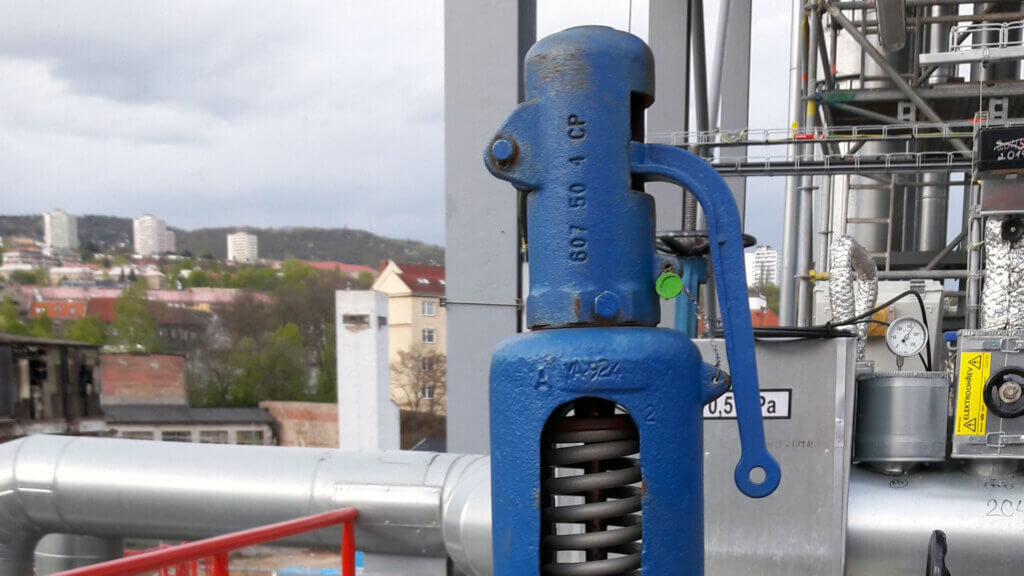
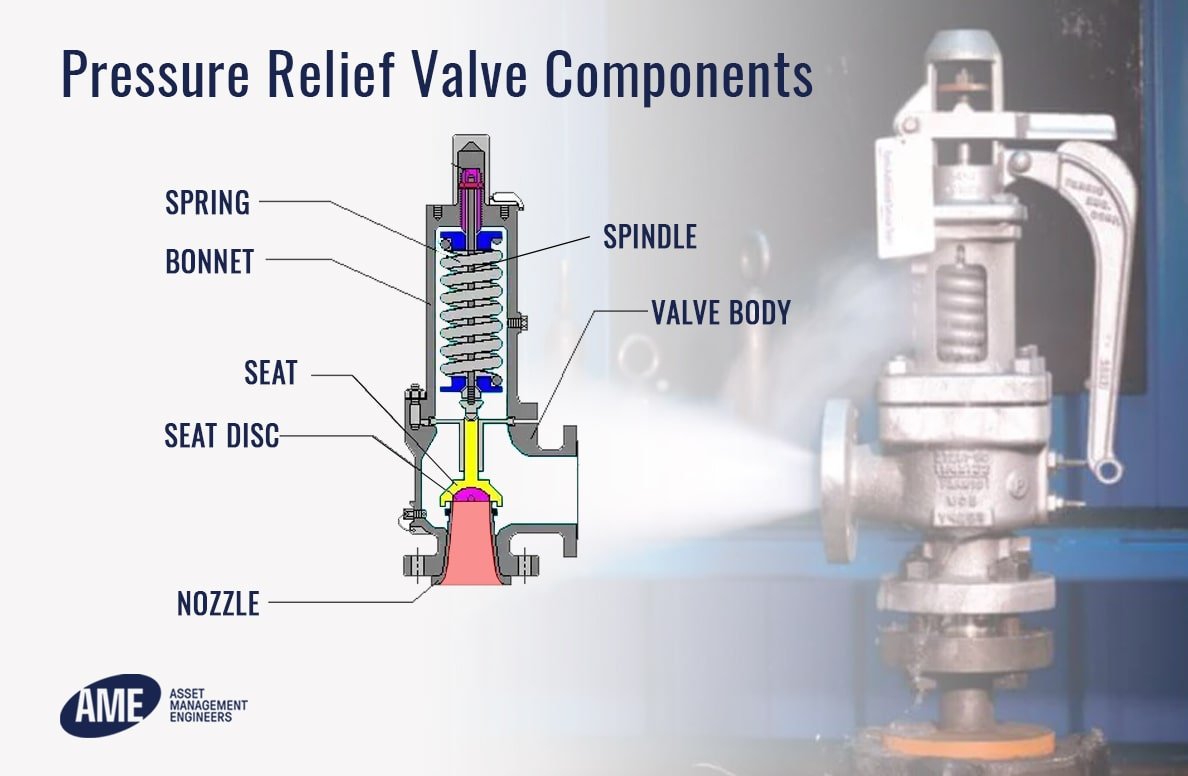
The fundamental principle behind a PRV is simple: it opens to release pressure when the system exceeds a predetermined limit. The valve is typically a spring-loaded mechanism that remains closed under normal conditions. However, when the pressure rises rapidly, it forces the valve to open, allowing the excess pressure to escape and thus stabilizing the system.
Factors Influencing PRV Performance
Several factors can affect the performance of a PRV, especially under rapid pressure rise scenarios. Understanding these factors is crucial for selecting and maintaining the right valve for your system.
Design and Material Considerations
The design and material of the PRV play crucial roles in its ability to handle pressure changes. Valves made from durable materials such as stainless steel are often preferred for their corrosion resistance and strength. The design should also accommodate the specific pressure and temperature conditions of your system.
System Backpressure Impacts
Backpressure is the pressure on the outlet side of the valve and can significantly impact PRV operation. High backpressure can reduce the valve’s capacity to release pressure, leading to potential system failures. To understand more about backpressure impacts, check out our guide on system backpressure impact.
Best Practices for PRV Installation and Maintenance
Proper installation and maintenance are vital to ensure the effective operation of PRVs under rapid pressure rise conditions.
Correct Orientation and Accessibility
Ensuring the proper orientation of the PRV is critical for its performance. Incorrect installation can hinder the valve’s opening and closing capabilities. For detailed guidance, refer to our article on proper PRV orientation.
Regular Inspection and Testing
Regular inspection and testing of PRVs are essential to identify wear and tear or mechanical issues that could affect performance. Routine checks help in maintaining the valve’s integrity and reliability.
Challenges in PRV Operation Under Rapid Pressure Rise
Operating a PRV under rapid pressure rise involves several challenges, including ensuring timely response and maintaining system integrity. Engineers must be aware of these challenges to implement effective solutions.
Timely Response and Calibration
The PRV must respond quickly to pressure changes to prevent system damage. Calibration is crucial to ensure the valve opens at the correct pressure setting. Regular calibration checks are necessary for maintaining the valve’s responsiveness.
Dealing with Valve Seat Wear
Valve seat wear can lead to leakage or malfunction of the PRV. Addressing this issue through regular maintenance and repairs is vital for optimal operation. Learn more about this in our article on valve seat wear and repair.
Technological Advancements in PRV Design
Advancements in technology have led to the development of more efficient and reliable PRVs. These innovations enhance the valves’ ability to handle rapid pressure changes effectively.
Smart PRVs and Remote Monitoring
Smart PRVs equipped with sensors and remote monitoring capabilities allow for real-time data analysis and proactive maintenance. This technology helps in predicting potential failures and ensuring timely interventions.
Enhanced Materials and Coatings
Using advanced materials and coatings can significantly improve the durability and performance of PRVs. These enhancements help in reducing wear and increasing the valve’s lifespan.
Conclusion
Understanding the operation of PRVs under rapid pressure rise is crucial for industrial engineers and system designers. By focusing on the factors influencing PRV performance, implementing best practices for installation and maintenance, and leveraging technological advancements, professionals can ensure these valves function effectively, maintaining safety and efficiency in industrial operations.
FAQs
What is the primary function of a PRV?
The primary function of a PRV is to release excess pressure from a system to prevent equipment damage and ensure safety.
How often should PRVs be inspected?
It is recommended to inspect PRVs regularly, at least annually, to ensure they are functioning correctly and to identify any potential issues.
Can PRVs handle rapid pressure changes effectively?
Yes, when properly selected, installed, and maintained, PRVs can effectively handle rapid pressure changes, protecting systems from potential failures.
For more detailed information on pressure relief valves, you can refer to this comprehensive guide.
This article contains affiliate links. We may earn a commission at no extra cost to you.