Pressure Relief Valves (PRVs) are crucial components in many industrial systems, providing safety by preventing overpressure scenarios. However, PRV noise and vibration issues can cause significant operational challenges. Understanding these issues is essential for maintaining system efficiency and safety.
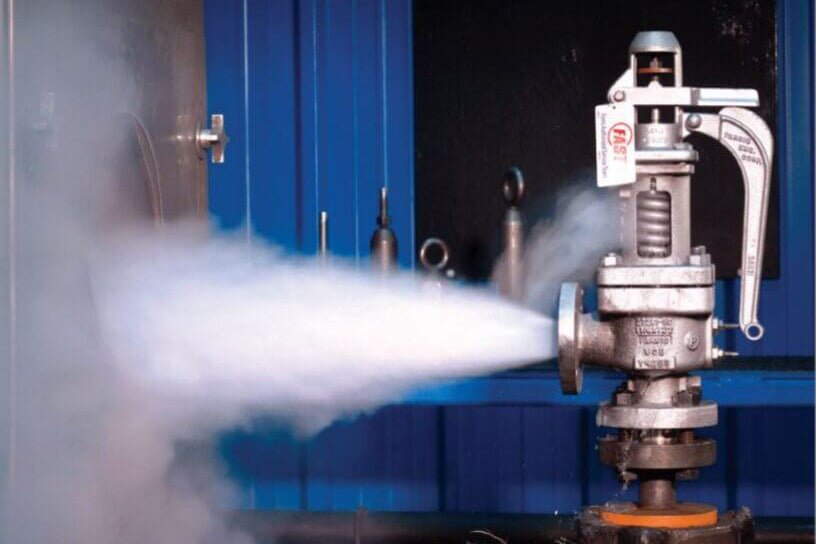
Understanding PRV Noise Problems
Noise generated by PRVs can vary in intensity and frequency. It arises primarily due to turbulent flow, which is a result of high-velocity fluid passing through the valve. This noise can be disruptive and may lead to a stressful work environment.
Causes of PRV Vibration
Vibration in PRVs often occurs alongside noise. It is usually caused by unbalanced forces within the valve due to fluid dynamics. This can lead to mechanical wear and tear, reducing the lifespan of the equipment.
Fluid Dynamics and Turbulence
The primary cause of both noise and vibration is the turbulence created when the fluid passes through the valve at high speeds. This turbulence is influenced by factors such as valve design, fluid type, and pressure conditions.
Impact of PRV Noise and Vibration
The impact of PRV noise and vibration issues extends beyond mere annoyance. These issues can lead to structural damage, increased maintenance costs, and operational inefficiencies. Furthermore, they can affect the health and safety of personnel working near the equipment.
Structural Damage
Continuous vibration can lead to metal fatigue and eventual failure of the valve or the system it is part of. This can result in costly repairs and downtime.
Operational Inefficiencies
Excessive noise and vibration can indicate inefficiencies in the system, such as improper valve sizing or installation. This can lead to increased energy consumption and reduced system performance.
Solutions for PRV Noise and Vibration
Addressing PRV noise and vibration issues requires a multifaceted approach, focusing on design, installation, and maintenance.
Proper Valve Sizing and Selection
Ensuring that the valve is appropriately sized for the application is crucial. An undersized or oversized valve can exacerbate noise and vibration problems. For more insights on valve sizing, visit valve pressure settings.
Regular Maintenance
Regular maintenance can help identify and rectify issues before they escalate. This includes checking for wear and tear, ensuring proper lubrication, and replacing damaged components. For detailed procedures, see PRV replacement procedure.
Installation Best Practices
Following best practices during installation can minimize noise and vibration. This includes ensuring proper alignment and support for the valve and associated piping. For proper orientation techniques, refer to proper PRV orientation.
Advanced Noise and Vibration Control Techniques
In cases where basic solutions are insufficient, advanced techniques may be necessary. These include using silencers, vibration dampeners, and advanced materials.
Use of Silencers
Silencers can be installed to reduce noise levels significantly. These devices work by absorbing sound energy and reducing the amplitude of sound waves.
Vibration Dampeners
Dampeners can be used to absorb vibrations, reducing the stress on mechanical components. This helps in prolonging the life of the equipment.
Advanced Materials
Utilizing advanced materials that are resistant to wear and tear can help in reducing both noise and vibration. These materials can withstand higher pressures and temperatures.
Monitoring and Analysis
Regular monitoring and analysis can help in early detection of potential issues. This involves using sensors and diagnostic tools to measure noise and vibration levels.
Use of Sensors
Sensors can be installed to continuously monitor the performance of the valve. They provide real-time data, allowing for prompt action when needed.
Diagnostic Tools
Advanced diagnostic tools can be used to analyze noise and vibration patterns. This helps in identifying the root cause and implementing appropriate solutions.
Conclusion
Addressing PRV noise and vibration issues is crucial for maintaining system efficiency and safety. By understanding the causes and implementing appropriate solutions, industries can ensure smooth and reliable operations.
Frequently Asked Questions
What causes noise in PRVs?
Noise in PRVs is primarily caused by turbulent flow as fluid passes through the valve at high velocity.
How can PRV vibration be reduced?
PRV vibration can be reduced by ensuring proper valve sizing, installation, and regular maintenance.
Why is it important to address PRV noise and vibration?
Addressing these issues is important to prevent structural damage, reduce maintenance costs, and improve operational efficiency.
For more comprehensive information on pressure relief valves, visit pressure relief valves guide.
This article contains affiliate links. We may earn a commission at no extra cost to you.