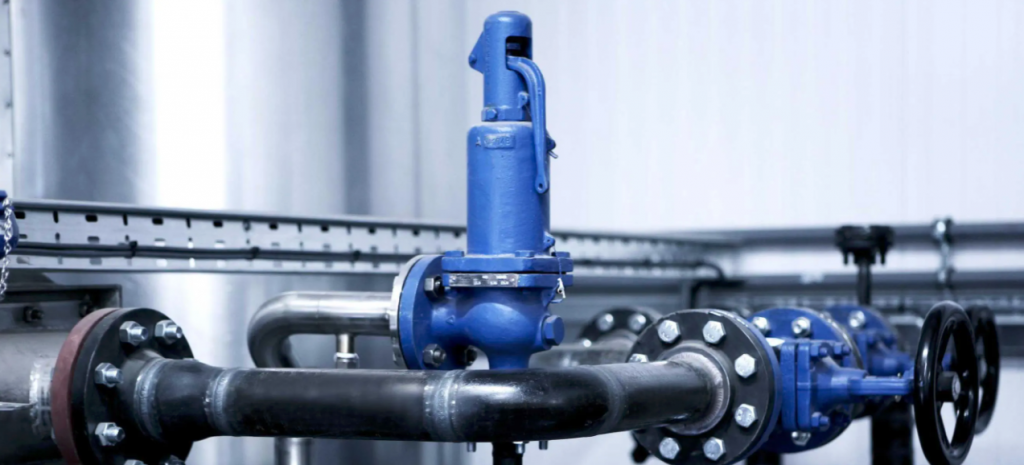

The concept of PRV, or Pressure Relief Valve, plays a crucial role in the pharmaceutical manufacturing industry. Ensuring safety and efficiency within these complex systems is of utmost importance. The use and implementation of PRVs are essential for maintaining pressure levels, preventing potential hazards, and ensuring the smooth operation of pharmaceutical processes.
The Importance of PRVs
In the pharmaceutical industry, maintaining precise pressure levels is critical. The Pressure Relief Valve acts as a safety device designed to protect equipment and personnel by controlling or limiting the pressure within a system. Without these valves, the risk of overpressure conditions could lead to equipment failure or even catastrophic events.
How PRVs Work
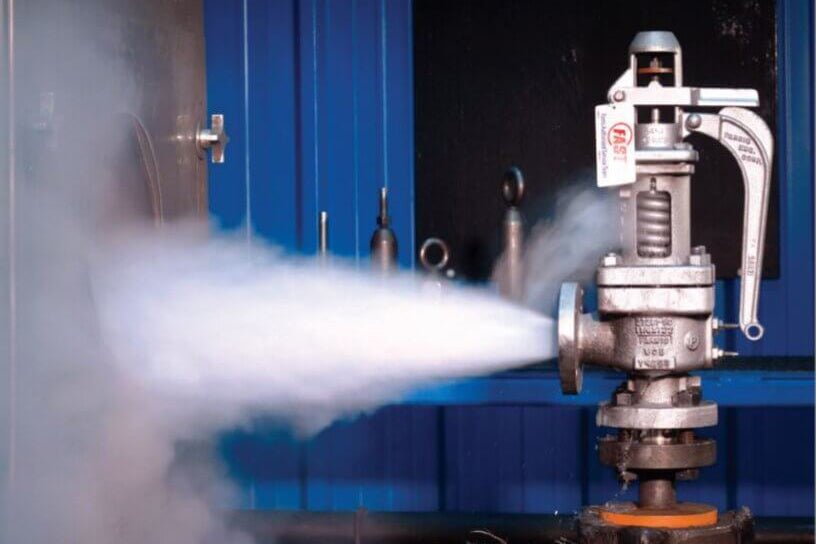
PRVs function by automatically opening at a predetermined set pressure to allow excess pressure to escape. This prevents pressure build-up that could potentially damage the system. Once the pressure returns to a safe level, the valve closes, allowing the system to operate normally again.
Types of PRVs in the Pharmaceutical Industry
There are various types of Pressure Relief Valves used in pharmaceutical manufacturing, each designed for specific applications and conditions. Understanding these types is crucial for selecting the right PRV for a given process.
Spring-Loaded PRVs
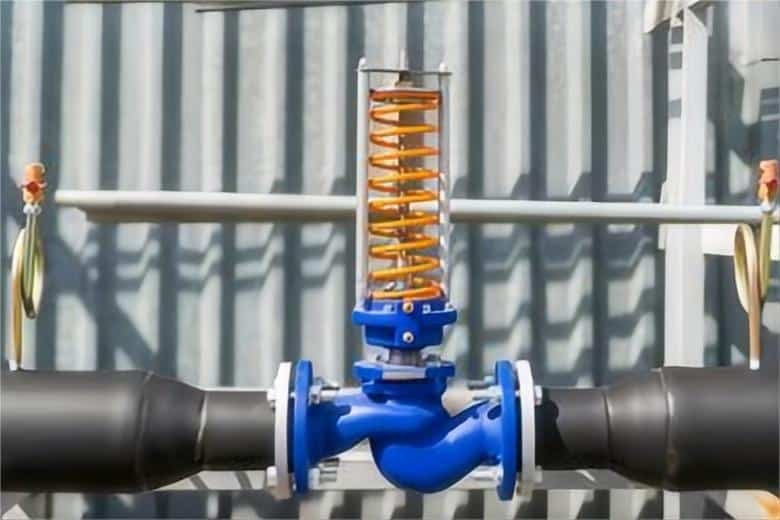
Spring-loaded PRVs are the most common type used in the industry. They use a spring mechanism to control the opening and closing of the valve. The tension of the spring determines the pressure at which the valve will open.
Pilot-Operated PRVs
Pilot-operated PRVs offer greater accuracy and sensitivity. They utilize a pilot valve to control the main valve, allowing for precise control over pressure levels within the system.
Choosing the Right PRV
Selecting the appropriate Pressure Relief Valve involves considering several factors, including the type of fluid, operating temperature, and pressure requirements. It’s important to assess these criteria to ensure the safety and efficiency of the pharmaceutical process.
Factors to Consider
When choosing a PRV, factors such as the set pressure, back pressure, and flow capacity must be evaluated. Additionally, considerations around materials compatibility and environmental conditions are essential for making an informed decision.
Installation and Maintenance
Proper installation and maintenance of PRVs are vital for their effective functioning. Regular inspections and servicing help prevent issues such as valve seat wear and ensure the valve continues to operate as intended.
Installation Guidelines
Correct installation involves ensuring the valve is properly oriented and accessible for maintenance. Improper installation can lead to malfunction and increased risk of system failure.
Maintenance Practices
Routine maintenance involves checking for leaks, testing valve functionality, and ensuring components are free of wear and tear. Implementing a regular maintenance schedule helps extend the lifespan of the PRV and maintains system integrity.
Common Challenges and Solutions
While PRVs are essential for safety, they can present challenges such as backpressure effects and valve wear. Understanding these challenges and implementing solutions is key to ensuring reliable system operation.
Backpressure Management
Backpressure can affect the performance of a PRV. Managing this involves properly sizing and installing the valve to minimize backpressure impact.
Addressing Valve Wear
Valve seat wear is a common issue that can affect the sealing capability of the PRV. Regular inspection and timely repair are necessary to prevent leaks and maintain optimal performance.
Future Trends in PRV Technology
The pharmaceutical industry continues to evolve, and so does PRV technology. Innovations in materials, design, and digital monitoring are enhancing the reliability and efficiency of PRVs.
Innovative Materials
Advancements in materials science are leading to the development of more durable and corrosion-resistant PRVs, extending their lifespan and reducing maintenance needs.
Digital Monitoring
Digital monitoring systems are becoming increasingly integrated into PRV technology, allowing for real-time tracking of pressure levels and valve performance. This proactive approach helps prevent issues before they escalate.
Conclusion
In conclusion, PRVs are indispensable components in pharmaceutical manufacturing, ensuring safety and efficiency by maintaining proper pressure levels within systems. By understanding the types, functions, and maintenance practices associated with PRVs, industry professionals can make informed decisions to optimize their processes.
FAQs
What is a Pressure Relief Valve?
A Pressure Relief Valve is a safety device designed to control or limit pressure within a system by allowing excess pressure to escape when necessary.
What factors should be considered when choosing a PRV?
Factors such as set pressure, back pressure, flow capacity, and material compatibility should be considered when selecting the appropriate PRV for a process.
Why is regular maintenance important for PRVs?
Regular maintenance ensures that the PRV functions correctly, preventing potential leaks and system failures due to wear and tear.
This article contains affiliate links. We may earn a commission at no extra cost to you.