The PRV for water systems, short for Pressure Reducing Valve, is a crucial component in maintaining the efficiency and safety of water systems. As industrial engineers, understanding the role and functionality of PRVs not only enhances system performance but also extends the lifecycle of the equipment involved. In this article, we will delve into various aspects of PRVs, including their importance, functioning, and maintenance.
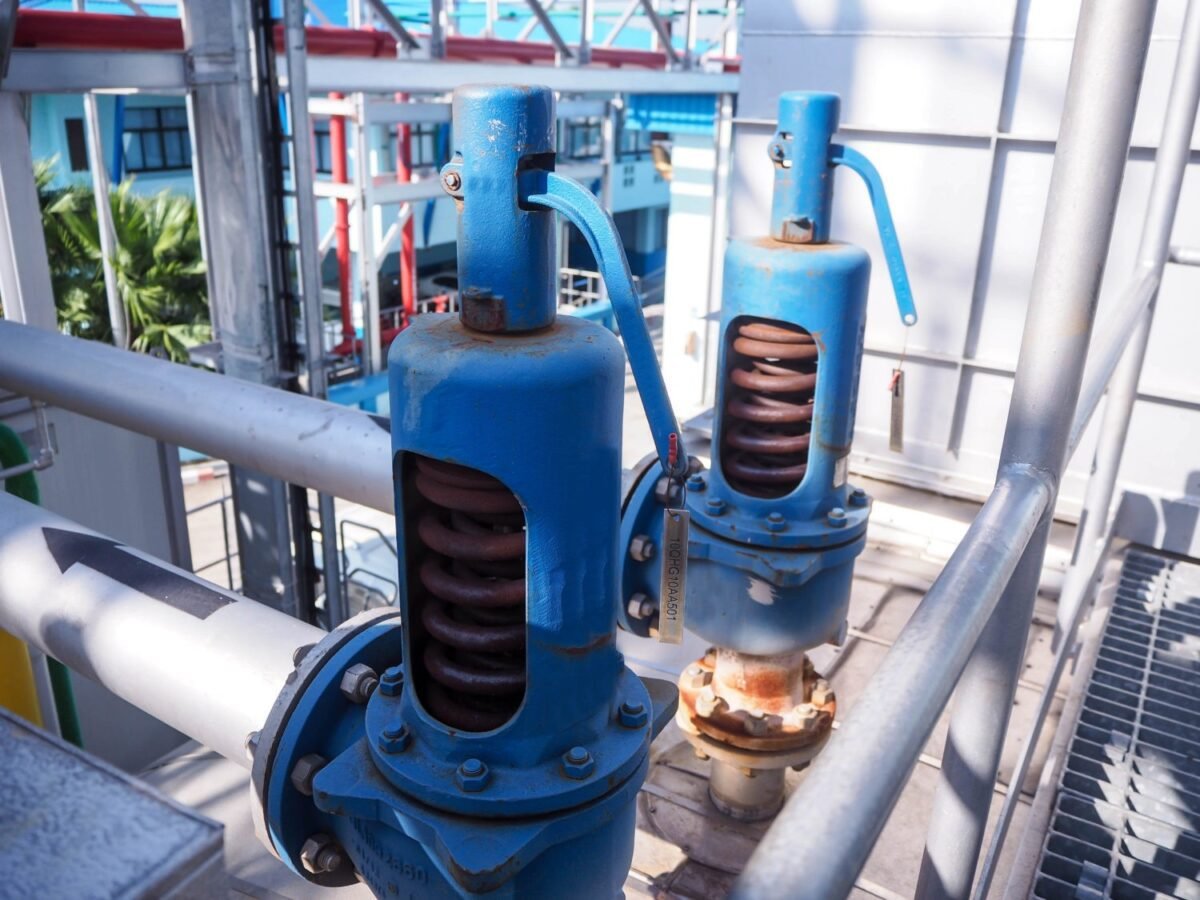
What is a Pressure Reducing Valve (PRV)?
A Pressure Reducing Valve is a device used to lower the incoming water pressure from the main water line to a level that is safe and suitable for the plumbing system. This regulation is essential to prevent damage to plumbing fixtures, reduce leakage, and ensure consistent water flow. The PRV also helps in conserving water by minimizing wastage due to excessive pressure.
Importance of PRV in Water Systems
The importance of PRVs cannot be overstated. Without proper pressure regulation, high water pressure can lead to burst pipes, leaks, and damage to appliances and fixtures. Furthermore, it can contribute to increased water bills due to wastage. By installing a PRV, these issues can be effectively mitigated, resulting in a more efficient and reliable water system.
Preventing Water Hammer
Water hammer is a common issue in plumbing systems characterized by a banging noise caused by a sudden change in water flow. A PRV helps in preventing this phenomenon by maintaining a steady and controlled pressure, thus protecting the pipes and fixtures from damage.
Enhancing System Longevity
By reducing the strain on plumbing components, a PRV significantly enhances the longevity of the water system. This not only reduces maintenance costs but also ensures uninterrupted service, which is crucial in industrial settings.
How Does a PRV Work?
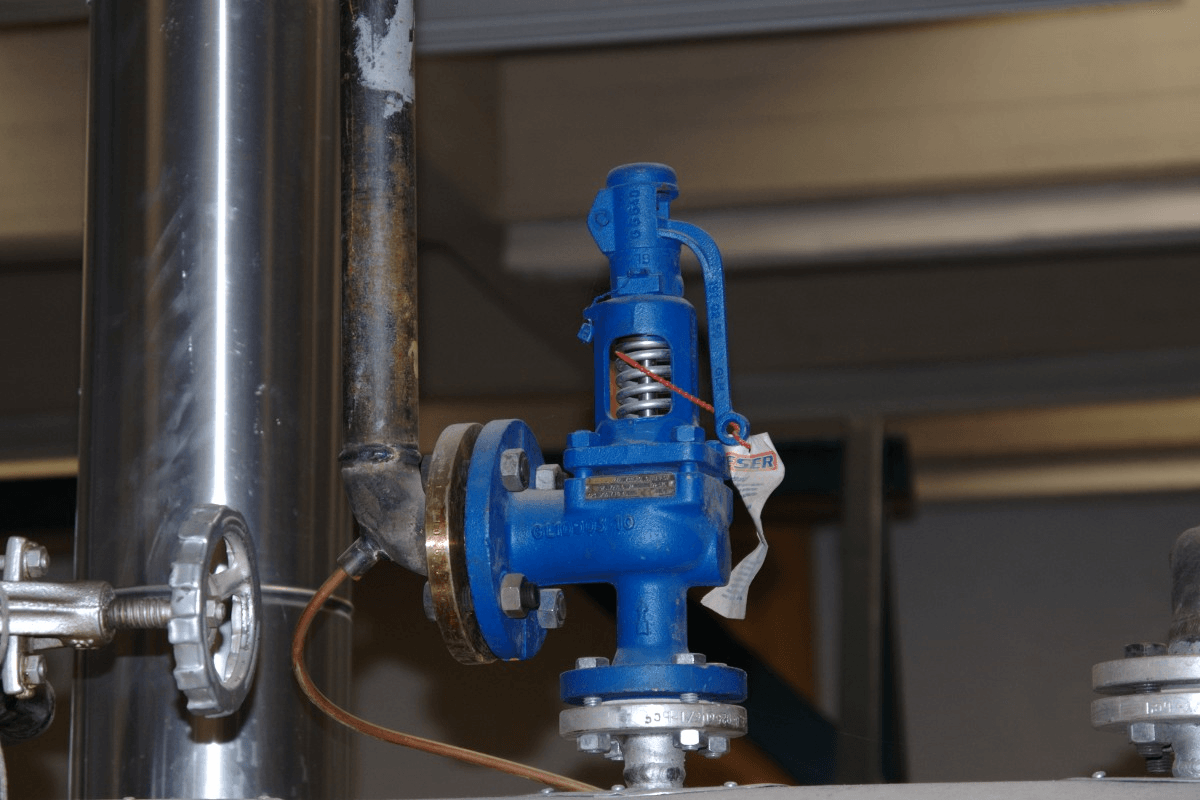
A PRV operates based on a spring-loaded diaphragm mechanism. When water enters the valve, it applies pressure to the diaphragm, which in turn compresses the spring. This compression adjusts the valve opening, thereby controlling the pressure of the outgoing water. The valve constantly modulates in response to changes in incoming pressure to maintain a consistent output.
Installation and Maintenance of PRVs
Proper installation and maintenance of PRVs are essential for optimal performance. It is recommended to install the PRV near the water meter to regulate the pressure throughout the entire system. Regular maintenance involves checking for leaks, monitoring pressure levels, and cleaning or replacing parts as necessary.
Choosing the Right PRV
Selecting the appropriate PRV is crucial for effective pressure management. Factors to consider include the size of the valve, the pressure range, and the material composition. It is advisable to consult with a professional to ensure compatibility with the specific water system.
Common Issues and Solutions
Common issues with PRVs include leaks, pressure fluctuations, and wear and tear. Regular inspections and timely replacements are key to addressing these problems. For more detailed procedures, you can refer to the PRV Replacement Procedure guide.
FAQs about PRVs
How often should a PRV be inspected?
It is recommended to inspect a PRV annually to ensure it is functioning properly and to address any potential issues before they become serious problems.
Can a PRV help in reducing water bills?
Yes, by maintaining optimal water pressure, a PRV reduces water wastage, which can result in lower water bills.
What are the signs of a faulty PRV?
Common signs of a faulty PRV include inconsistent water pressure, unusual noises in the plumbing system, and visible leaks around the valve.
For further details on the differences between pressure relief valves and safety valves, you can visit this external resource.
This article contains affiliate links. We may earn a commission at no extra cost to you.