
In the realm of industrial engineering, the efficient and safe operation of steam systems is paramount. At the heart of these systems lies the Pressure Reducing Valve (PRV), a crucial component that ensures optimal functioning and safety. Understanding the role and functioning of a PRV for steam systems is essential for engineers and technicians working in this field.
What is a PRV?
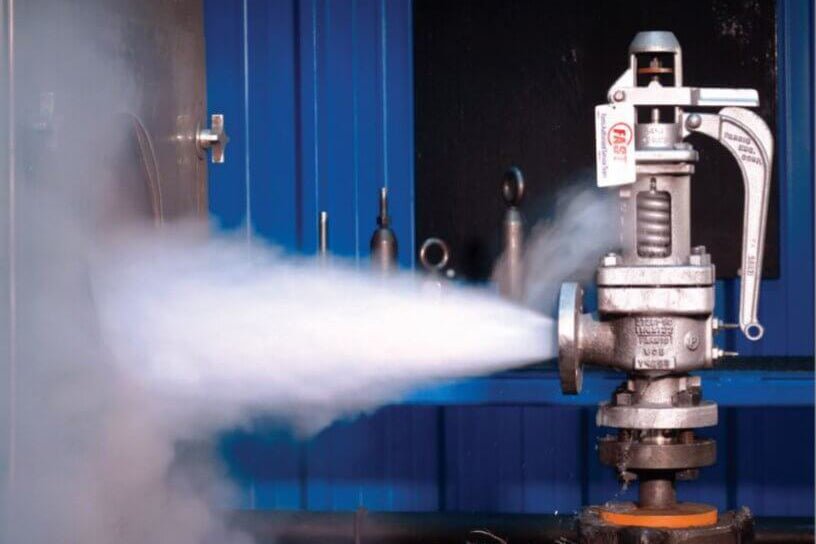
A Pressure Reducing Valve (PRV) is a device used to reduce the pressure of a fluid from a high inlet pressure to a lower outlet pressure. It is commonly used in steam systems to maintain the desired pressure levels, ensuring safety and efficiency. The PRV operates automatically, adjusting the pressure as needed to accommodate changes in demand or system conditions.
The Importance of PRVs in Steam Systems
The role of a PRV in a steam system cannot be overstated. These valves help in maintaining the necessary pressure levels, preventing excessive pressure that could lead to system failures or hazards. By ensuring a consistent pressure, PRVs also contribute to energy efficiency and prolong the lifespan of the system components.
Components of a PRV for Steam Systems
A typical PRV consists of several key components:
Inlet and Outlet Ports
The inlet port is where the high-pressure steam enters, and the outlet port is where the reduced-pressure steam exits. These ports are designed to handle the specific flow rates of the system.
Control Mechanism
The control mechanism is responsible for regulating the pressure. It typically consists of a diaphragm or piston that adjusts the valve position based on the pressure differential.
Spring or Diaphragm
The spring or diaphragm provides the necessary force to open or close the valve. The tension of the spring or the flexibility of the diaphragm determines the pressure settings.
Working Principle of PRVs
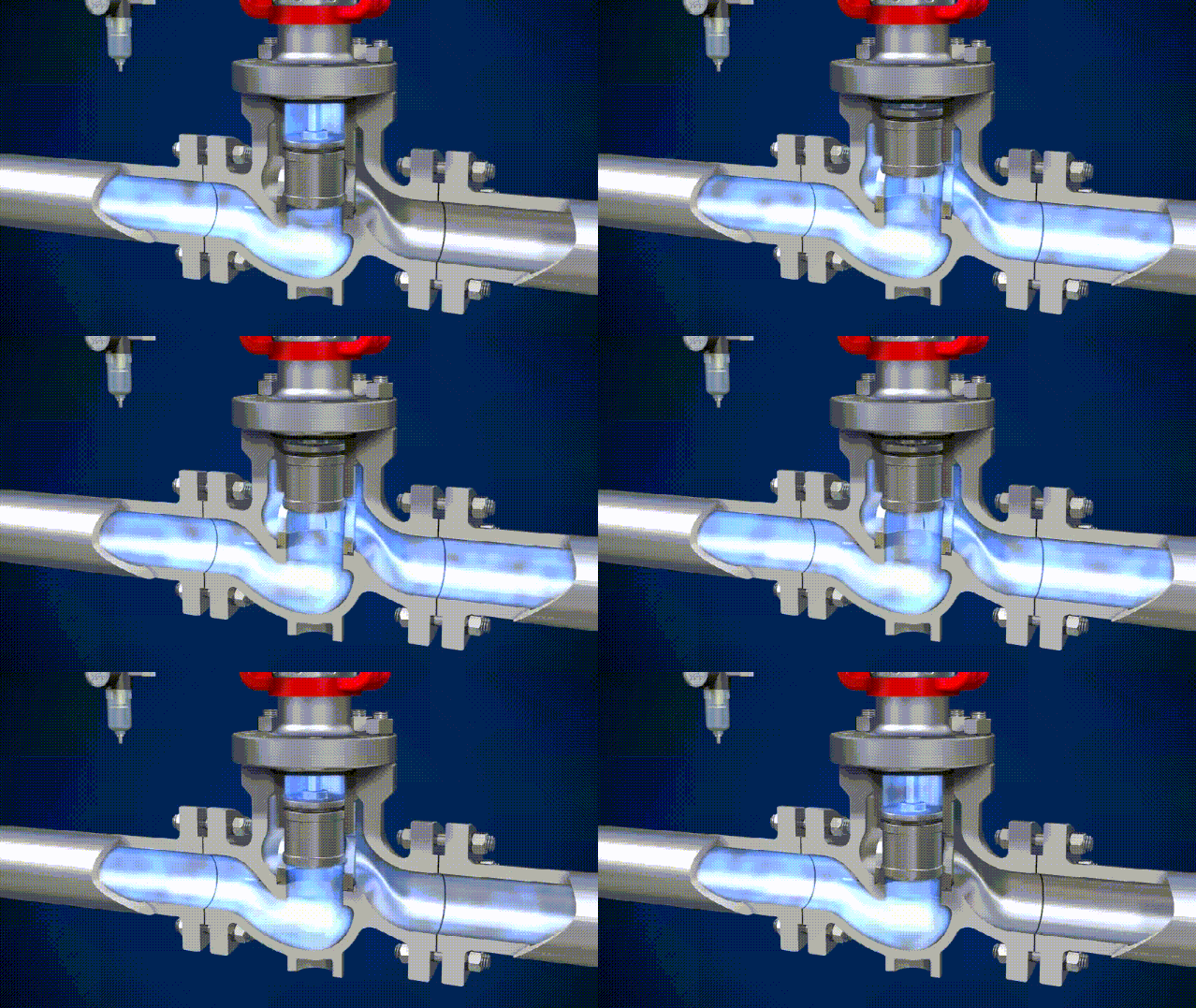
The operation of a PRV is based on the principle of balancing forces. When the inlet pressure exceeds the set pressure, the valve opens to allow steam to pass through to the outlet. As the outlet pressure increases, the valve closes gradually to maintain the desired pressure level.
Types of PRVs Used in Steam Systems
Direct Acting PRVs
Direct acting PRVs use a spring mechanism to regulate pressure. They are simple in design, making them ideal for smaller systems with lower pressure requirements.
Pilot Operated PRVs
Pilot operated PRVs are more complex and suitable for larger systems with higher pressure demands. They use a pilot valve to control the main valve, offering greater accuracy and stability.
Installation Guidelines for PRVs in Steam Systems
Proper installation of a PRV is crucial for its effective operation. Here are some guidelines:
Location
Install the PRV as close as possible to the equipment it serves. This minimizes pressure loss and ensures optimal performance.
Orientation
Ensure the valve is installed in the correct orientation, with the flow direction matching the manufacturer’s specifications.
Support
Provide adequate support to the piping system to prevent vibrations or stress on the valve.
Common Challenges with PRVs in Steam Systems
While PRVs are essential, they can encounter issues such as:
Blockages
Dirt or debris can cause blockages, affecting the valve’s performance. Regular maintenance is crucial to prevent this.
Wear and Tear
Over time, components may wear out, leading to leaks or pressure fluctuations. Routine inspections can help identify and address these issues.
Maintenance Practices for PRVs
Regular maintenance is key to ensuring the longevity and effectiveness of PRVs. Some best practices include:
Regular Inspections
Conduct routine inspections to check for leaks, corrosion, or other signs of wear.
Cleaning
Ensure the valve and its components are clean and free from debris.
Testing
Perform periodic testing to verify the valve’s performance and pressure settings.
Benefits of Using PRVs in Steam Systems
Integrating PRVs into steam systems offers several advantages:
Energy Efficiency
By maintaining optimal pressure levels, PRVs contribute to energy savings and reduced operational costs.
Safety
PRVs prevent excessive pressure build-up, reducing the risk of system failures and accidents.
System Longevity
Consistent pressure regulation helps prolong the life of system components, reducing the need for frequent replacements.
Industry Standards and Regulations for PRVs
Compliance with industry standards is crucial for the safe and effective operation of PRVs. Some key standards include:
ASME Code
The ASME Code outlines the design, testing, and installation requirements for pressure relief valves.
API Standards
The API Standards provide guidelines for the dimensions and materials used in PRVs.
FAQs About PRVs in Steam Systems
What is the primary function of a PRV in a steam system?
The primary function of a PRV in a steam system is to reduce and maintain the pressure at a safe and operational level, ensuring system efficiency and safety.
How often should PRVs be inspected?
It is recommended to inspect PRVs at least once a year, but more frequent inspections may be necessary depending on the system’s operating conditions.
Can I install a PRV without professional help?
While it’s possible to install a PRV without professional help, it is advisable to consult a professional to ensure proper installation and compliance with industry standards.
For more detailed information on Pressure Reducing Valves, you can visit this comprehensive guide.
This article contains affiliate links. We may earn a commission at no extra cost to you.