In the world of sanitary systems, maintaining proper pressure levels is crucial for both safety and efficiency. At the heart of this process lies the Pressure Relief Valve (PRV), a critical component that ensures systems operate within safe pressure limits. Understanding the role of PRV for sanitary systems is essential for anyone involved in the design, operation, or maintenance of these systems.
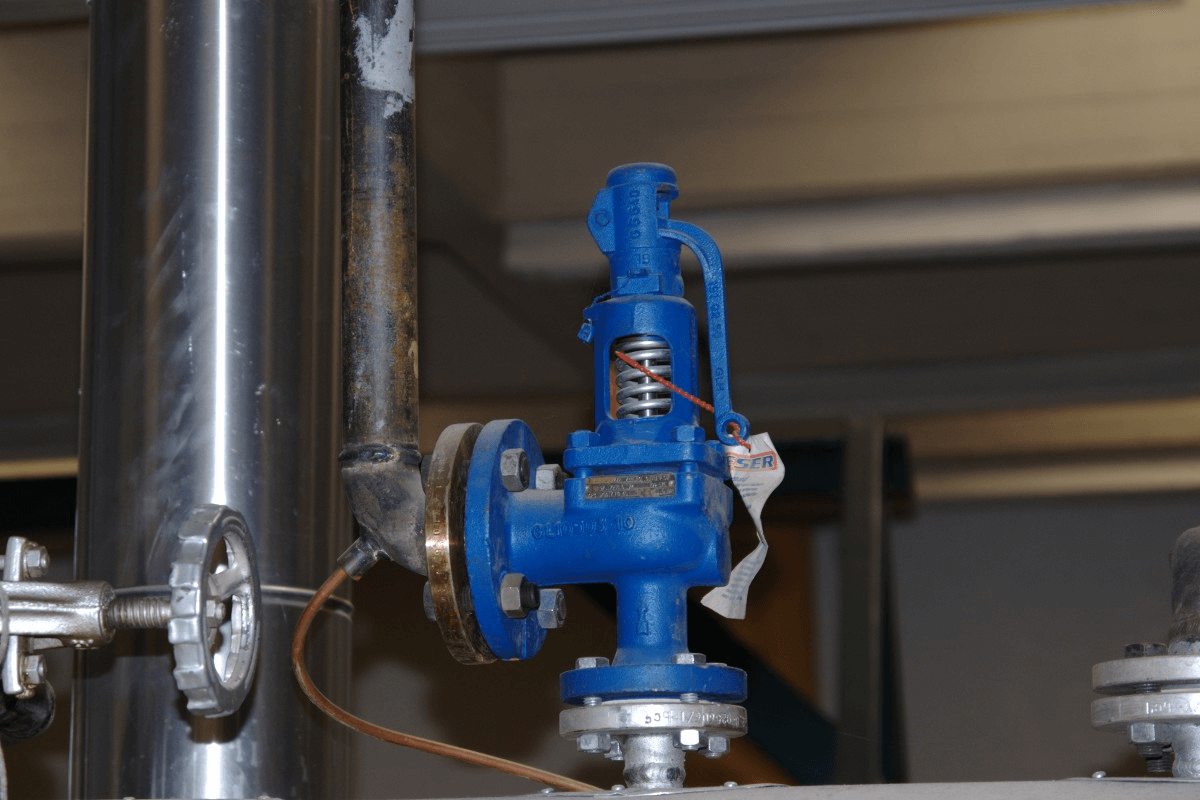
What is a PRV?
A Pressure Relief Valve (PRV) is a safety device used to control or limit the pressure in a system. If the pressure exceeds a preset level, the valve opens to allow the excess pressure to be released, thus preventing potential system failure or damage. This is particularly important in sanitary systems where maintaining clean and safe conditions is paramount.
Importance of PRV in Sanitary Systems
The significance of a PRV in sanitary systems cannot be overstated. These valves ensure that the system operates within its designed pressure range, thereby preventing leaks, ruptures, and possible contamination. The use of proper PRV orientation is crucial for the optimal functioning of these valves.
Preventing System Overpressure
Overpressure can lead to catastrophic failures in sanitary systems. The PRV acts as a safeguard by releasing excess pressure, thus preventing accidents and ensuring the safety of both the system and its operators.
Maintaining Hygienic Conditions
In sanitary systems, maintaining hygiene is of utmost importance. A malfunctioning system due to overpressure can lead to leaks and contamination. The PRV, by maintaining pressure levels, plays a vital role in ensuring that hygienic conditions are upheld.
How Does a PRV Work?
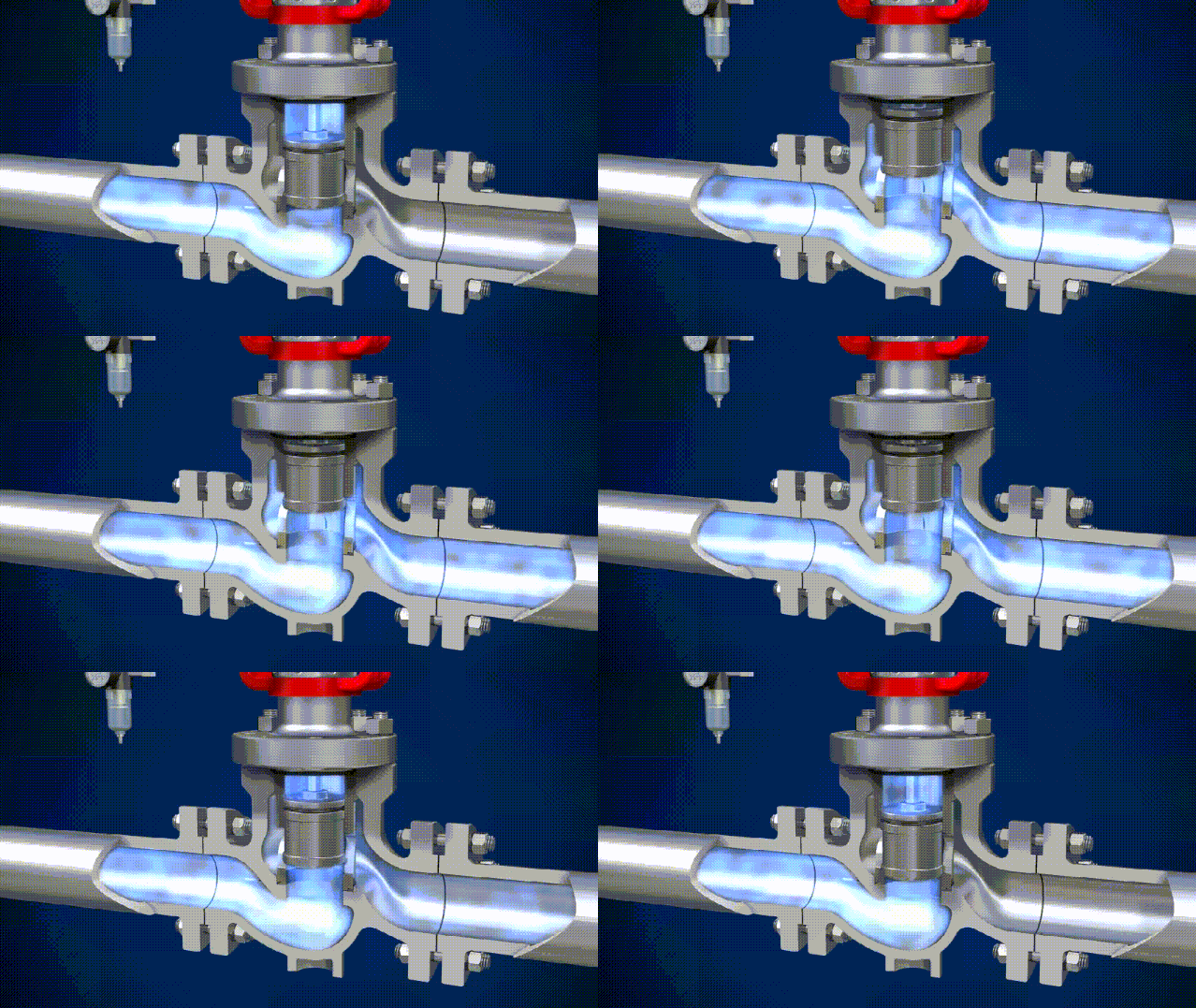
The functioning of a PRV is based on a simple principle: when the pressure in a system exceeds the set limit, the valve opens to release the excess pressure. Once normal pressure is restored, the valve closes again. This prevents any potential damage to the system due to overpressure.
Choosing the Right PRV for Sanitary Systems
Selecting the appropriate PRV for your sanitary system is crucial. Factors such as system pressure, temperature, and the nature of the fluid being handled must be considered. For detailed guidance, refer to resources like designing for PRV accessibility.
Material Compatibility
Ensure that the materials used in the PRV are compatible with the fluids in the system to prevent corrosion and maintain system integrity.
Size and Pressure Ratings
Choosing the correct size and pressure ratings for your PRV is essential for optimal performance. An improperly sized valve can lead to system inefficiencies and potential failures.
Installation and Maintenance
Proper installation and regular maintenance of the PRV are essential for its effective functioning. Regular checks and maintenance schedules should be established to ensure the valve operates correctly.
Installation Guidelines
Follow manufacturer guidelines for the correct installation of PRVs. This includes ensuring that the valve is installed in the correct position and that all connections are secure.
Regular Maintenance
Regular maintenance is critical for the longevity and effectiveness of PRVs. This includes periodic inspections and testing to ensure the valve is functioning correctly.
Common Issues and Troubleshooting
Occasionally, issues may arise with PRVs. Understanding these common problems and their solutions can help maintain the efficiency and safety of sanitary systems.
Valve Seat Wear
Valve seat wear can lead to leaks and reduced performance. Regular inspections and valve seat wear and repair can prevent these issues.
Backflow Prevention
Ensuring that the PRV is equipped with the necessary features for PRV backflow prevention is essential to maintain system integrity.
Advantages of Using PRVs in Sanitary Systems
The use of PRVs in sanitary systems offers numerous advantages, including enhanced safety, improved system efficiency, and reduced maintenance costs.
Enhanced Safety
PRVs play a crucial role in ensuring the safety of sanitary systems by preventing overpressure and potential system failures.
Improved System Efficiency
By maintaining optimal pressure levels, PRVs enhance the overall efficiency of sanitary systems, ensuring smooth and uninterrupted operations.
Cost-Effective Maintenance
Regular use of PRVs reduces the need for frequent repairs and system downtime, leading to cost savings in the long run.
External Resources
For further reading on Pressure Relief Valves and their applications, consider exploring external resources like Safety Relief Valves: The Pressure is On.
Conclusion
In conclusion, the role of PRVs in sanitary systems is indispensable. They are essential components that ensure the safety, efficiency, and longevity of the systems they serve. Understanding their function, proper selection, installation, and maintenance can significantly enhance the performance of any sanitary system.
FAQ
What is the primary function of a PRV?
The primary function of a Pressure Relief Valve (PRV) is to prevent overpressure in a system by releasing excess pressure to maintain safe operating conditions.
How often should PRVs be maintained?
PRVs should be inspected and maintained regularly, at least annually, to ensure they are functioning correctly and to prevent potential system failures.
Can PRVs be used in all sanitary systems?
Yes, PRVs can be used in most sanitary systems, but it’s important to choose the right type and size for your specific system requirements.
This article contains affiliate links. We may earn a commission at no extra cost to you.