In the world of industrial engineering, understanding the importance and application of a Pressure Relief Valve (PRV) is crucial. Especially when it comes to cryogenic systems, the role of a PRV cannot be overstated. These specialized valves are designed to protect equipment from overpressure, ensuring safety and efficiency in industrial operations. Let’s delve into the significance and functioning of PRVs in the cryogenic sector.
What is a PRV?
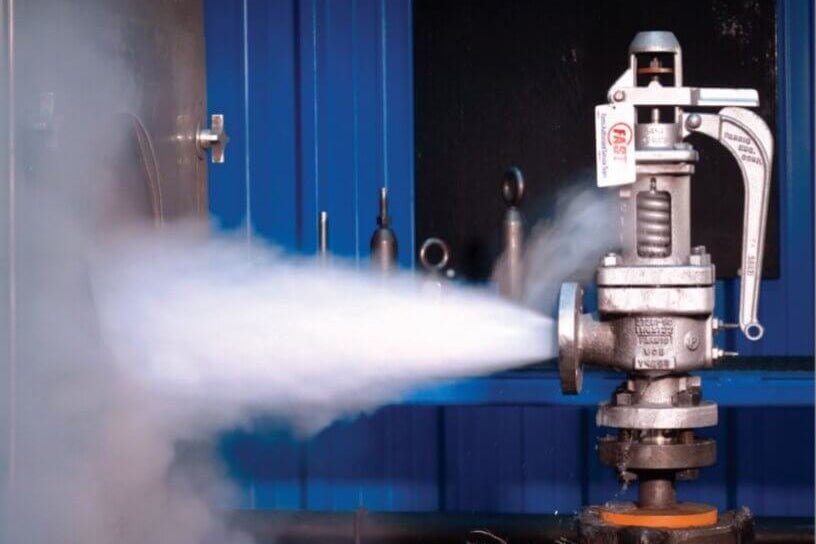
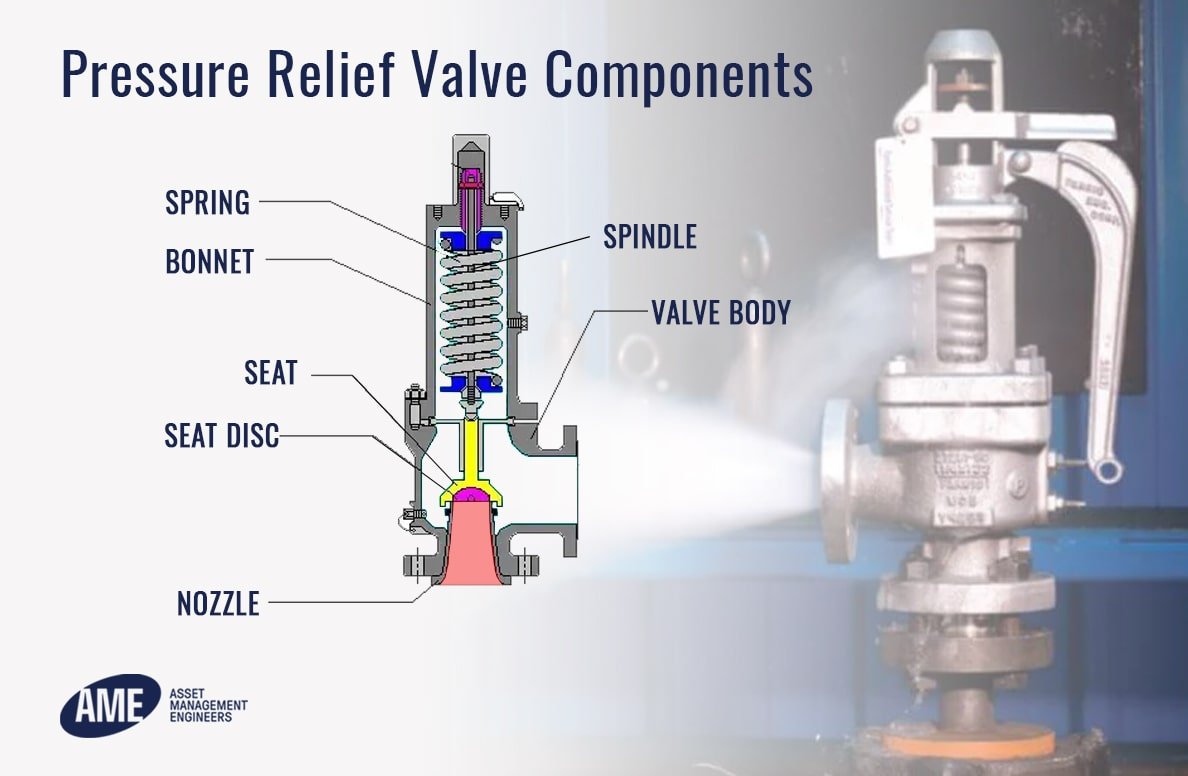
A Pressure Relief Valve is a safety device designed to control or limit the pressure in a system. Without a PRV, pressure can build up, potentially leading to equipment failure or even catastrophic accidents. These valves open at a predetermined set pressure to release excess pressure, then close once normal conditions are restored.
Why are PRVs Essential in Cryogenic Systems?
Cryogenic systems deal with extremely low temperatures and high pressures. The materials and equipment used in these systems are subjected to intense conditions, making the integration of a reliable PRV a necessity. A PRV ensures that the system maintains its integrity and operates safely, even in the event of unexpected pressure surges.
Materials Used in Cryogenic PRVs
The materials used in manufacturing cryogenic PRVs are specifically chosen to withstand low temperatures. Stainless steel and other alloys are commonly used due to their resilience and durability in harsh environments.
Functionality of PRVs in Cryogenic Systems
The primary function of a PRV in a cryogenic system is to maintain pressure balance. When the pressure exceeds the set limit, the valve opens to release the excess, preventing damage and ensuring safety. Once the pressure returns to normal, the valve closes to maintain system integrity.
Installation Best Practices
Proper installation is crucial for the efficient functioning of a PRV. It is vital to follow guidelines for PRV orientation and positioning to ensure optimal performance.
Common Issues with Cryogenic PRVs
Over time, PRVs can experience wear and tear, leading to potential failures. Regular maintenance and inspection are necessary to identify issues such as valve seat wear. For more information on this, visit our page on valve seat wear.
Signs of PRV Malfunction
Some common signs of PRV malfunction include leaks, unusual noise, and frequent activation. Addressing these issues promptly can prevent costly repairs and downtime.
How to Select the Right PRV for Cryogenic Systems
Choosing the right PRV involves understanding the system’s pressure range and temperature requirements. It is essential to consult with professionals and refer to industry standards to make informed decisions.
Considerations for Optimal Selection
Key factors to consider when selecting a PRV include the type of cryogenic fluid, operating pressure and temperature, and the specific application needs.
Maintenance Tips for Cryogenic PRVs
Regular maintenance is crucial for the longevity and reliability of cryogenic PRVs. Scheduled inspections and cleaning can prevent issues and ensure smooth operations.
Importance of Regular Inspection
Regular inspection helps identify potential problems before they escalate. It is a proactive approach to maintaining system safety and performance.
Cleaning and Lubrication
Cleaning and lubrication of the PRV components are essential to prevent corrosion and ensure smooth operation. Use appropriate cleaning agents and follow manufacturer recommendations.
Advancements in PRV Technology
Technological advancements have led to the development of more efficient and reliable PRVs. Modern valves offer enhanced safety features and improved performance metrics.
Automation in PRVs
The integration of automation in PRVs has revolutionized their functionality. Automated systems offer real-time monitoring and remote operation capabilities, enhancing system efficiency.
Conclusion
The role of a PRV in cryogenic systems is indispensable. These valves ensure the safety and integrity of the systems operating under extreme conditions. By choosing the right PRV and adhering to maintenance protocols, industrial engineers can optimize system performance and safety. For more detailed information, visit this external resource on relief valves.
FAQs
What is the primary function of a PRV?
The primary function of a PRV is to release excess pressure from a system to prevent equipment damage and ensure safety.
How often should cryogenic PRVs be inspected?
Cryogenic PRVs should be inspected regularly, ideally as part of a scheduled maintenance program to ensure their proper functioning.
What materials are used in cryogenic PRVs?
Stainless steel and specialized alloys are commonly used in the construction of cryogenic PRVs due to their ability to withstand low temperatures and high pressures.
This article contains affiliate links. We may earn a commission at no extra cost to you.