
In the industrial sector, the use of ammonia systems is prevalent due to their efficiency in refrigeration. However, ensuring the safety of these systems is paramount. This is where the Pressure Relief Valve (PRV) comes into play. A PRV for ammonia systems is crucial for maintaining safety and operational efficiency.
Understanding the Role of PRVs
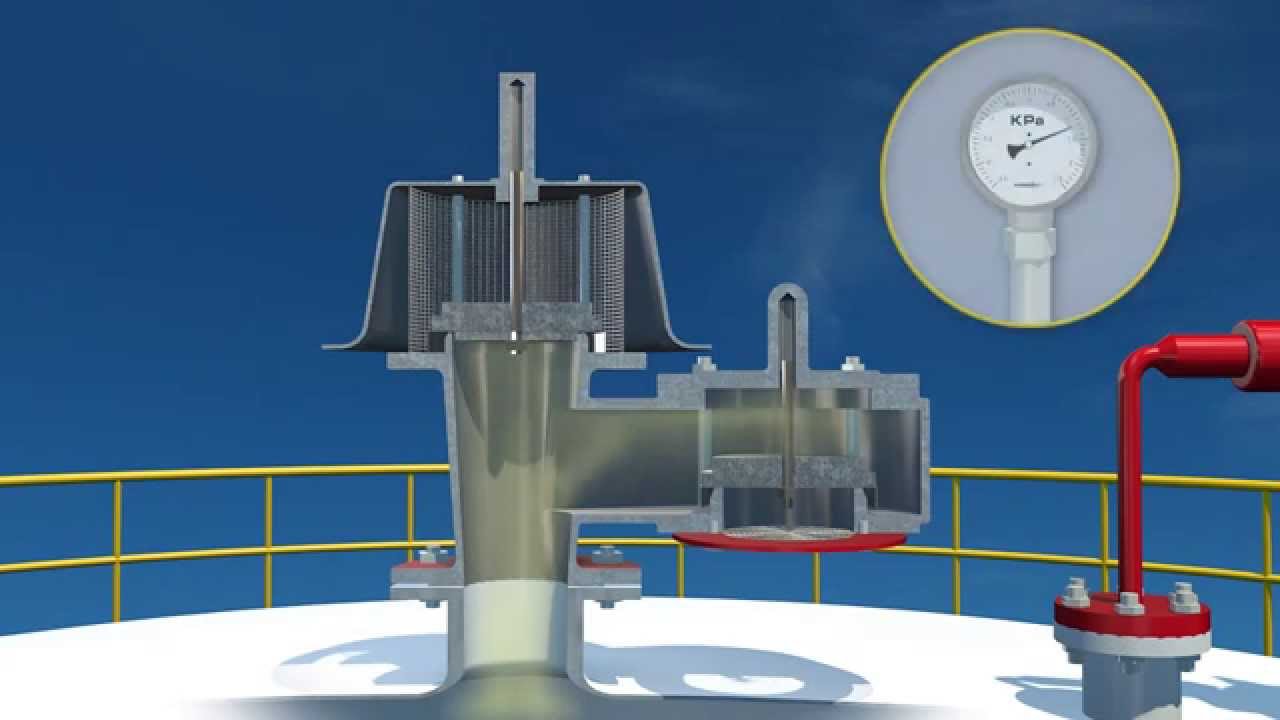
Pressure Relief Valves are designed to release excess pressure from a system to prevent potential hazards such as explosions or equipment failure. In ammonia systems, the PRV acts as a safety measure to mitigate risks associated with pressure build-up.
Why are PRVs Essential?
Without a properly functioning PRV, an ammonia system is at risk of overpressure, which can lead to catastrophic failures. The PRV ensures that the system operates within safe pressure limits, thereby safeguarding both the equipment and personnel.
Components of a PRV
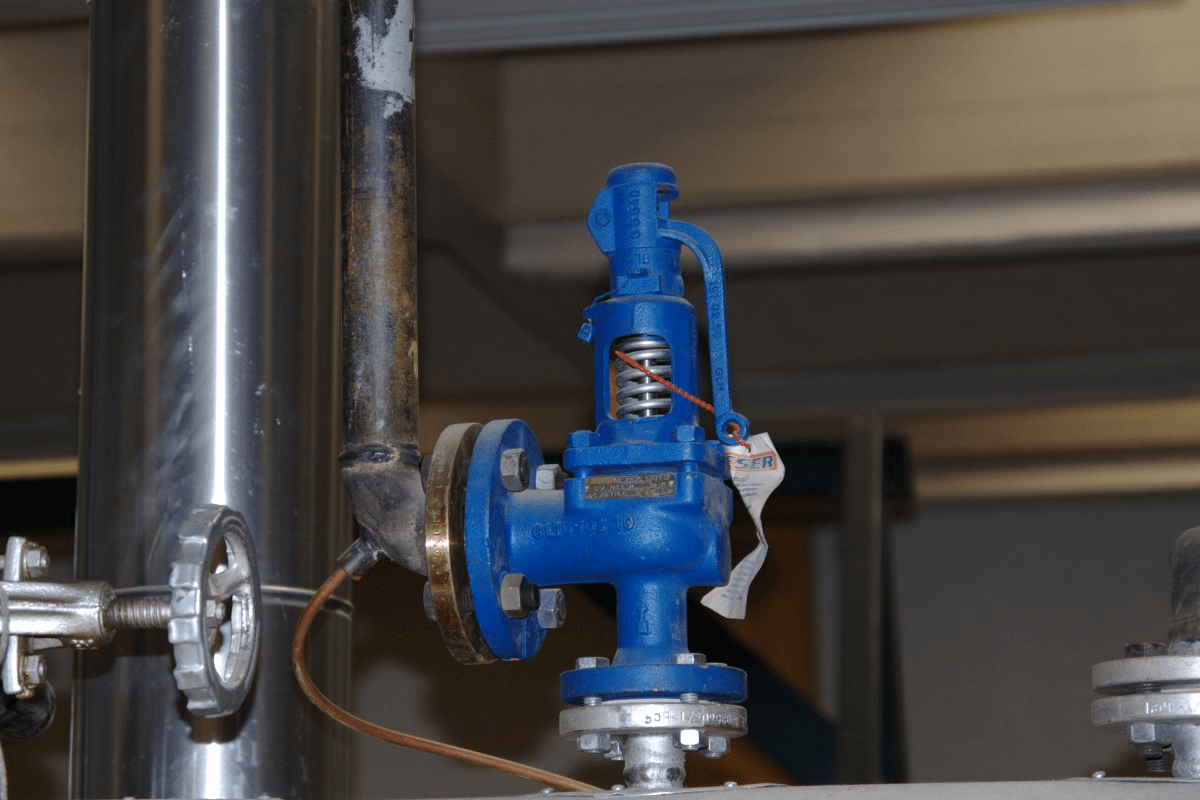
A typical PRV consists of several key components, each playing a vital role in its operation. These components include the valve body, spring, and disc. Understanding these components helps in selecting the right PRV for your ammonia system.
The Valve Body
The valve body houses the internal components of the PRV. It is designed to withstand the pressure and corrosive nature of ammonia.
The Spring
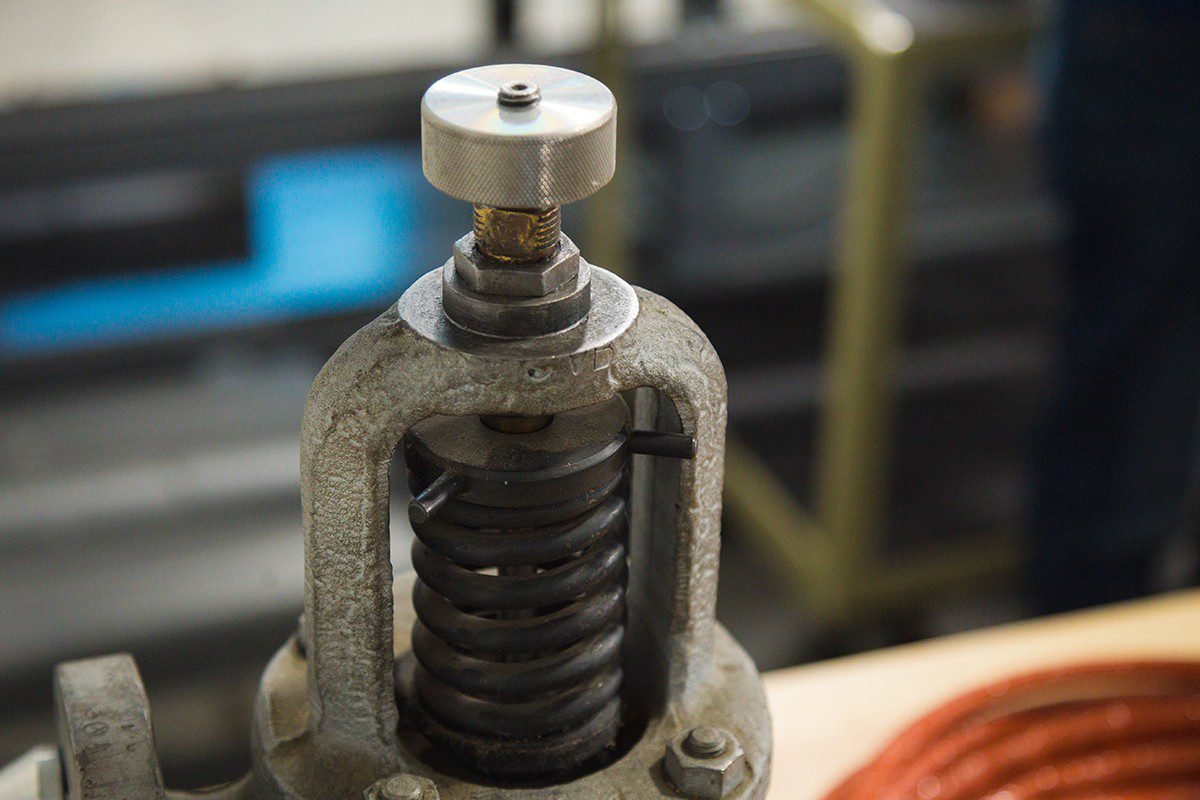
The spring is a critical component that determines the pressure set point at which the valve will open. It must be calibrated correctly to function effectively.
The Disc
The disc is responsible for sealing the valve. When the system pressure exceeds the set point, the disc lifts, allowing excess pressure to escape.
Types of PRVs for Ammonia Systems
There are various types of PRVs available, each suited for different applications. The most common types include spring-loaded PRVs, pilot-operated PRVs, and balanced bellows PRVs.
Spring-Loaded PRVs
Spring-loaded PRVs are the most traditional type. They are simple in design and offer reliable performance in ammonia systems.
Pilot-Operated PRVs
Pilot-operated PRVs provide more precise control over the relief pressure. They are ideal for systems where pressure fluctuations are common.
Balanced Bellows PRVs
These PRVs are designed to eliminate the effects of backpressure, making them suitable for systems with high backpressure conditions.
Installation and Maintenance of PRVs
Proper installation and regular maintenance of PRVs are crucial for their reliable operation. Proper orientation during installation ensures optimal performance.
Installation Tips
When installing a PRV, ensure it is placed in an accessible location for easy maintenance. The valve should be oriented correctly to prevent malfunctions.
Maintenance Practices
Regular maintenance involves inspecting the valve for signs of wear and tear. Valve seat wear should be monitored closely to prevent leakage.
Challenges in Ammonia Systems
Ammonia systems present unique challenges, such as corrosion and pressure fluctuations. Selecting the right PRV can help mitigate these challenges and ensure system reliability.
Corrosion Concerns
Ammonia is a corrosive substance, which can affect the longevity of PRVs. Choosing materials resistant to ammonia corrosion is essential.
Pressure Fluctuations
Pressure fluctuations are common in ammonia systems. A well-chosen PRV can adapt to these changes, maintaining system stability.
Advancements in PRV Technology
The field of pressure relief valves is constantly evolving. Recent advancements have led to the development of smarter, more efficient PRVs.
Smart PRVs
Smart PRVs come equipped with sensors that continuously monitor system pressure, providing real-time data for better control.
Energy Efficiency
Modern PRVs are designed to improve energy efficiency, reducing operational costs for ammonia systems.
Conclusion
In conclusion, the importance of a PRV for ammonia systems cannot be overstated. It plays a vital role in ensuring safety and efficiency. By understanding the different types, components, and maintenance practices, you can select the best PRV for your specific needs.
FAQs
What is the primary function of a PRV?
The primary function of a PRV is to release excess pressure from a system, preventing potential hazards.
How often should PRVs be inspected?
PRVs should be inspected regularly as part of routine maintenance to ensure they are functioning properly.
Can PRVs be used in other systems besides ammonia?
Yes, PRVs are versatile and can be used in various systems where pressure regulation is necessary.
For more information on pressure relief valves, visit ScienceDirect.
This article contains affiliate links. We may earn a commission at no extra cost to you.