In the realm of industrial engineering, ensuring the proper PRV orientation is crucial to maintaining the safety and efficiency of operations. A Pressure Relief Valve (PRV) is a critical component in many systems, designed to release pressure when it reaches a certain threshold, thereby preventing equipment damage or catastrophic failure. Understanding the intricacies of its orientation can significantly impact the system’s performance and safety. This article delves into the essential aspects of PRV orientation, offering insights and guidelines for industrial engineers.
Understanding the Basics of PRVs
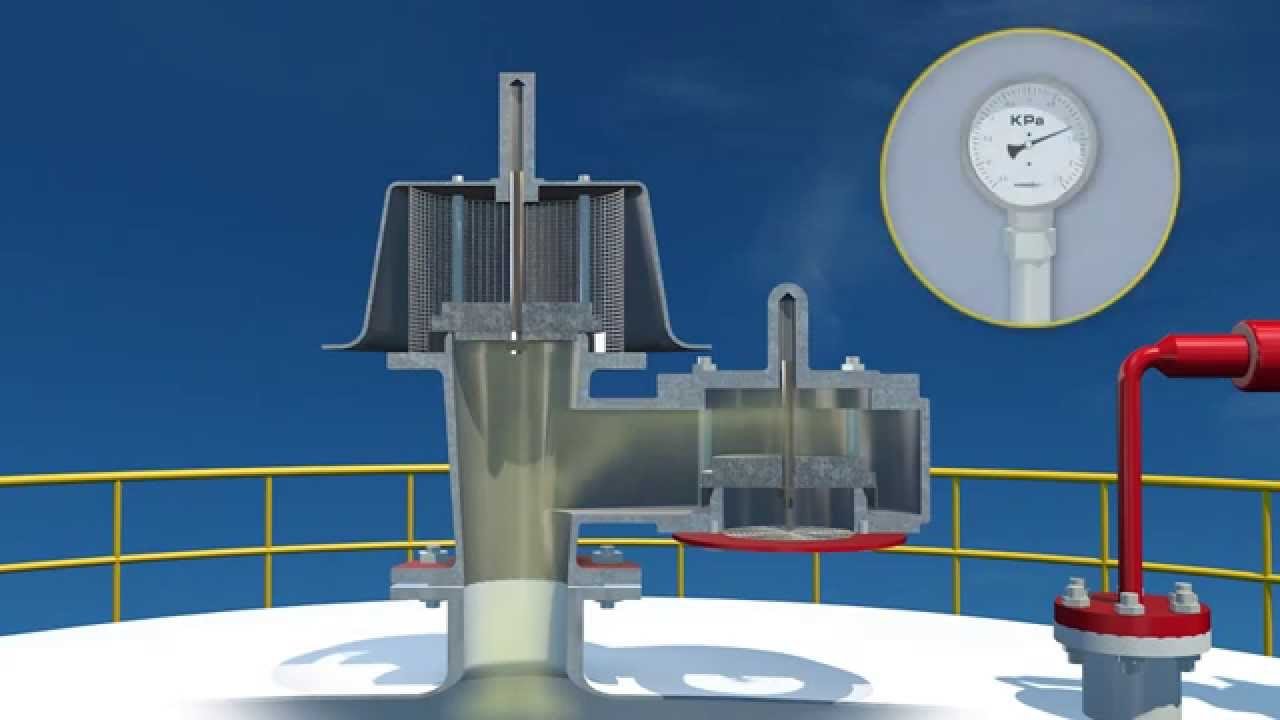
A Pressure Relief Valve is an essential safety device used in various industries. It acts as a last line of defense against overpressure by venting excess pressure. To explore further, you can refer to PRV design standards for an in-depth understanding.
The Importance of PRV Orientation
The orientation of a PRV plays a significant role in its functionality. Incorrect orientation can lead to operational failures, reduced efficiency, and even safety hazards. For a comprehensive look at why this is so important, check out valve pressure settings.
Key Considerations for Proper Orientation
When orienting a PRV, several factors must be considered to ensure optimal performance:
1. Installation Position
The installation position of a PRV is crucial. The valve should be installed vertically unless specified otherwise by the manufacturer. This orientation ensures that gravity assists in the proper functioning of the valve.
2. Accessibility
PRVs should be easily accessible for maintenance and inspection. This consideration is vital to ensure that the valve can be quickly checked and serviced without disrupting operations.
3. Discharge Piping
The discharge piping must be carefully designed and installed to minimize back pressure and ensure smooth operation. For more insights, visit PRV operating temperature limits.
Common Mistakes in PRV Orientation
Industrial engineers often encounter several common mistakes when it comes to PRV orientation:
Incorrect Positioning
One of the most frequent errors is incorrect positioning of the PRV. A valve installed at an angle may not function correctly, leading to potential safety risks.
Improper Discharge Setup
Another common mistake is an improper discharge setup, which can lead to excessive back pressure and valve malfunction. More details can be found at PRV replacement procedure.
Lack of Regular Maintenance
Neglecting regular maintenance can lead to valve failure. Regular checks and maintenance are essential to ensure the valve operates efficiently.
Best Practices for PRV Orientation
To ensure the proper PRV orientation, industrial engineers should adhere to several best practices:
Follow Manufacturer Guidelines
Always follow the manufacturer’s guidelines for orientation and installation. These guidelines are designed to ensure optimal performance and safety.
Conduct Regular Inspections
Regular inspections are crucial for identifying potential issues before they become serious problems. Ensure that inspections are part of your maintenance routine.
Utilize Technology
Utilizing technology, such as monitoring systems, can help track the performance of PRVs and alert engineers to any potential issues. For additional resources, consider reading safety relief valves.
Final Thoughts
Ensuring the proper PRV orientation is an integral part of maintaining safe and efficient industrial operations. By understanding the factors involved and adhering to best practices, industrial engineers can ensure that their systems remain safe and functional. For further reading, consider exploring relief valve seal materials.
FAQs
What is the role of a PRV?
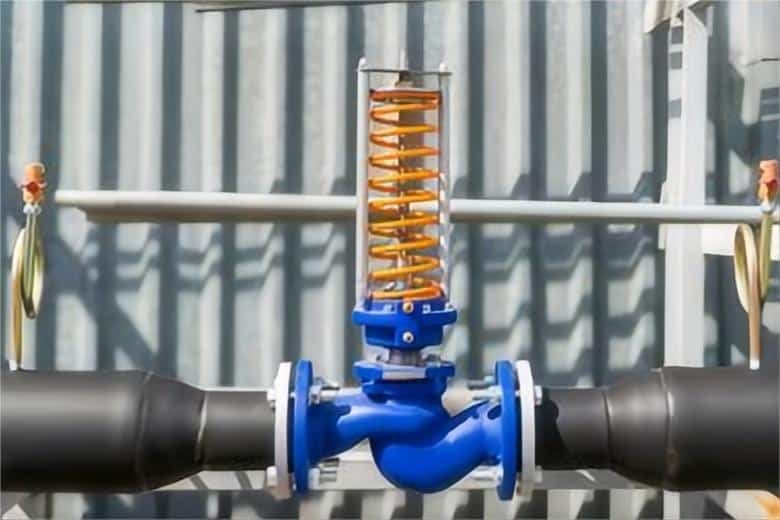
A PRV, or Pressure Relief Valve, is designed to release excess pressure from a system to prevent equipment damage and ensure safety.
Why is PRV orientation important?
Proper PRV orientation is essential to ensure the valve functions correctly, minimizing the risk of failure and maintaining system safety.
How often should PRVs be inspected?
PRVs should be inspected regularly as part of a routine maintenance schedule to ensure they are functioning correctly and efficiently.
This article contains affiliate links. We may earn a commission at no extra cost to you.