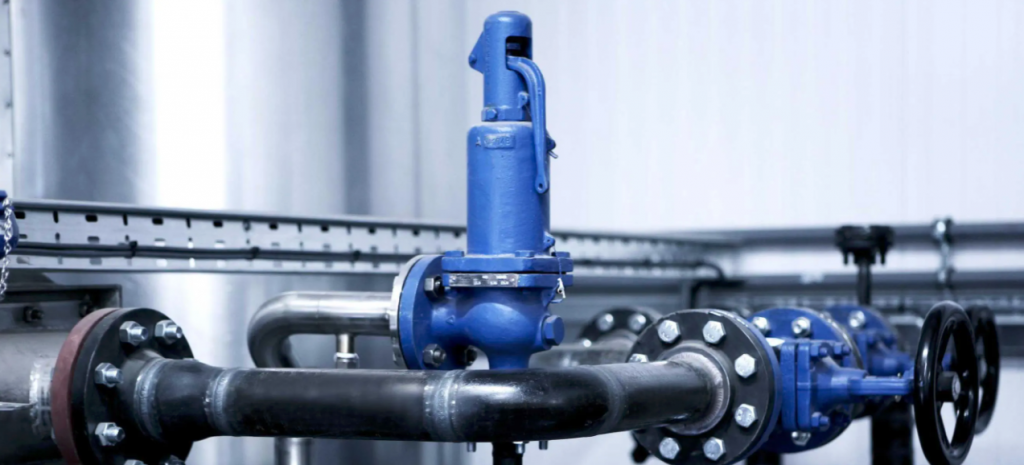

In the world of industrial engineering, ensuring the safety and efficiency of equipment is paramount. One crucial aspect of this is the testing of pressure relief valves. These valves are vital in maintaining system integrity by preventing excessive pressure build-up, which can lead to catastrophic failures. This article delves into the pressure relief valve testing procedures, a topic of great importance for industrial engineers and safety professionals.
Understanding Pressure Relief Valves
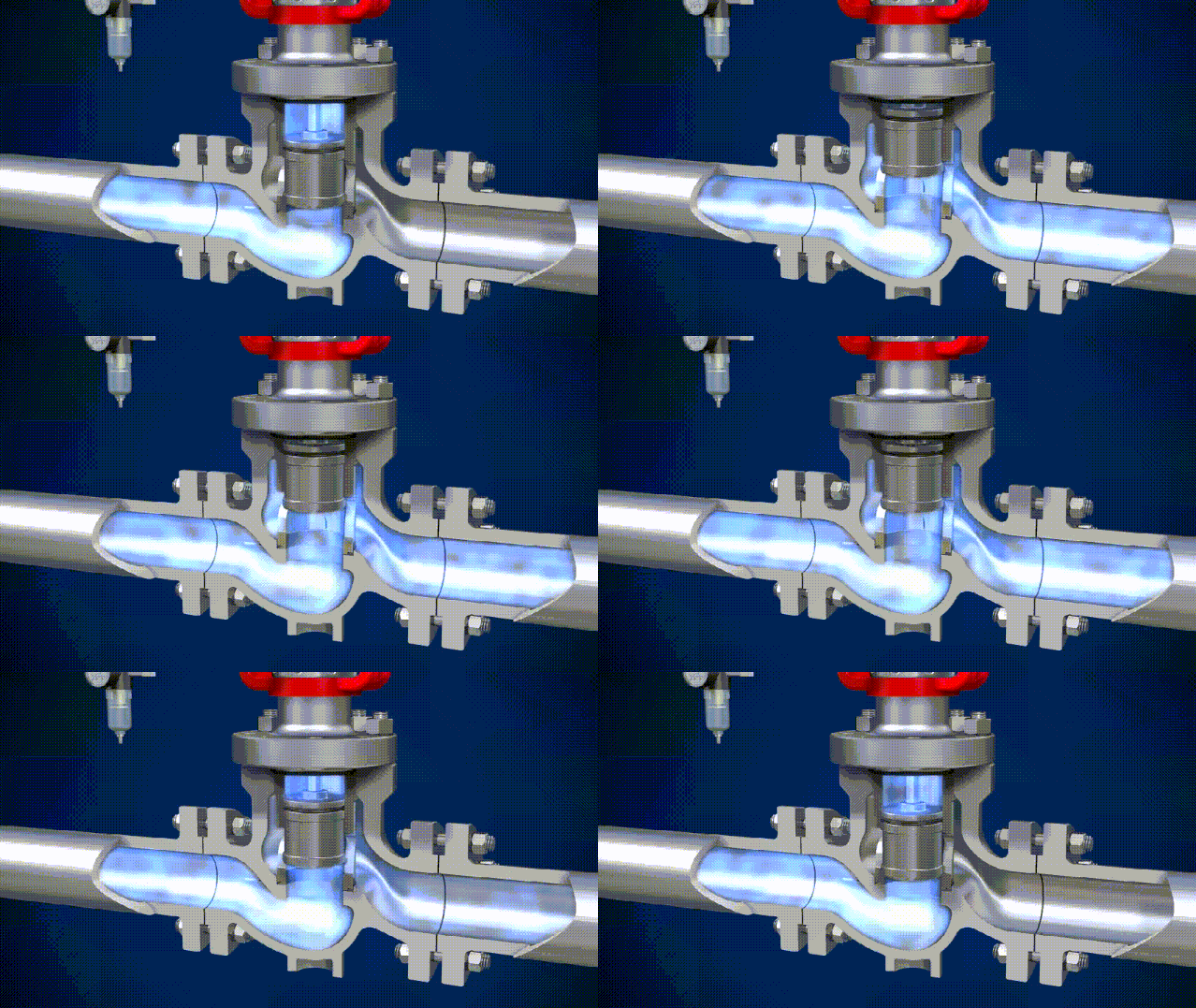
Pressure relief valves are designed to open at a predetermined set pressure to protect equipment and systems from exceeding their design limits. They are essential for maintaining operational safety and efficiency.
Types of Pressure Relief Valves
There are several types of pressure relief valves, including safety valves, relief valves, and safety relief valves. Each type plays a specific role in pressure management.
The Importance of Testing Procedures
Regular testing of pressure relief valves is crucial to ensure they function correctly when needed. This prevents potential hazards and system downtime.
Testing Frequency
The frequency of testing depends on the valve’s usage and the system’s operating conditions. Typically, annual testing is recommended, but more frequent testing may be necessary for high-pressure systems.
Preparation for Testing
Before conducting any pressure relief valve testing, it is essential to prepare adequately. This includes gathering the necessary tools and ensuring that the system is safely shut down.
Tools Required
Common tools needed for testing include pressure gauges, calibration equipment, and safety gear. Proper preparation ensures accurate and safe testing procedures.
Step-by-Step Testing Procedures
Conducting pressure relief valve testing involves several steps. These include inspecting the valve, setting up the test equipment, and recording results.
Inspection
Begin by visually inspecting the valve for any signs of wear or damage. Ensure that all components are in good condition before proceeding with the test.
Test Setup
Attach the necessary equipment, such as pressure gauges, to the valve. Ensure that the setup is secure and that all connections are tight.
Recording Results
During the test, carefully monitor and record the valve’s performance. This data is vital for assessing the valve’s condition and determining any necessary maintenance actions.
Common Testing Challenges
Testing pressure relief valves can present several challenges, including equipment malfunctions and environmental factors.
Equipment Issues
Ensure that all testing equipment is calibrated correctly and in good working order to avoid inaccurate results.
Environmental Factors
Consider environmental conditions, such as temperature and humidity, which can affect the valve’s performance during testing.
Ensuring Compliance and Safety
Adhering to industry standards and regulations is crucial during pressure relief valve testing. This ensures both compliance and safety.
Industry Standards
Familiarize yourself with relevant standards, such as those from the American Society of Mechanical Engineers (ASME), to ensure compliance during testing.
Maintaining Valve Integrity
Regular maintenance is essential for preserving the integrity of pressure relief valves. This includes cleaning, lubrication, and component replacement as needed.
Cleaning and Lubrication
Regularly clean and lubricate the valve components to prevent wear and ensure smooth operation.
Component Replacement
Replace worn or damaged components promptly to maintain the valve’s effectiveness and safety.
Case Studies and Real-World Applications
Examining real-world applications and case studies of pressure relief valve testing can provide valuable insights into best practices and potential pitfalls.
Success Stories
Learn from successful testing and maintenance programs implemented by leading industries to enhance your own practices.
The Future of Pressure Relief Valve Testing
Advancements in technology are shaping the future of pressure relief valve testing. Innovations such as remote monitoring and predictive maintenance are becoming increasingly prevalent.
Remote Monitoring
Remote monitoring technology allows for continuous oversight of valve performance, reducing the need for frequent manual testing.
Predictive Maintenance
Predictive maintenance uses data analytics to anticipate maintenance needs, minimizing downtime and maximizing efficiency.
Conclusion
In summary, pressure relief valve testing procedures are essential for ensuring the safety and efficiency of industrial systems. By adhering to best practices and embracing technological advancements, industrial engineers can safeguard their operations and prevent potential hazards.
FAQs
What is a pressure relief valve?
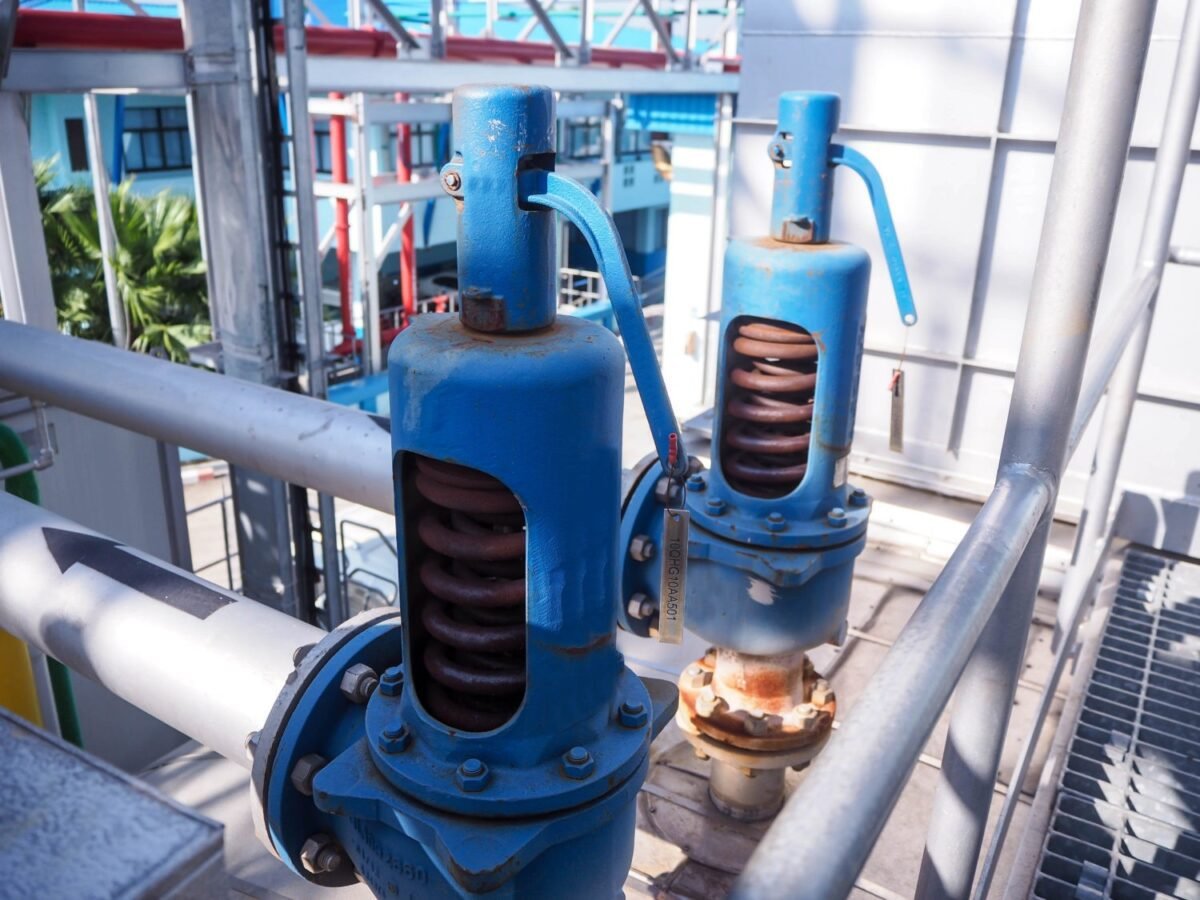
A pressure relief valve is a safety device designed to open at a predetermined pressure to prevent equipment damage and ensure system safety.
Why is regular testing important?
Regular testing ensures that pressure relief valves function correctly and safely, preventing potential system failures and hazards.
How often should pressure relief valves be tested?
The testing frequency depends on the system’s operating conditions, but annual testing is generally recommended for most applications.
This article contains affiliate links. We may earn a commission at no extra cost to you.