
Dealing with a plumbing leak in the bathroom can be a daunting challenge for many homeowners. Such leaks not only lead to wasted water but can also cause significant damage to your home if not addressed promptly. Understanding the causes of these leaks and knowing how to fix them can save time, money, and frustration. In this article, we’ll explore the common reasons behind bathroom plumbing leaks, offer practical solutions, and provide tips for preventing future occurrences.
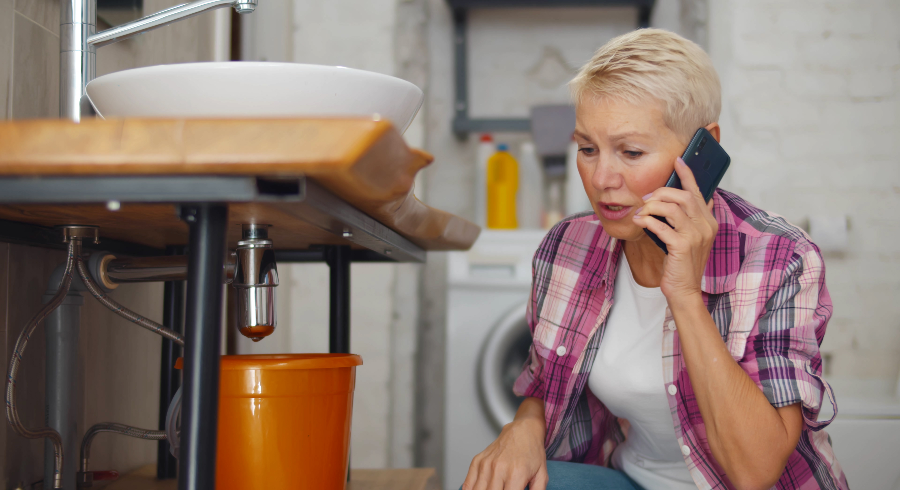
What Causes a Plumbing Leak in the Bathroom?
There are several potential causes behind a plumbing leak in the bathroom. Identifying the source of the leak is the first step in resolving the issue. Here are some common causes:
1. Damaged Seals and Washers
Over time, the seals and washers in faucets and pipes can wear out, leading to leaks. Regularly inspecting and replacing these components can prevent leaks from developing.
2. Corroded Pipes
Corrosion is a natural process that can affect plumbing pipes, especially in older homes. Corroded pipes can develop small holes or cracks, allowing water to escape.
3. High Water Pressure
Excessively high water pressure can strain your plumbing system, leading to leaks. Installing a pressure regulator can help maintain optimal water pressure and prevent leaks.
Identifying a Plumbing Leak in the Bathroom
Detecting a plumbing leak in the bathroom early can prevent costly repairs down the line. Here are some signs to look for:
1. Unexplained Increase in Water Bills
An unexpected spike in your water bill can indicate a hidden leak. Regularly monitoring your water usage can help catch leaks early.
2. Mold and Mildew
Mold growth is a common sign of a plumbing leak. If you notice mold or mildew in your bathroom, it could be due to excess moisture from a leak.
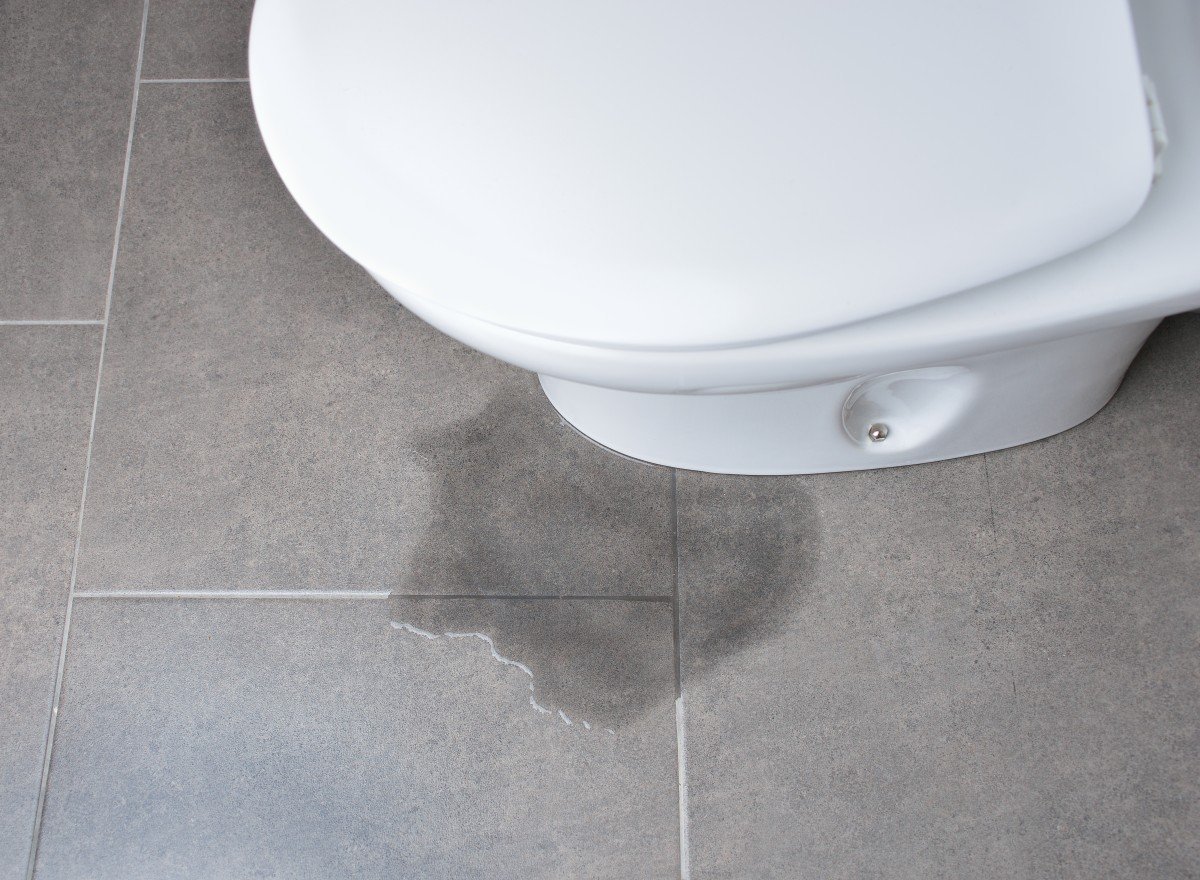
3. Water Stains
Water stains on walls, ceilings, or floors can indicate a leak. Inspect these areas regularly for any signs of water damage.
How to Fix a Plumbing Leak in the Bathroom
Once you’ve identified a leak, addressing it promptly is crucial. Here are some steps to take:
1. Turn Off the Water Supply
Before repairing a leak, turn off the water supply to prevent further damage.
2. Repair or Replace Damaged Components
Depending on the leak’s source, you may need to replace seals, washers, or even entire sections of pipe. For detailed guidance, check out this guide.
3. Seek Professional Help
If you’re unsure about fixing the leak yourself, it’s best to hire a professional plumber to ensure the job is done correctly.
Preventing Future Plumbing Leaks in the Bathroom
Preventing leaks is better than repairing them. Here are some tips to keep your bathroom leak-free:
1. Regular Inspections
Schedule regular inspections of your plumbing system to catch potential issues early.
2. Monitor Water Pressure
Keep an eye on your water pressure and adjust it as needed to prevent strain on your plumbing system.
3. Upgrade Old Plumbing
Consider upgrading old pipes and fixtures to modern, more durable materials.
Conclusion
Dealing with a plumbing leak in the bathroom can be frustrating, but understanding the causes and knowing how to address them can make the process smoother. By staying vigilant and proactive, you can prevent leaks from causing extensive damage to your home. For more information on handling bathroom leaks, visit this helpful resource.
FAQs
1. How can I tell if my bathroom leak is serious?
Signs of a serious leak include significant water damage, persistent mold growth, and a sudden increase in water bills. If you notice any of these signs, it’s best to contact a professional plumber immediately.
2. Can I fix a bathroom leak myself?
Some minor leaks can be fixed with basic tools and materials. However, if you’re unsure or the leak is extensive, it’s best to consult with a professional plumber.
3. What should I do if I suspect a hidden leak?
If you suspect a hidden leak, consult with a professional plumber to locate and address the issue. Early detection can prevent further damage and costly repairs.
This article contains affiliate links. We may earn a commission at no extra cost to you.